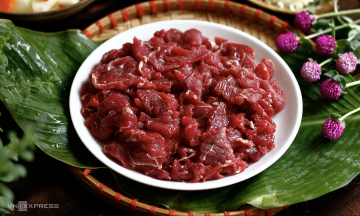
Beef is a common food, known for its rich flavor and high nutritional value. It provides high-quality protein and essential micronutrients. A 100 g serving of cooked lean beef contains approximately 217 kcal, 26 g of protein, and nearly 12 g of fat, with almost no carbohydrates.
The protein in beef is complete, containing all 9 essential amino acids crucial for muscle building and repair. This meat is also rich in vitamin B12, zinc, heme iron, selenium, and vitamin B6 – nutrients vital for the immune system, brain function, and blood formation. Beef can be a healthy diet component if consumed correctly. Adults can eat about 300-500 g of red meat per week (cooked weight).
Benefits of moderate consumption
Consuming beef in moderation offers several key benefits:
Beef supports muscle maintenance and growth.
Beef is a rich source of leucine, a branched-chain amino acid that activates muscle protein synthesis. For older adults, it helps prevent age-related muscle loss (sarcopenia), supporting mobility and independence. Beef also aids in muscle tissue recovery after intense workouts and effectively builds lean muscle.
Beef can improve exercise performance and reduce fatigue.
Beef contains precursors to carnosine, a compound that buffers acid in muscles during intense activity. Maintaining high carnosine levels through diet helps reduce muscle fatigue, allowing athletes to train longer and harder. Furthermore, the natural creatine in beef provides immediate energy for fast-twitch muscle fibers, supporting strength sports.
Beef helps prevent iron deficiency anemia.
Anemia is a common health condition causing fatigue and memory impairment. Due to its heme iron content – a type of iron the body absorbs many times more effectively than plant-based iron – beef contributes to maintaining stable hemoglobin levels. Consuming beef also enhances the absorption of iron from other foods when eaten together.
Important considerations
The nutritional value of beef varies by type and preparation method.
Lean, whole cuts of beef are lower in fat and more suitable for a healthy diet, whereas ground beef often contains more fat. Grass-fed beef is richer in omega-3 fatty acids and antioxidants, while grain-fed beef tends to be fattier and higher in omega-6.
Processed beef products and organ meats require careful consumption.
Processed products like sausages and cold cuts contain high levels of salt and preservatives and should not be consumed regularly. Organ meats are rich in vitamin B12 but also high in fat. Cooking beef at high temperatures can create harmful compounds, increasing the risk of cancers like colorectal cancer.
Beef contains purines, which can increase uric acid and trigger gout attacks.
Therefore, it is advisable to prioritize lean cuts, limit processed products, cook at moderate temperatures, and pair beef with green vegetables to maintain nutritional balance.
Bao Bao (According to Healthline)