No, a single meningococcal vaccine is not enough to provide comprehensive protection against all common strains of the disease. Meningococcal disease is an acute infectious illness caused by Neisseria meningitidis bacteria, which can lead to severe conditions such as pneumonia, otitis media, meningitis, and sepsis. Meningitis and sepsis are particularly dangerous, potentially causing death within 24 hours. The mortality rate can reach 50% without timely treatment. Even with intensive medical care, 15% of patients succumb to the disease, and 20% face serious complications like limb amputation, paralysis, deafness, blindness, or intellectual disability.
The Neisseria meningitidis bacterium has 13 serogroups capable of causing illness, with five being most prevalent: A, B, C, Y, and W-135. All five of these serogroups can cause severe disease and trigger outbreaks. The pathogen spreads through respiratory droplets via close contact with infected individuals, or indirectly by touching contaminated surfaces and then touching one's eyes, nose, or mouth.
Given the variety of dangerous serogroups, it is essential to combine different vaccines to protect against all five common meningococcal serogroups. Relying solely on a vaccine for group B leaves individuals vulnerable to infection from the other prevalent groups: A, C, Y, and W.
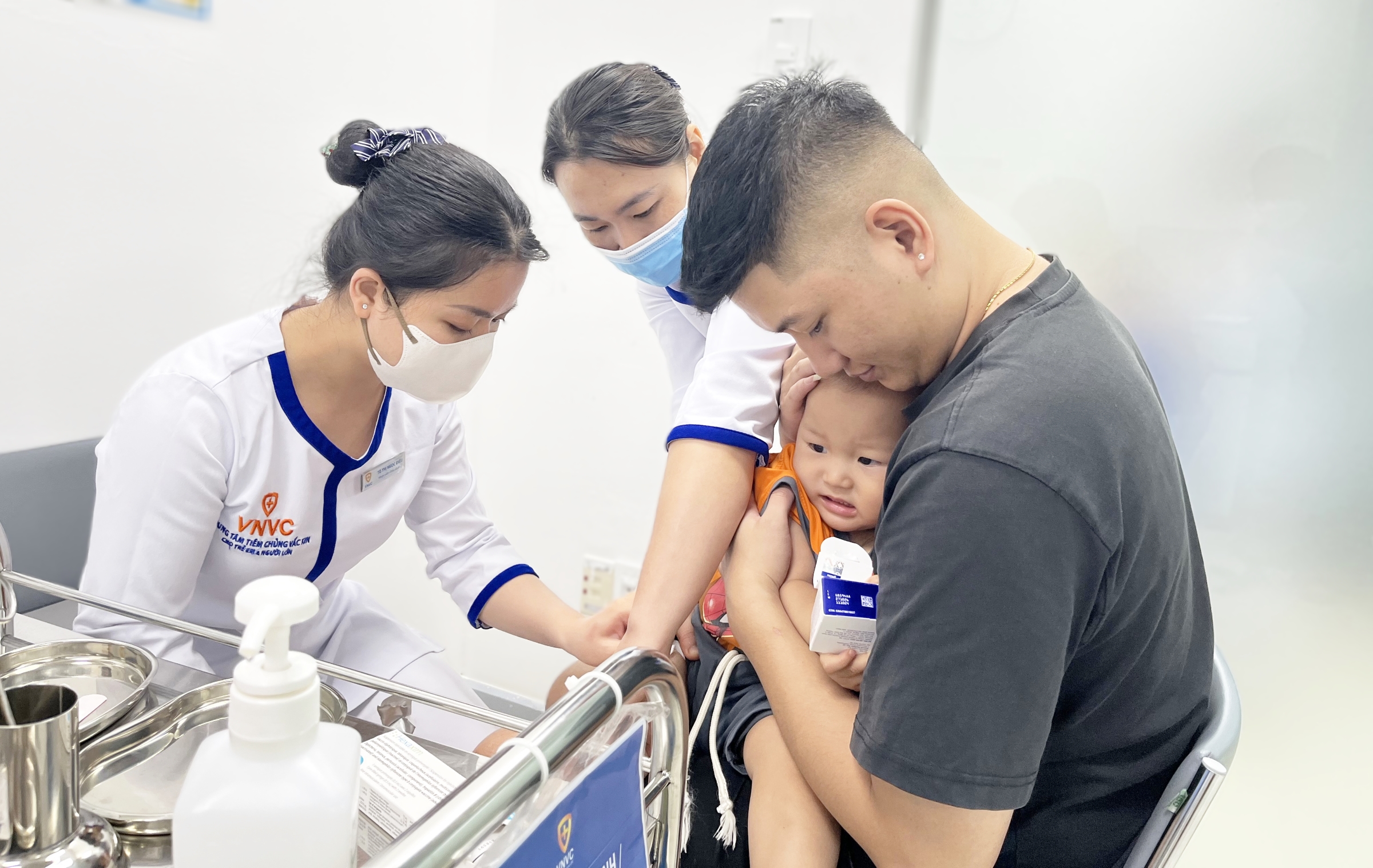 |
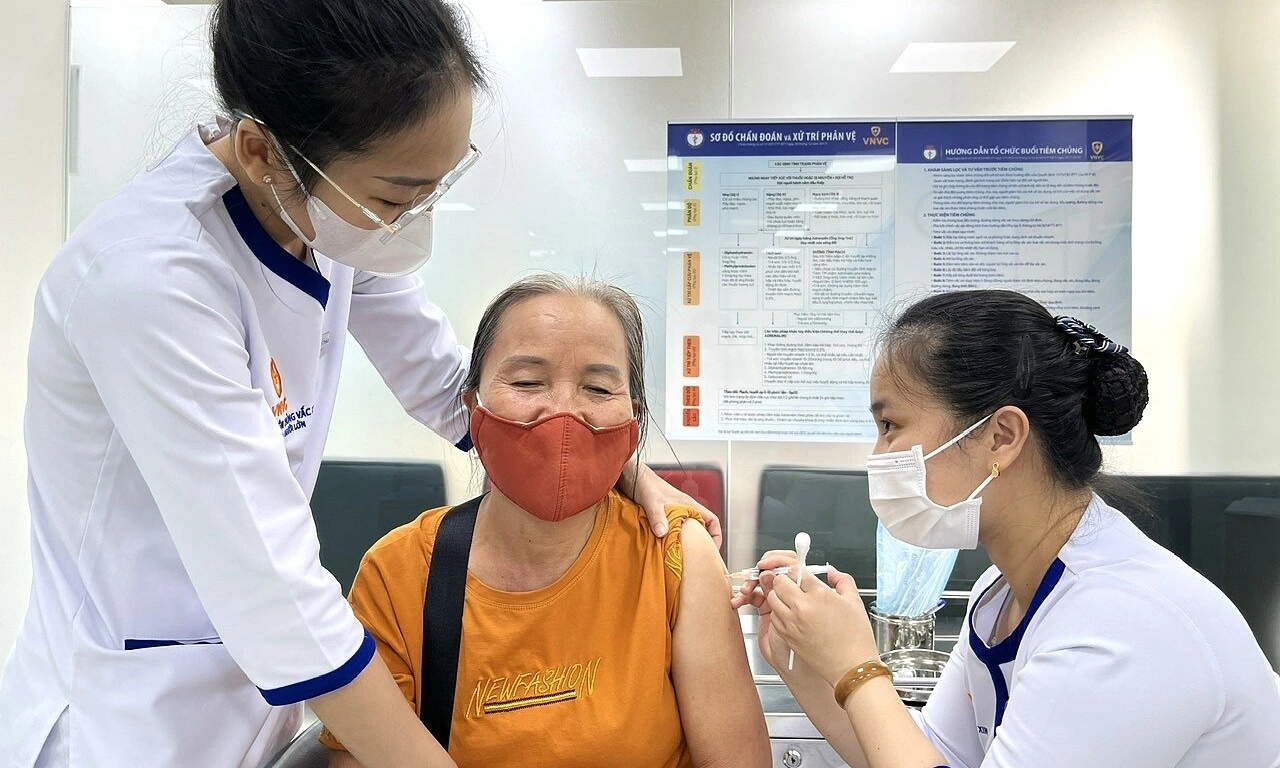
Children receive meningococcal A, C, Y, W vaccines at VNVC Long Thanh My, TP HCM. Photo: Dieu Thuan
For individuals who have received the new generation group B vaccine (Bexsero, Italy), additional vaccination against groups A, C, Y, W is recommended. Options include: Menquadfi (US) and Nimenrix (Belgium), which can be administered from 6 weeks of age with no upper age limit for adults; and Menactra (US), suitable for those from 9 months to 55 years of age.
Beyond vaccination, general preventive measures are crucial for you and your family. Maintain a clean living environment, wash hands frequently with soap, and gargle with antiseptic solutions. A balanced diet, sufficient sleep, avoiding late nights, and regular exercise are also important to boost overall immunity.
With Vietnam currently experiencing an increase in meningococcal cases among both children and adults, proactive disease prevention through vaccination is strongly advised. Furthermore, it is important to immediately report any suspicious symptoms, such as cough, fever, or purpura, to healthcare authorities.
To further safeguard health, individuals should also ensure they are up-to-date on other recommended vaccines, including those for flu, pertussis, measles, chickenpox, pneumococcal disease, and RSV. Preventing these illnesses helps maintain a robust immune system, reducing the likelihood of meningococcal bacteria in the throat causing disease.
Doctor Tran Huynh Tan
Medical Manager, VNVC Vaccination System
Readers can submit vaccine consultation questions to the doctor here.