Answer:
Varicose veins in the lower limbs occur when venous valves malfunction, preventing blood from returning to the heart normally. This leads to blood pooling in the veins, particularly in the lower limbs. Patients experience symptoms such as leg heaviness, aching, mild swelling, visible veins under the skin, skin discoloration, phlebitis, skin ulcers, and blood clot formation.
In its early stages, the condition can be managed with conservative treatments, including wearing medical compression stockings, engaging in regular physical activity, avoiding prolonged standing or sitting, and elevating the legs while resting. Certain venotonic medications may also be prescribed to alleviate symptoms.
If conservative treatments do not effectively control symptoms, or if the disease progresses, doctors may consider minimally invasive interventions to close the affected vein segment. Current common techniques include: endovenous laser ablation, radiofrequency ablation, sclerotherapy, and medical adhesive injection.
For medical adhesive injection, doctors use a medical-grade adhesive, introduced into the vein to seal off the diseased segment, redirecting blood flow to healthy veins. The procedure typically lasts about 20-40 minutes, depending on the extent of damage and the number of veins requiring treatment. Doctors administer local anesthesia only at the needle insertion site for catheter placement; patients remain conscious, experiencing only a mild tingling sensation, without pain.
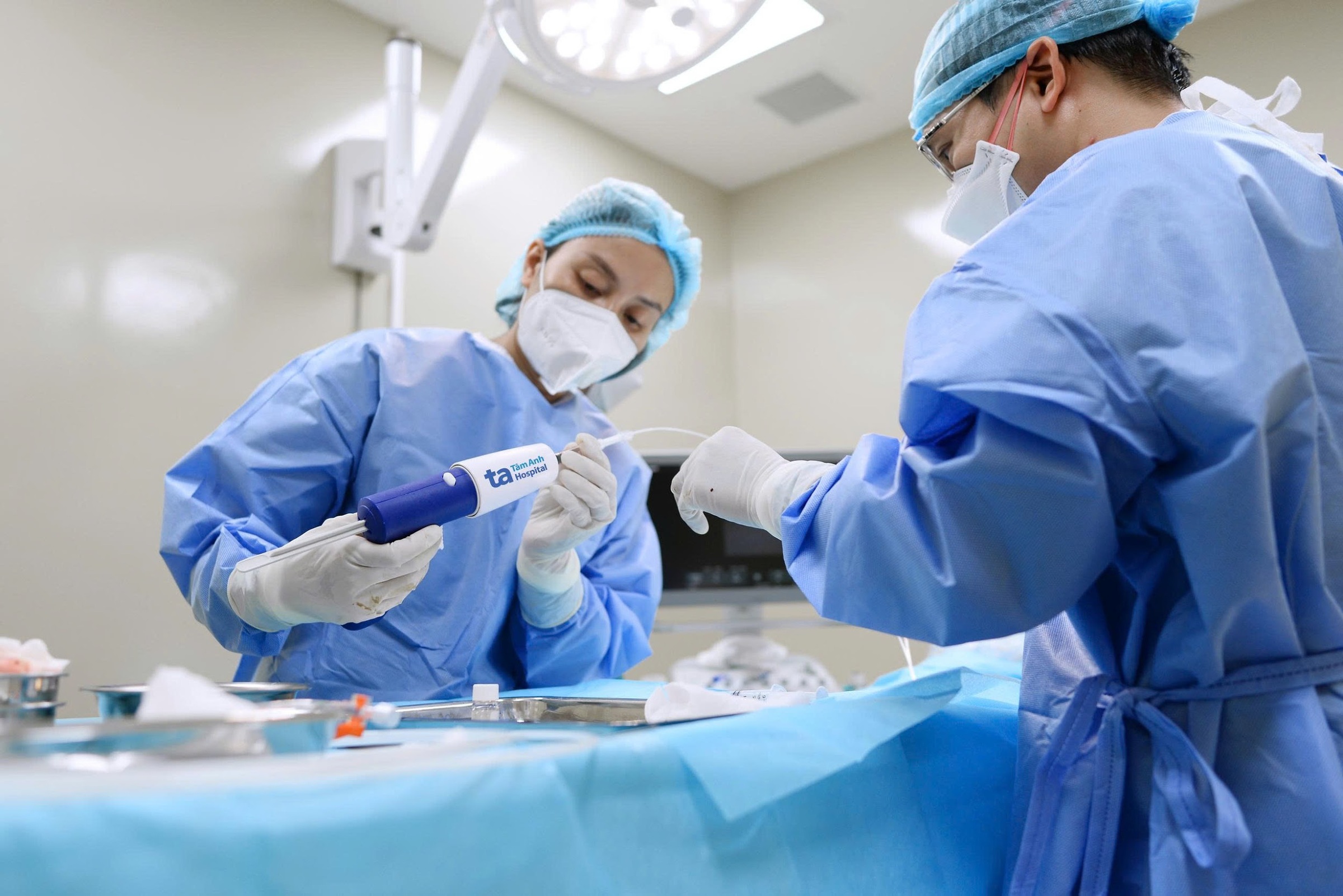 |
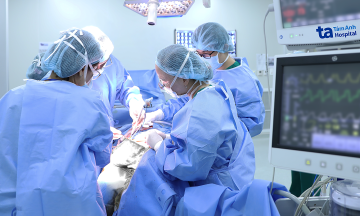
A doctor performs a medical adhesive injection procedure to treat varicose veins. Photo: Tam Anh General Hospital |
After the intervention, patients can stand and walk gently. Some may experience mild tightness along the treated vein or slight bruising at the needle insertion site. These symptoms typically resolve completely within a few days. Patients should avoid strenuous activity or prolonged standing. Gentle walking is encouraged to promote good blood circulation. Patients also need to attend follow-up appointments as scheduled by their doctor. If unusual symptoms such as fever, chest pain, shortness of breath, or severe swelling and pain in the treated leg occur, patients should contact their doctor immediately.
Medical adhesive injection effectively treats venous insufficiency, improving symptoms and preventing complications. However, this method does not entirely eliminate the risk of new varicose veins forming. Patients must maintain a healthy weight, exercise regularly, limit prolonged standing or sitting, and attend regular follow-up appointments for doctors to monitor treatment effectiveness.
Dr. Nguyen Thu Trang
Deputy Head of Cardiology Department
Tam Anh Cau Giay General Clinic
| Readers can submit cardiology questions here for a doctor's response. |