Associate Professor, Doctor Nguyen Anh Tuan, former Deputy Head of Digestive Surgery at Military Central Hospital 108, states that selecting protein-rich and low-fat foods is crucial for maintaining health, reducing fat, or building muscle. Protein-rich foods not only promote satiety but also boost metabolism, preserve muscle, and effectively aid fat reduction. Combining these with low-fat options allows for reduced calorie intake while ensuring adequate nutrition.
Protein takes longer to digest than carbohydrates and fats, leading to prolonged satiety and reduced cravings. The body expends more energy to digest protein, thereby boosting metabolism and burning more calories. During weight loss, adequate protein intake is vital to prevent muscle loss. Furthermore, protein-rich foods generally contain fewer calories than those high in carbohydrates or fats.
Here are some effective food choices for fat reduction and muscle building:
Lean meats
- Chicken breast: Rich in protein and virtually fat-free when the skin is removed.
- Lean beef: Provides high-quality protein and minerals like iron, zinc.
- Lean pork: Loin cuts are low in fat, rich in protein, suitable for weight loss.
Seafood
- Salmon: Rich in protein and omega-3, but consume in moderation due to its higher fat content compared to other fish.
- White fish (cod, flounder): Low in fat, rich in protein.
- Shrimp, squid: Low in calories, rich in protein and minerals.
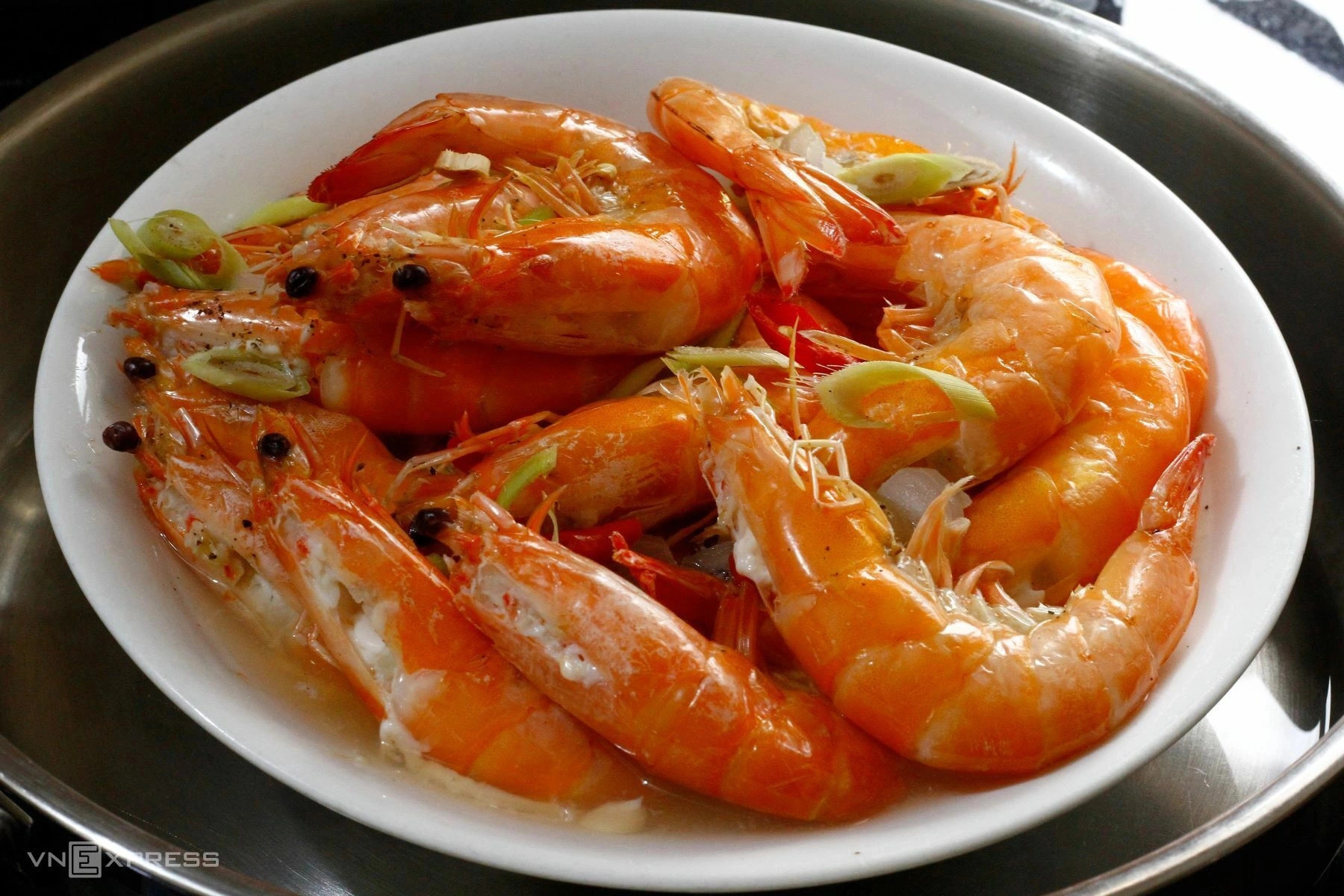 |
Shrimp are low in calories, rich in protein and minerals. *Photo: Bui Thuy* |
Eggs
- Egg whites: Almost entirely protein, low in fat, and cholesterol-free.
- Whole eggs: Provide complete protein and healthy fats, but consume in moderation if managing calorie intake.
Dairy and dairy products
- Unsweetened, low-fat milk: Rich in protein, calcium, and lower in calories than whole milk.
- Unsweetened Greek yogurt: Low in fat, rich in protein and probiotics, beneficial for digestive health.
- Cottage cheese: High in protein and low in fat, an ideal snack choice.
Legumes and nuts
- Tofu and tempeh: Excellent plant-based protein sources, low in fat.
- Lentils, chickpeas: Rich in protein and fiber, promoting satiety.
- Chia seeds, flax seeds: While containing fats, these are healthy fats and complement a weight loss diet.
Whole grains
- Quinoa: A complete plant-based protein source and rich in fiber.
- Oats: Not only contain protein but also help control blood sugar.
Protein supplements
- Whey protein powder: Suitable for busy individuals, easily prepared as a low-calorie, high-protein snack.
The doctor advises prioritizing protein in every meal: Start meals with protein-rich dishes to curb cravings for high-carbohydrate and high-fat foods. Combine protein with green vegetables and fiber to reduce hunger and aid digestion. Limit unhealthy fats by avoiding frying protein-rich foods. Instead, opt for healthy cooking methods such as grilling, steaming, or boiling. Divide meals into 4-5 small portions daily, incorporating protein-rich foods to maintain energy and better control calorie intake.
A cautionary note: Do not overconsume protein, as excessive intake can strain the kidneys, especially for individuals with a history of kidney disease. Beyond protein, the body requires sufficient healthy fats, complex carbohydrates, vitamins, and minerals for overall health. Crucially, even with a protein-rich diet, fat reduction ultimately depends on consuming fewer calories than expended.
Thuy Quynh