Manh decided to lose weight when he weighed 95 kg, experiencing fatigue, rapid heart rate, and poor sleep quality. He adopted two weight loss diets: Paleo (primitive eating) and LCHF (low carbohydrate, high fat), both popular among some athletes. These diets primarily restrict carbohydrates and sugar, without setting specific limits on protein or fat intake.
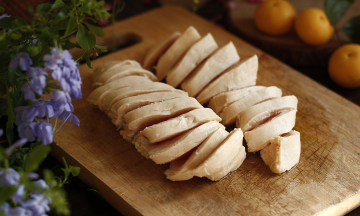
For over 4 months, he completely eliminated rice, vermicelli, noodles, and pho from his diet, mainly consuming chicken breast, eggs, fish, vegetables, and milk. He lost 5 kg in the first two months, but by the third month, his weight exceeded his initial measurement.
Upon examination at Tam Anh General Hospital in Ho Chi Minh City, Manh weighed 103 kg, stood 1,7 m tall, and had a body mass index (BMI) of 35,6. Doctor of Clinical Specialty II Truong Thi Vanh Khuyen, from the Department of Endocrinology and Diabetes, stated that Manh had degree two obesity, with visceral fat 2,5 times higher than the safe threshold. He also suffered from pre-diabetes, elevated liver enzymes, dyslipidemia, and degree three fatty liver disease.
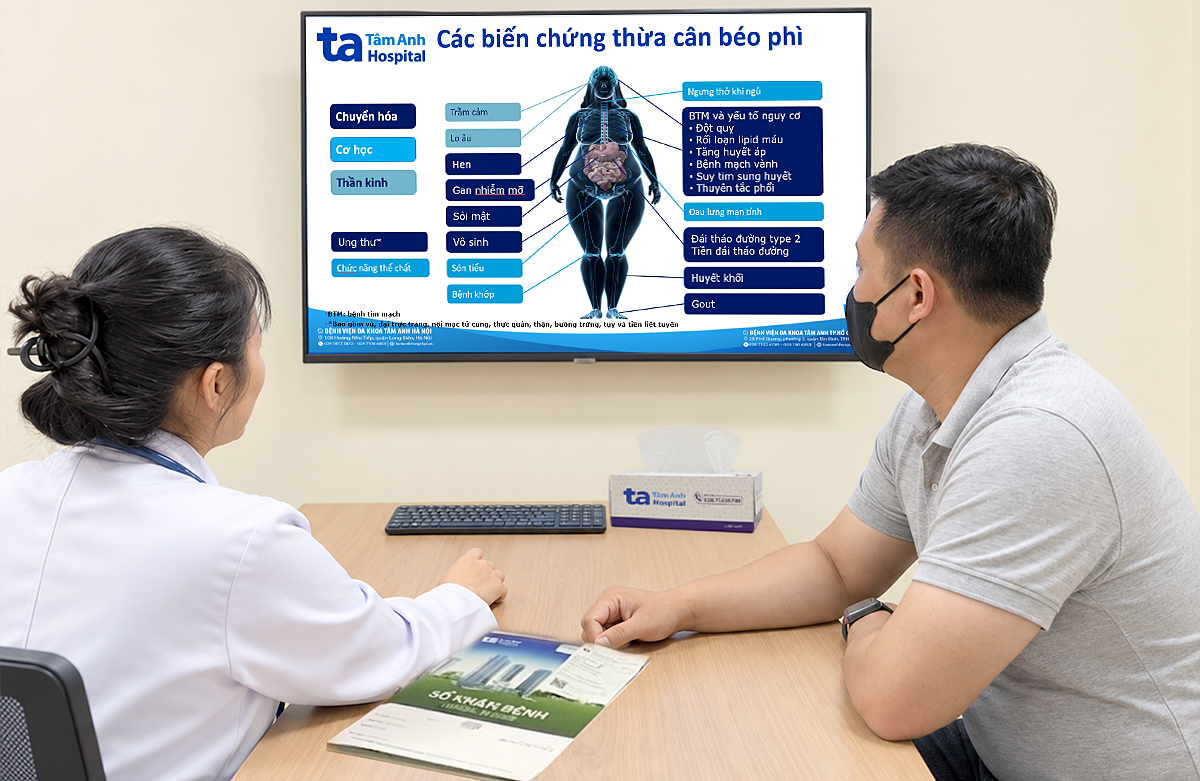 |
Doctor Khuyen explained the complications of overweight and obesity to Manh. Photo: Tam Anh General Hospital
According to Doctor Khuyen, diets that restrict carbohydrates and sugar can lead to rapid initial weight loss, primarily due to water loss rather than fat reduction. Excessive restriction can cause hunger, fatigue, and affect metabolism. When normal eating resumes, weight can quickly rebound. Moreover, consuming large amounts of protein and fat to compensate for reduced carbohydrates can still lead to excess energy and fat accumulation. The brain requires glucose to function, and severe carbohydrate restriction can cause headaches, dizziness, fatigue, and difficulty concentrating.
Nutrition experts advised Manh to adjust his diet for balance and change the eating order, prioritizing vegetables first, followed by meat and fish, and finally carbohydrates. Based on his specific work and habits, Manh was recommended to use the "half-plate" rule for each meal: half the portion should be vegetables or salad, and the other half should consist of protein and carbohydrates.
With the support of medication to reduce appetite and promote satiety, combined with 15-20 minutes of cardio exercises daily, Manh lost 14 kg in three months without experiencing the previous weakness, muscle loss, or fatigue. His dyslipidemia and fatty liver disease improved from degree three to degree one, and his waist circumference decreased by 15 cm. His goal is to reach 75 kg.
Duc Hanh
*Patient's name has been changed
| Readers can send questions about endocrine diseases here for a doctor's response |