Sweet potatoes offer starch, fiber, vitamins A and C, potassium, and many antioxidant compounds. Proper preparation and strategic food combinations can yield numerous health benefits.
Prioritize steamed or boiled sweet potatoes
According to Health, steaming and boiling are two preparation methods that preserve most of the nutrients in sweet potatoes. This root vegetable contains vitamin C and several water-soluble vitamins, which can be lost when cooked at high temperatures or for extended periods. In contrast, fried sweet potatoes often absorb much oil, increasing the dish's fat content and calories.
Eating steamed or boiled sweet potatoes also slows down starch digestion, promoting satiety and supporting gut health.
Replace some starch in main meals
Sweet potatoes provide starch, so you can eat them to replace some rice, vermicelli, or noodles in your meals. For example, if you eat one medium-sized sweet potato, you can reduce the amount of rice in your meal. This approach diversifies your diet, increases fiber and vitamin intake, and does not increase your total starch consumption.
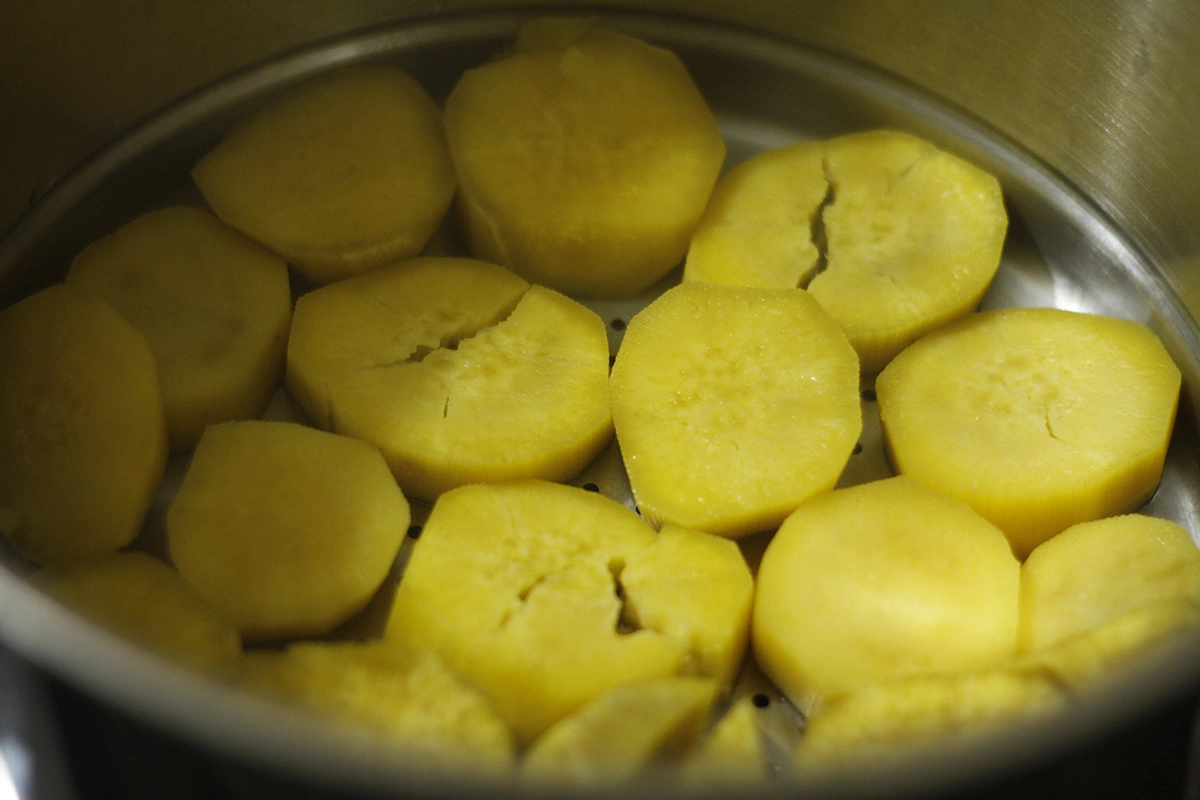 |
Boiling and steaming sweet potatoes retain many nutrients. *Photo: Bui Thuy*
Combine with protein-rich foods
According to Times of India, sweet potatoes are rich in starch and fiber, making them suitable for combining with protein-rich foods for a balanced meal. Individuals can eat eggs, fish, lean meat, poultry, tofu, or legumes alongside this root vegetable.
For instance, a breakfast consisting of boiled sweet potatoes, eggs, and some green vegetables helps supplement carbohydrates, protein, fiber, vitamins, and minerals. For main meals, sweet potatoes can replace some rice, combined with fish or lean meat and vegetables. For those aiming for weight management, this eating method increases dietary fiber and provides energy for the body.
Combining sweet potatoes with protein also slows down carbohydrate digestion and absorption, thereby limiting rapid blood sugar spikes after meals. High blood sugar levels can contribute to damage to blood vessels, nerves, eyes, kidneys, and the heart.
Eat the skin when sweet potatoes are clean
Sweet potato skin also contains fiber and antioxidant compounds. If the sweet potato is clean and undamaged, you can wash it thoroughly, prepare it, and eat the skin to gain these additional nutrients. Avoid eating sprouted, moldy, or odd-smelling sweet potatoes. Sweet potatoes stored for too long in humid conditions can spoil, reducing their quality and food safety.
Le Nguyen (Compiled)
| Readers can ask nutrition questions here for doctors to answer. |