A recent scandal in China has stirred public concern after a video by blogger Yu Lie Qi Ge exposed merchants in Kangbao county, Zhangjiakou city, Hebei province, using industrial chemicals to preserve Chinese cabbage for transport.
According to Dr. Yen Tsung-hai, Director of the Clinical Toxicology Center at Chang Gung Memorial Hospital in Linkou, New Taipei City, Taiwan, concerns about produce being sprayed or soaked with preservatives are long-standing. He noted that renowned toxicologist Lin Chieh-liang had also warned about this issue years ago. However, Dr. Yen clarified that some vegetables naturally have a longer shelf life due to low water content, sealed packaging, and ideal storage conditions, not necessarily due to chemical treatment.
Despite some natural preservation methods, Dr. Yen emphasized that fresh foods like bok choy and Chinese cabbage must not contain any food additives. He stated that using formaldehyde to extend shelf life is an illegal and wrongful practice.
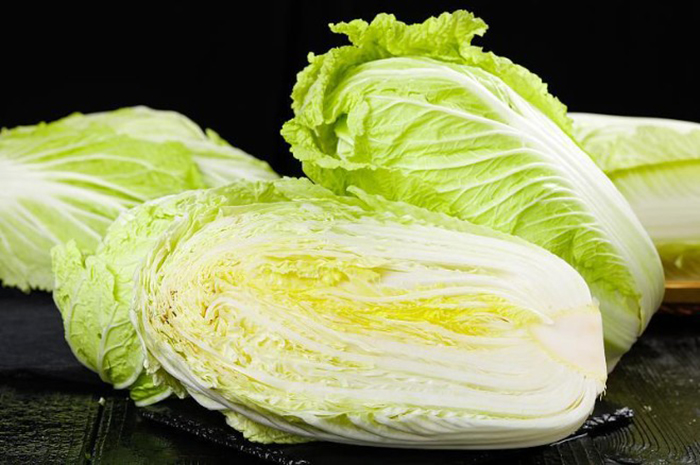 |
Illustration: CNR
Formaldehyde, classified as a Group one carcinogen, is commonly known in its aqueous solution as formalin. This chemical not only causes severe irritation but, if accidentally ingested, can lead to gastrointestinal discomfort, nausea, vomiting, and abdominal pain. Prolonged exposure also increases the risk of nasopharyngeal cancer and leukemia. While high concentrations of formaldehyde emit a strong, pungent odor, low concentrations are very difficult for consumers to detect visually or by smell.
To proactively protect their health when selecting vegetables, consumers should be aware of several basic identification signs:
- **Smell:** Naturally fresh vegetables typically have a faint earthy scent. Avoid purchasing any that emit an unusually strong or pungent odor.
- **Root appearance:** A natural cut on a vegetable's root will oxidize and turn yellow over time. If the root appears unusually white and smooth, consumers should be highly cautious.
- **External appearance:** Do not choose vegetables with perfectly pristine outer leaves if the inner parts are soft, mushy, or damaged.
- **Washing process:** When preparing vegetables, separate each leaf and rinse it directly under running water to effectively remove any residual chemicals adhering to the surface.
For water-soluble preservatives, consumers can soak produce in water for about 40 minutes before cooking to allow chemicals to leach out, then discard the soaking water. When cooking, keep the lid open to allow volatile substances to escape, and limit the consumption of broth to minimize chemical intake.
However, Dr. Yen warned that formaldehyde and similar chemicals are prohibited additives, meaning regular washing may not be sufficient for complete health protection. Since prohibited chemicals should not be present in fresh foods, consumers should avoid purchasing any produce they suspect might be contaminated.
The public should prioritize buying from reputable retail systems and exercise caution with unpackaged food, items with unclear labels, or unsubstantiated claims of being preservative-free. Vulnerable groups, such as children, pregnant women, and individuals with liver conditions, need to strictly control their intake of preservatives. They should also prioritize products that use natural preservatives like protamine sulfate, lysozyme, or lactic acid bacteria.
Dr. Yen emphasized that there is currently no specific antidote for formaldehyde in the human body. While the body can naturally excrete some of it through the respiratory and renal systems, actively preventing its entry remains crucial. If accidental ingestion is suspected, individuals should drink plenty of water to support metabolism and kidney excretion. Prioritizing seasonal produce with clear origins, combined with oversight from regulatory agencies, will help consumers effectively avoid risks from prohibited chemicals and carcinogens.
Despite these concerns, Dr. Yen reassured the public not to panic, but rather to equip themselves with the correct skills for selecting and safely handling food.
By Binh Minh (Source: Health 2.0/TVBS)