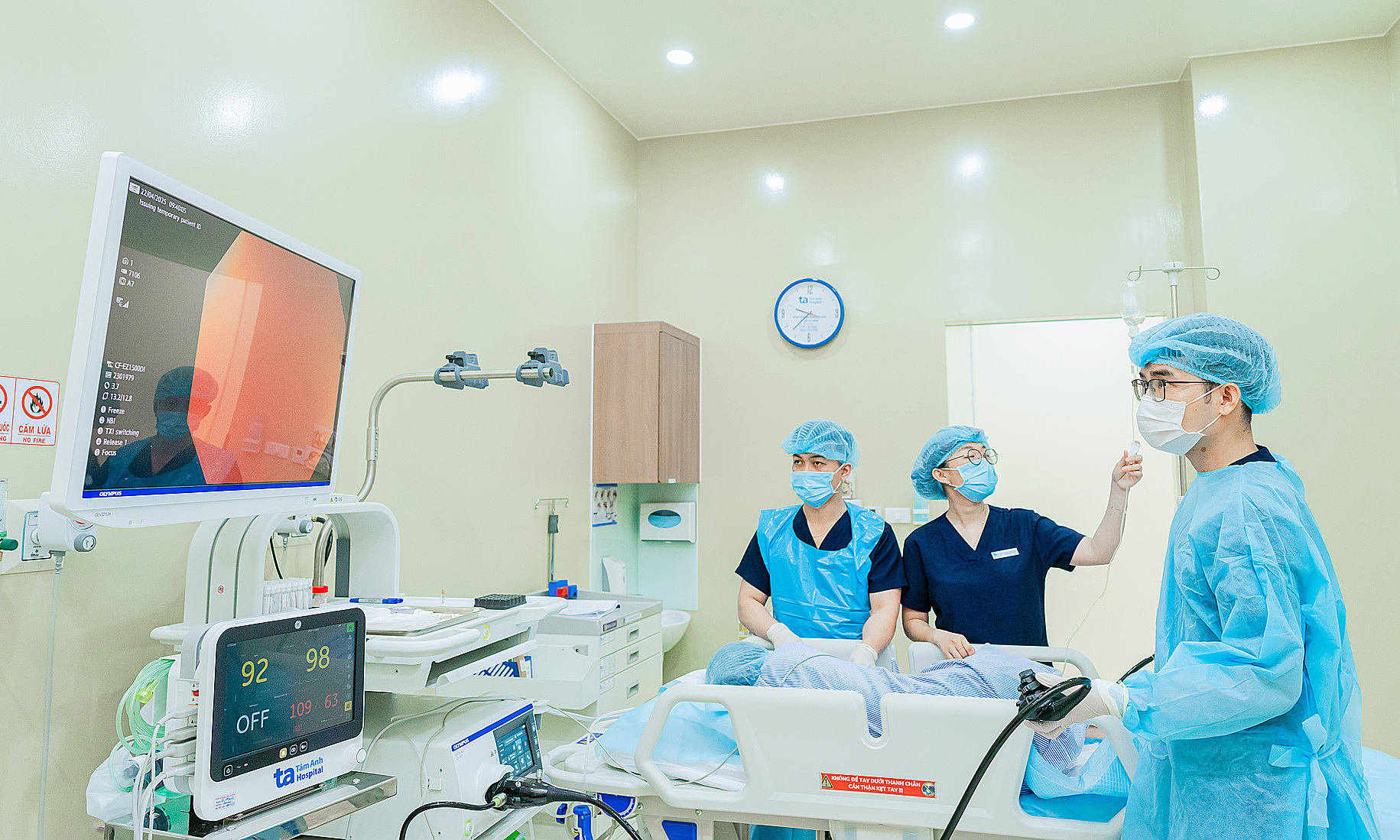
Mr. Luan, weighing 90 kg, suffered from chronic cholecystitis for many years, experiencing frequent pain in his right upper abdomen. Recently, severe pain radiated to his epigastrium, causing heartburn. He sought examination at Tam Anh Cau Giay General Clinic. Endoscopy revealed a protruding mass in his stomach, with edema, ulcers, and white pus discharge. Abdominal ultrasound, CT, and MRI scans showed numerous gallstones in his gallbladder, with cloudy, sludge-like fluid mixed with pus.
Associate Professor, Doctor Trieu Trieu Duong, Head of the Surgery Department, explained that a trapped gallstone in Mr. Luan's gallbladder neck caused infiltration, leading to the gallbladder adhering tightly to the stomach wall. This created a long-standing fistula, posing a risk of necrosis to both organs.
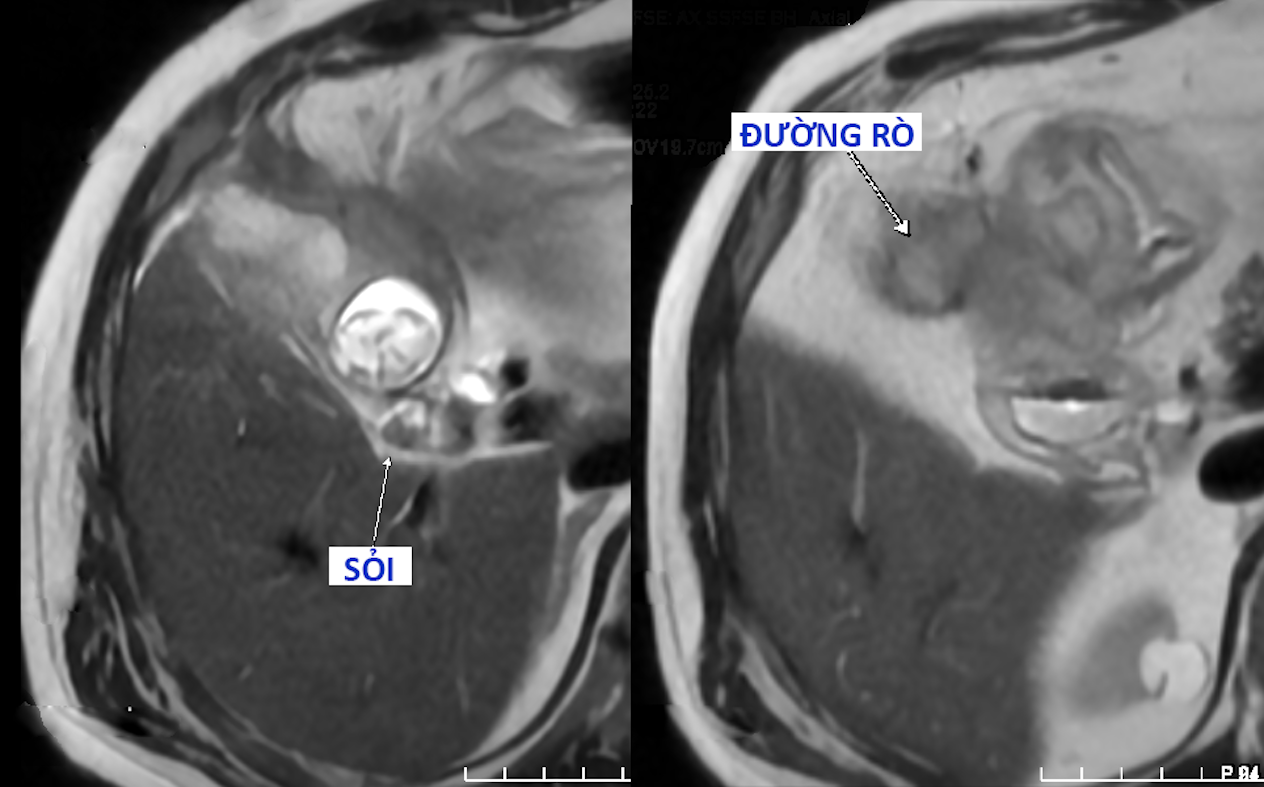 |
Gallstones and gastric fistula shown on Mr. Luan's MRI scan. *Photo: Tam Anh General Hospital* |
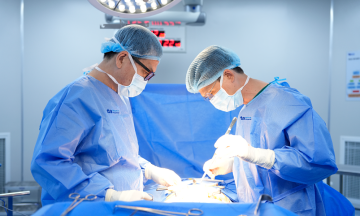
The surgical team performed laparoscopic abdominal surgery, observing a large inflammatory mass in the right upper abdomen. This mass involved the gallbladder, colon, and stomach, all adhered together, with a fistula discharging white pus from the gallbladder into the stomach. The stomach wall was inflamed, ulcerated, and necrotic, with the wall thickening to 2 cm at the fistula site. The patient underwent cholecystectomy, and immediate biopsy found no cancer cells.
According to Associate Professor Duong, despite being benign, Mr. Luan's entire gastric antrum was inflamed and fibrotic, with a wall thickness of 1,5-2 cm, making it unsalvageable. The team decided to perform a laparoscopic antrectomy, connecting the remaining stomach to the small intestine to restore digestive function.
Post-surgery, the patient recovered steadily. He could sit up and move on the first day, had his gastric tube removed, resumed oral intake from the third day, and was discharged after 7 days.
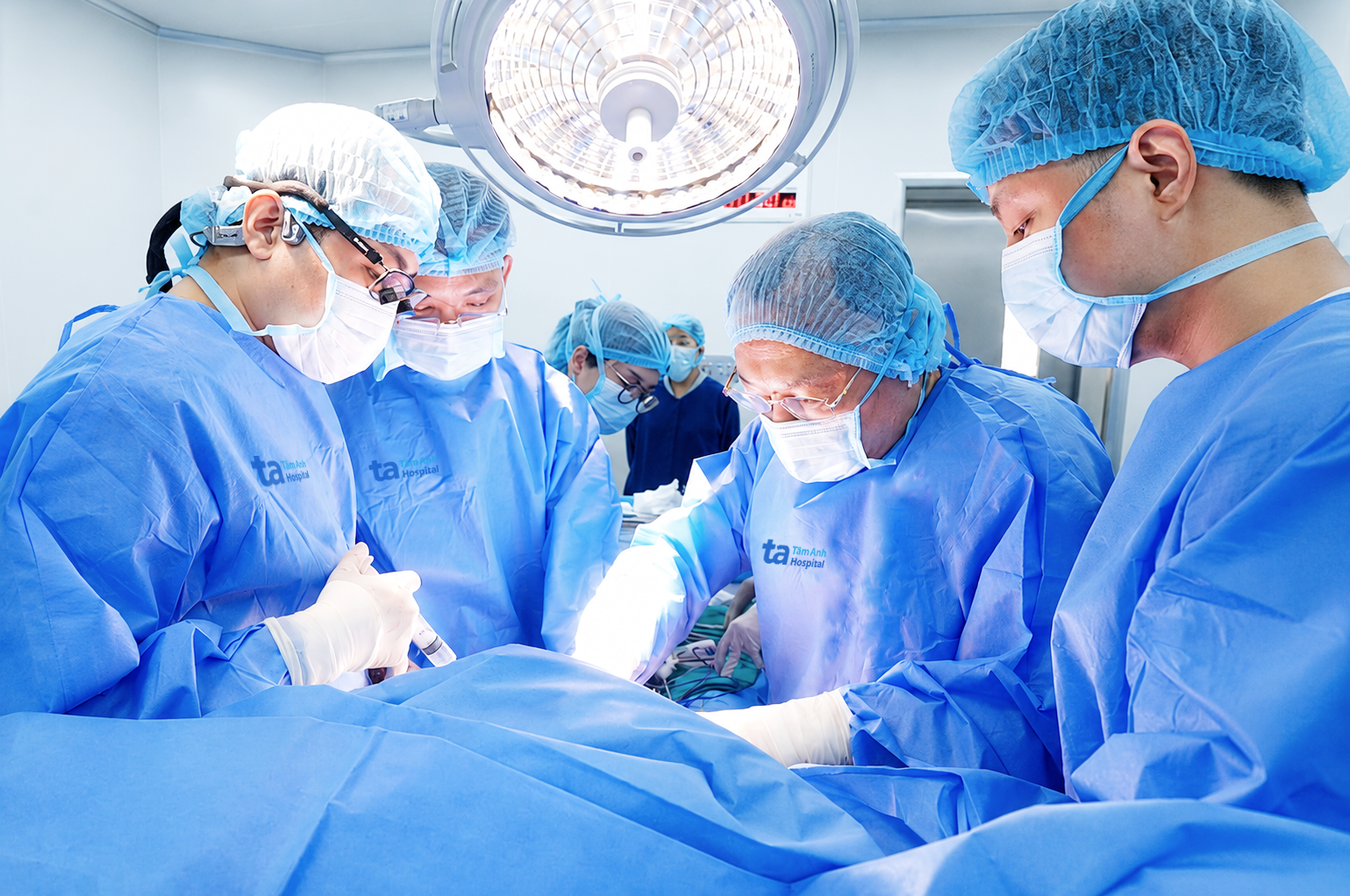 |
Associate Professor Duong (third from left) with the surgical team operating on Mr. Luan. *Photo: Hospital provided* |
Associate Professor Duong stated that after cholecystectomy, bile flows directly from the liver into the intestine, no longer concentrating in the gallbladder, thus lowering the risk of gallstone recurrence. However, given Mr. Luan's obesity and excess cholesterol, he remains at risk for developing stones in the common bile duct or intrahepatic bile ducts. Obesity also elevates the risk of many other health issues, including cardiovascular disease, diabetes, musculoskeletal disorders, and cancer.
Mr. Luan underwent partial gastrectomy, which reduced his stomach's capacity, leading to earlier satiety. This facilitates portion control and weight management. After full surgical recovery, he was scheduled for follow-up appointments to continue personalized obesity treatment. The aim is to reduce excess fat, maintain and strengthen muscle mass, prevent metabolic disorders, and avoid recurrent gallstones.
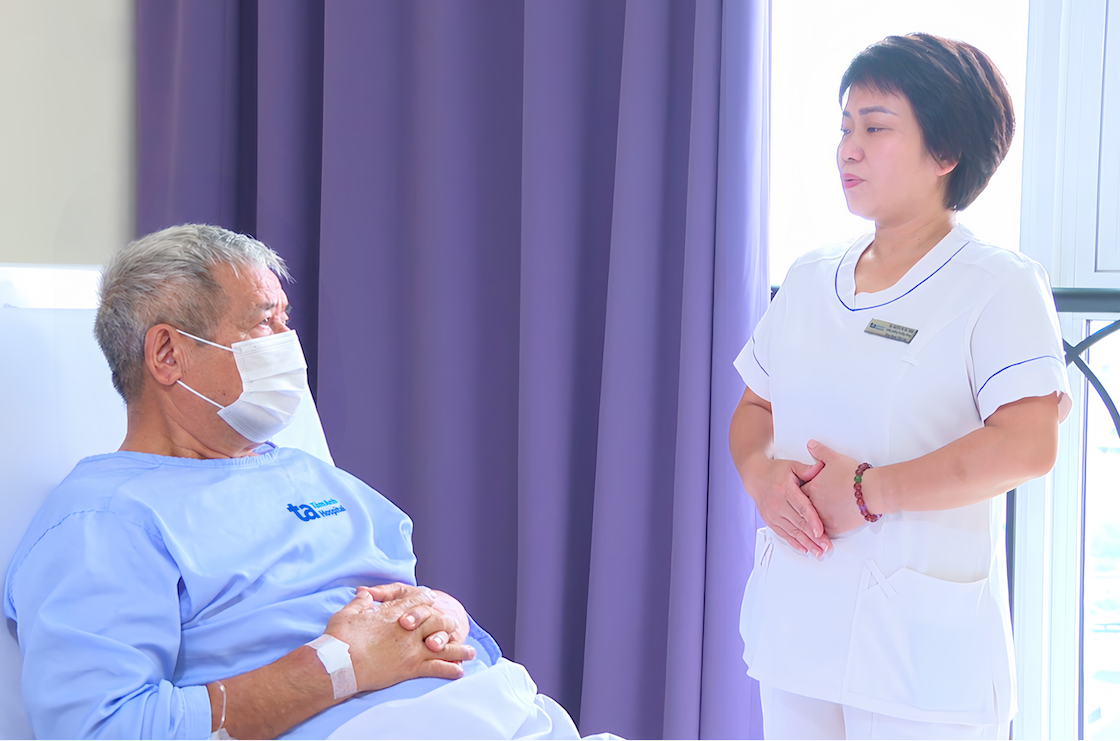 |
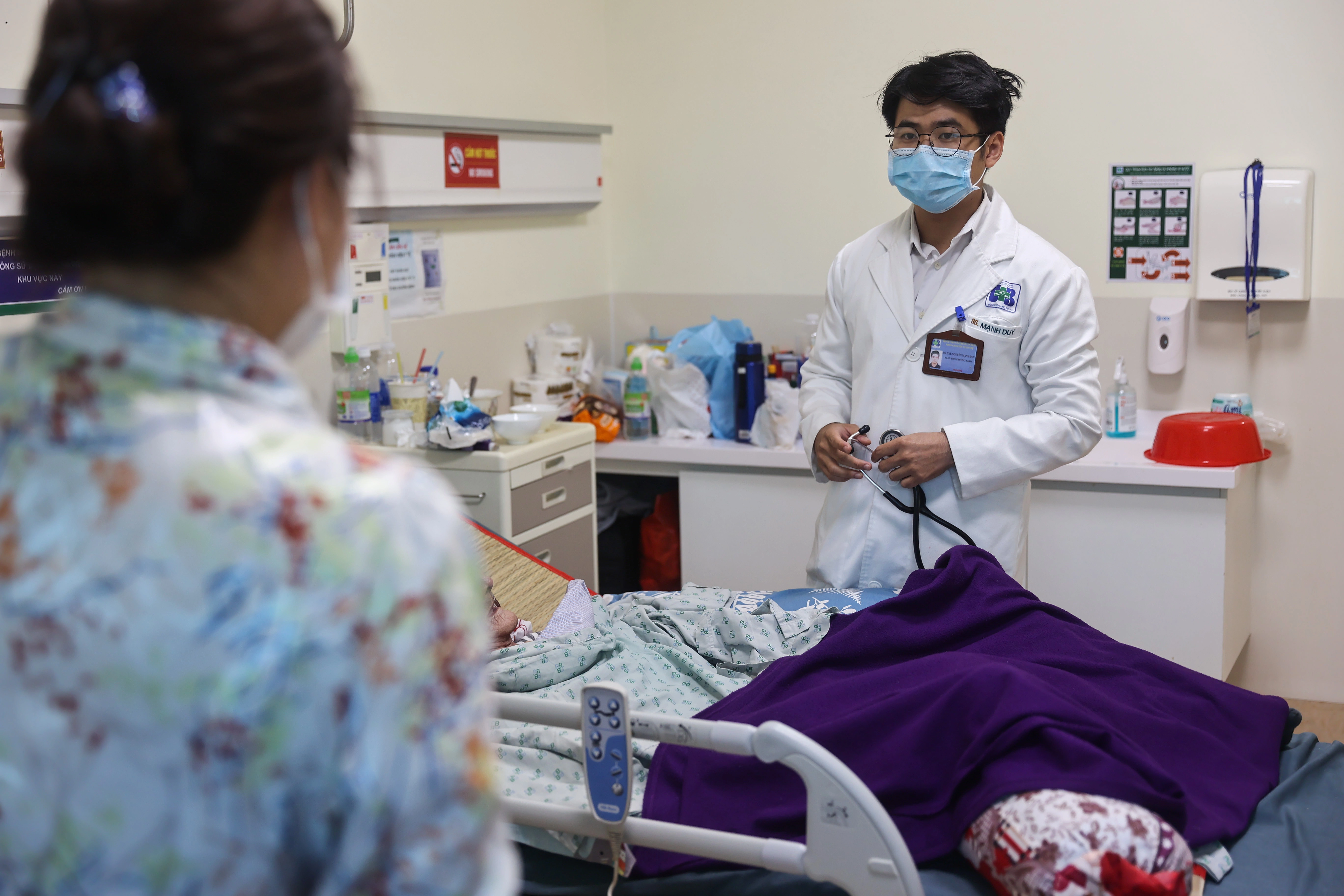
Medical staff guiding Mr. Luan through early post-surgical recovery exercises. *Photo: Tam Anh General Hospital* |
Overweight and obese individuals are more susceptible to gallstones due to endocrine disorders, reduced gallbladder contraction, and high cholesterol levels that readily crystallize into stones.
Initially, the condition is asymptomatic, but as gallstones enlarge, patients experience dull pain or intermittent cramping in the right abdomen, which may radiate to the right shoulder. Untreated gallstones can lead to complications such as acute cholecystitis, common bile duct obstruction, abscesses, and gallbladder necrosis.
Weight loss helps obese individuals reduce their risk of gallstones. However, rapid, unscientific weight loss can increase gallstone risk due to bile concentration during quick weight reduction. Doctors advise overweight and obese individuals to seek comprehensive medical evaluation for safe and effective weight loss plans.
By Thanh Long
| Readers can submit questions about endocrine diseases here for doctors to answer. |