Answer:
Not all colon polyps progress to cancer, and there is no fixed timeline for polyps to become cancerous in every case. The risk and rate of progression depend on the type of polyp, its size, number, location, histological characteristics, and the patient’s risk factors.
Among these, adenomatous polyps are common precancerous lesions. Some adenomatous polyps may develop abnormal changes and progress to colorectal cancer. This process typically unfolds over many years, but the exact duration varies for each individual and cannot be precisely predicted.
Hyperplastic polyps generally carry no malignant risk. Most are small, typically under 5 mm, and are concentrated in the rectum and sigmoid colon, often discovered incidentally during a colonoscopy. If histopathology results confirm they are indeed hyperplastic polyps, patients usually do not need to be overly concerned.
Colon polyps often cause no symptoms, especially when small. When polyps grow larger, patients may experience changes in bowel habits, abdominal pain, bloating, or bloody stools. However, these symptoms are non-specific and can easily be confused with many other digestive conditions.
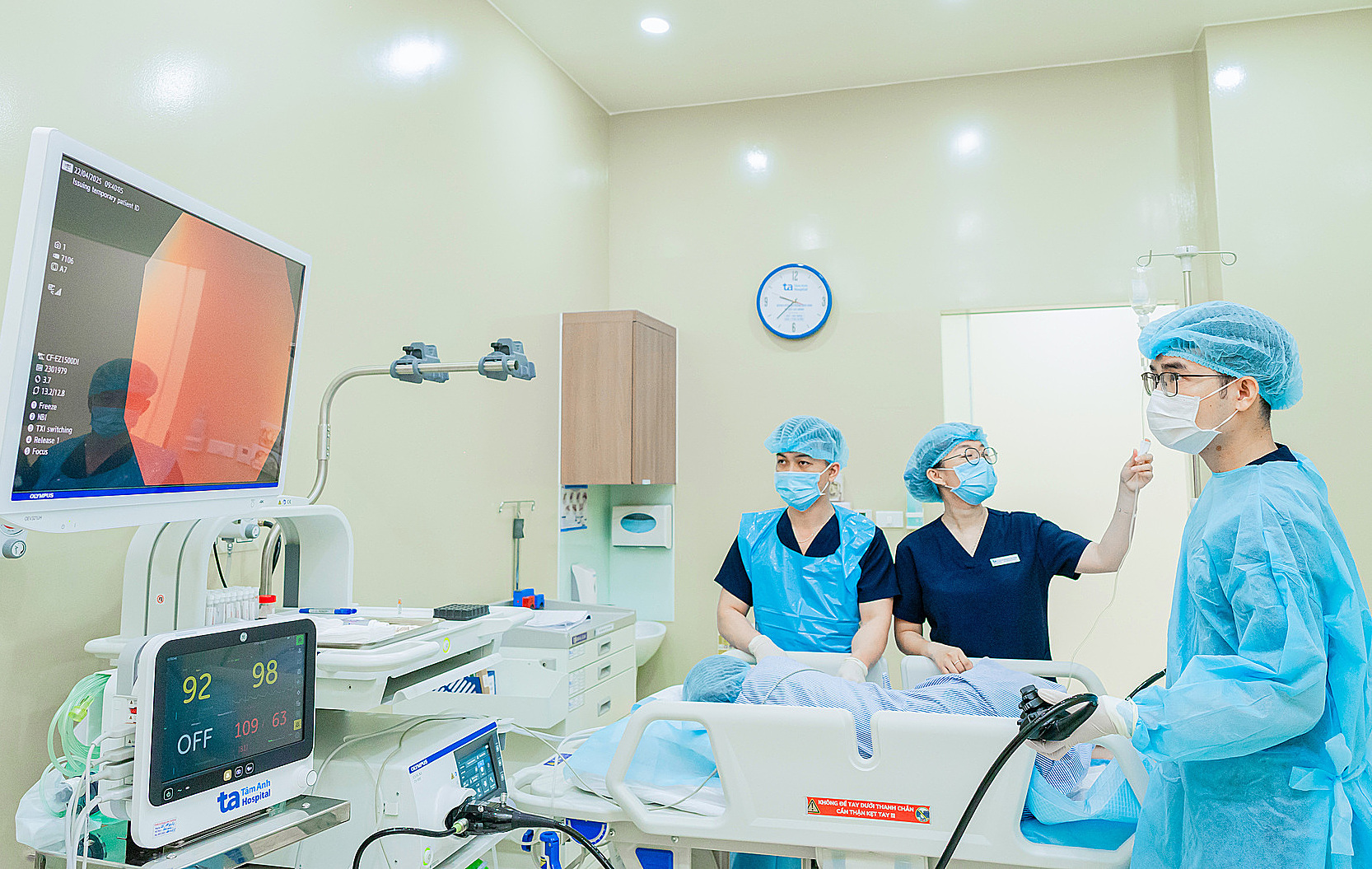 |
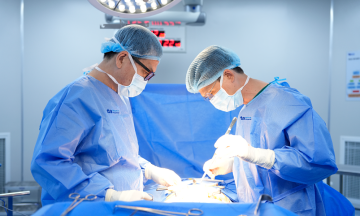
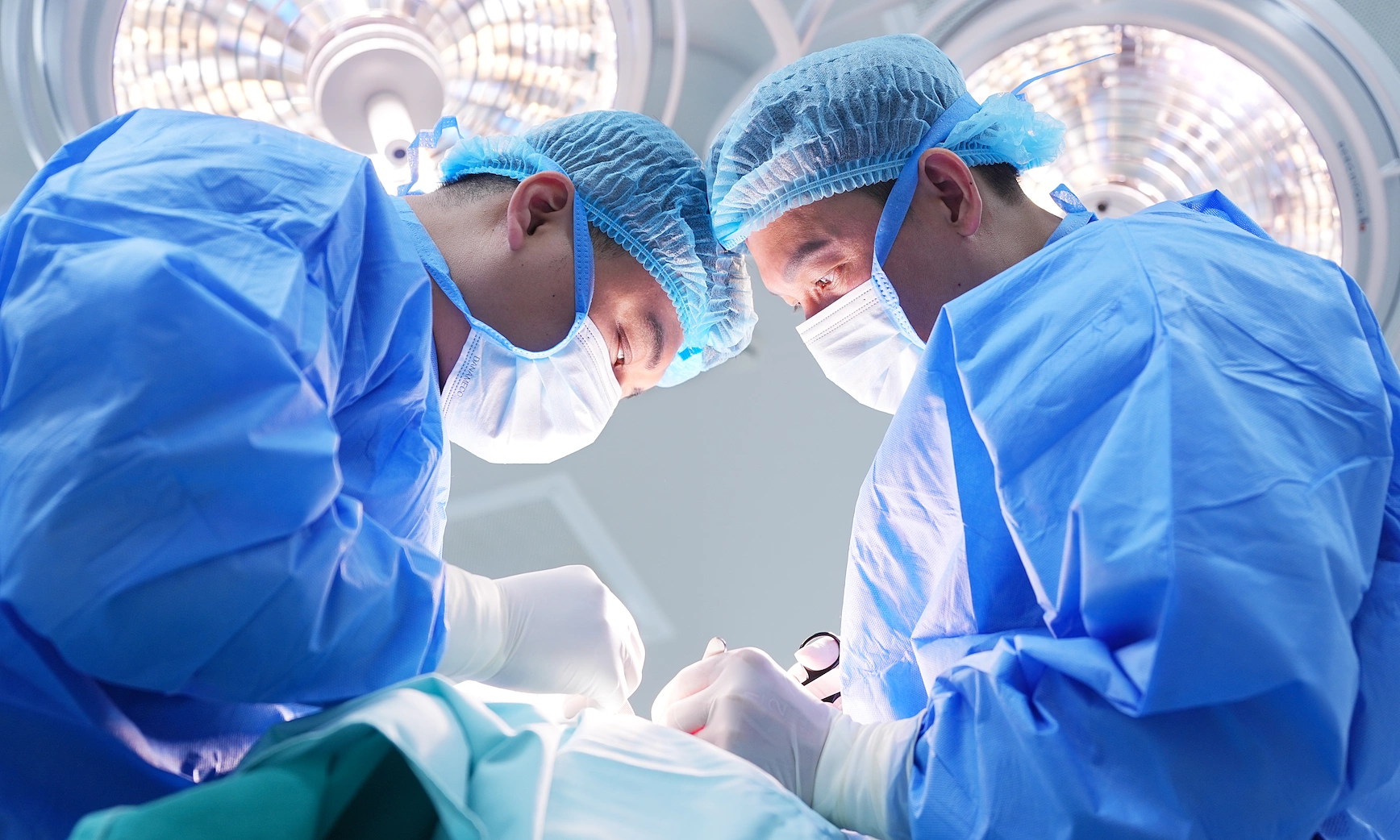
Doctor Lai performs a colonoscopy for a patient. Photo: Tam Anh General Hospital
A colonoscopy helps detect and evaluate polyps, determining their number, size, location, shape, and surface characteristics. Depending on the case, doctors may remove polyps during the procedure or take tissue samples for histopathology to guide subsequent treatment.
After polyp detection, patients must adhere to the colonoscopy schedule recommended by their doctor. The interval between subsequent colonoscopies is determined by the doctor based on various factors, including the type of polyp, its number, size, location, histopathological characteristics, and previous colonoscopy history.
Some polyps can progress over many years, while many others, such as common hyperplastic polyps, pose virtually no malignant risk. Your mother needs to consult her doctor again for an accurate polyp classification, a comprehensive assessment, and appropriate recommendations.
To reduce the risk of polyp formation and colorectal cancer, your mother should maintain a diet rich in green vegetables, fruits, and whole grains. She needs to limit red meat and processed meats, avoid alcohol, and not smoke. Regular physical activity and maintaining a healthy weight contribute to increased immunity.
Doctor Nguyen Ngoc Lai, Specialist Doctor, Level I
Gastrointestinal Endoscopy Unit
Tam Anh General Clinic, District 7
| Readers can submit questions about digestive diseases here for doctors to answer. |