Hypertension, or high blood pressure, is a chronic condition common among the elderly, primarily because arteries tend to stiffen and lose elasticity with age. This condition significantly increases a patient's risk of stroke, heart failure, and myocardial infarction.
According to Dr. Nguyen Dieu Hien, a specialist in Nutrition - Dietetics at Tam Anh General Hospital Ho Chi Minh City, nutrition plays a supportive role in treating and controlling high blood pressure. Patients are encouraged to consider the DASH (Dietary Approaches to Stop Hypertension) eating plan.
This diet limits daily intake of salt and saturated fats, which helps reduce fluid retention within blood vessels and maintains the arteries' patency and elasticity. To effectively implement the DASH model, elderly patients can prioritize the following food groups:
Green and root vegetables
Spinach, kale, malabar spinach, crown daisy, broccoli, tomatoes, carrots, and beetroot are rich in potassium and nitrates. These compounds help relax the smooth muscles of blood vessel walls and increase the excretion of excess salt through urine. These foods also provide beneficial vitamins and minerals for heart health.
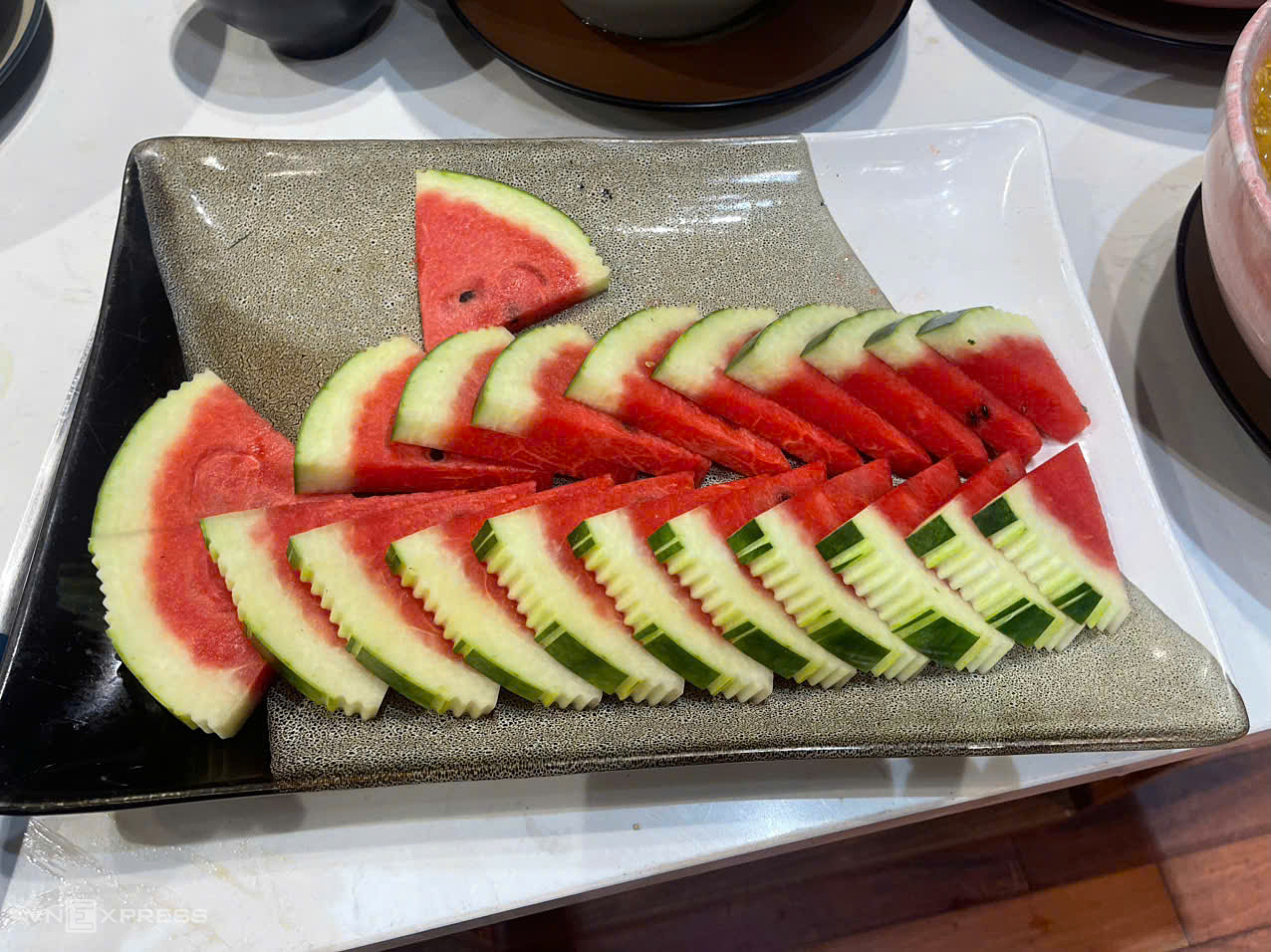 |
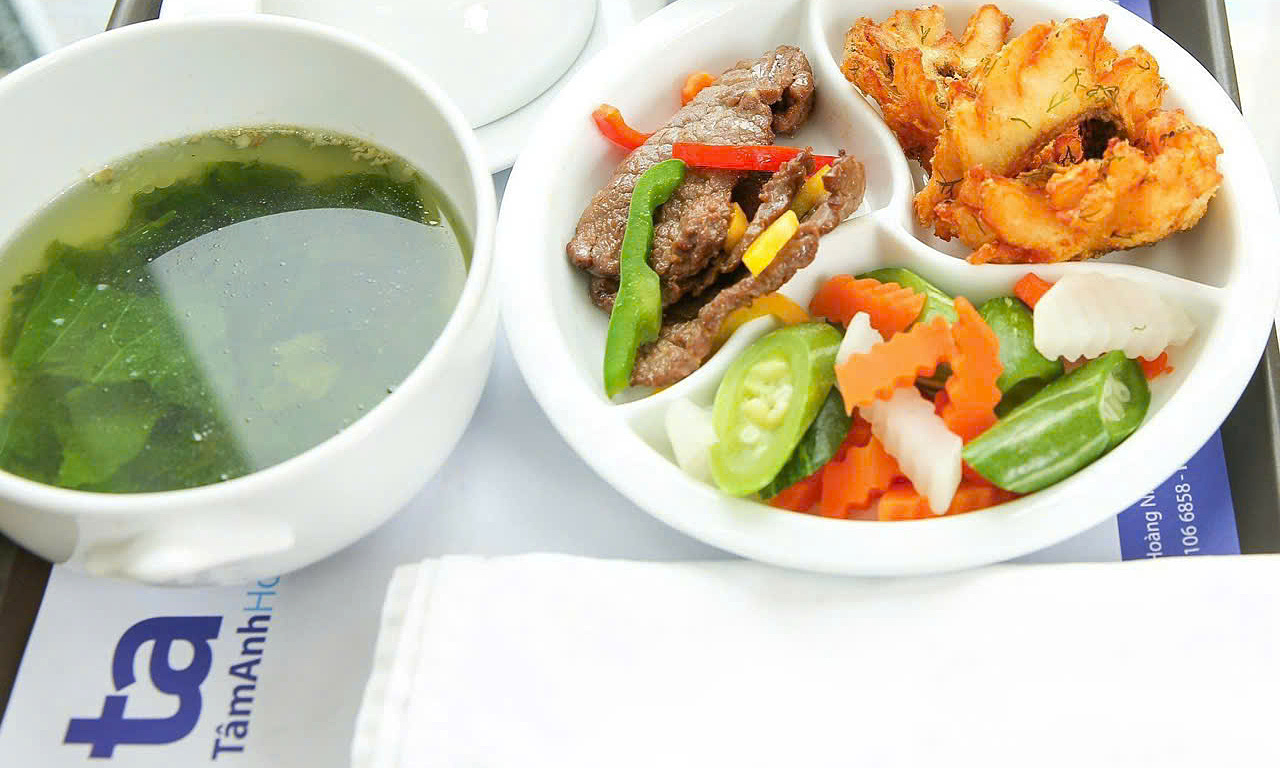
A diet rich in vegetables and fruits is good for blood pressure. Photo: Le Nguyen
Fruits
Bananas, oranges, grapefruit, kiwi, papaya, guava, strawberries, and apples offer soluble fiber and natural antioxidants that protect the vascular endothelium (the inner lining of blood vessels). Elderly individuals should consume whole fruits instead of juices to maximize fiber intake and help regulate blood sugar.
Omega-3 rich fish
Salmon, mackerel, herring, sardines, and tuna provide high amounts of EPA and DHA fatty acids. These can help reduce inflammation, enhance vascular wall elasticity, and improve blood lipid profiles. For preparation, elderly individuals should prioritize boiling or steaming over deep-frying.
Whole grains
Oats, brown rice, rye, quinoa, and whole-wheat bread contain significant amounts of B vitamins and soluble fibers like beta-glucan. These components help slow the absorption of sugar and cholesterol into the bloodstream. Patients can use these whole grains as alternatives to common refined carbohydrate sources such as white rice or white bread.
In addition to a daily nutritional regimen, patients may consider natural biological nutrients such as policosanol, red yeast rice, Gynostemma pentaphyllum, apple extract, and alpha lipoic acid. These active compounds help regulate blood lipids, reduce 'bad' cholesterol, and increase 'good' cholesterol, thereby supporting blood pressure control.
Furthermore, elderly individuals need to maintain a healthy weight, engage in regular physical activity appropriate for their health, minimize alcohol consumption, avoid smoking, and proactively monitor their blood pressure regularly.
Dr. Dieu Hien advises that nutrition and supplementary products serve only as supportive measures and are not substitutes for medication. If blood pressure readings are excessively high, accompanied by unusual symptoms such as chest pain, shortness of breath, one-sided body weakness, difficulty speaking, blurred vision, or severe headache, patients must seek medical attention.
Bui Duc
| Readers can submit questions about nutrition here for doctors to answer. |