Hot weather causes the body to increase sweat production to regulate temperature. If water and electrolytes are not adequately replenished, the circulating blood volume temporarily decreases. This can lead to mild brain hypoperfusion, causing headaches, dizziness, fatigue, and difficulty concentrating.
High temperatures also cause blood vessels to dilate to release heat, which can easily result in a dull ache, a feeling of heaviness in the head, or pain in the forehead and temples. For individuals with a history of migraine, insomnia, stress, or prolonged work outdoors, these symptoms often become more pronounced.
Doctor Nguyen Huu Khanh, a specialist in Neurology at the Neuroscience Center, Tam Anh General Hospital TP HCM, advises that people experiencing headaches after sun exposure should move to a cool, well-ventilated area and rest. They should drink water slowly, in small sips. If sweating heavily, an electrolyte solution or oresol, prepared according to instructions, can be used. Wiping the body with a cool towel and applying cool compresses to the forehead or neck helps lower body temperature. Avoid immediate cold showers or sudden entry into air-conditioned rooms, as rapid temperature changes can cause vasoconstriction, leading to greater discomfort.
If you have not eaten for several hours, you can have a light meal such as fruit, yogurt, or easily digestible food. This is because some headaches are related to low blood sugar after prolonged activity under the sun.
According to Doctor Khanh, elderly individuals and those with hypertension, diabetes, cardiovascular disease, kidney disease, or who are taking diuretics face a higher risk of dehydration and blood pressure imbalances during hot weather. This group needs to drink enough water, limit outdoor exposure during peak sun hours, and monitor their health.
 |
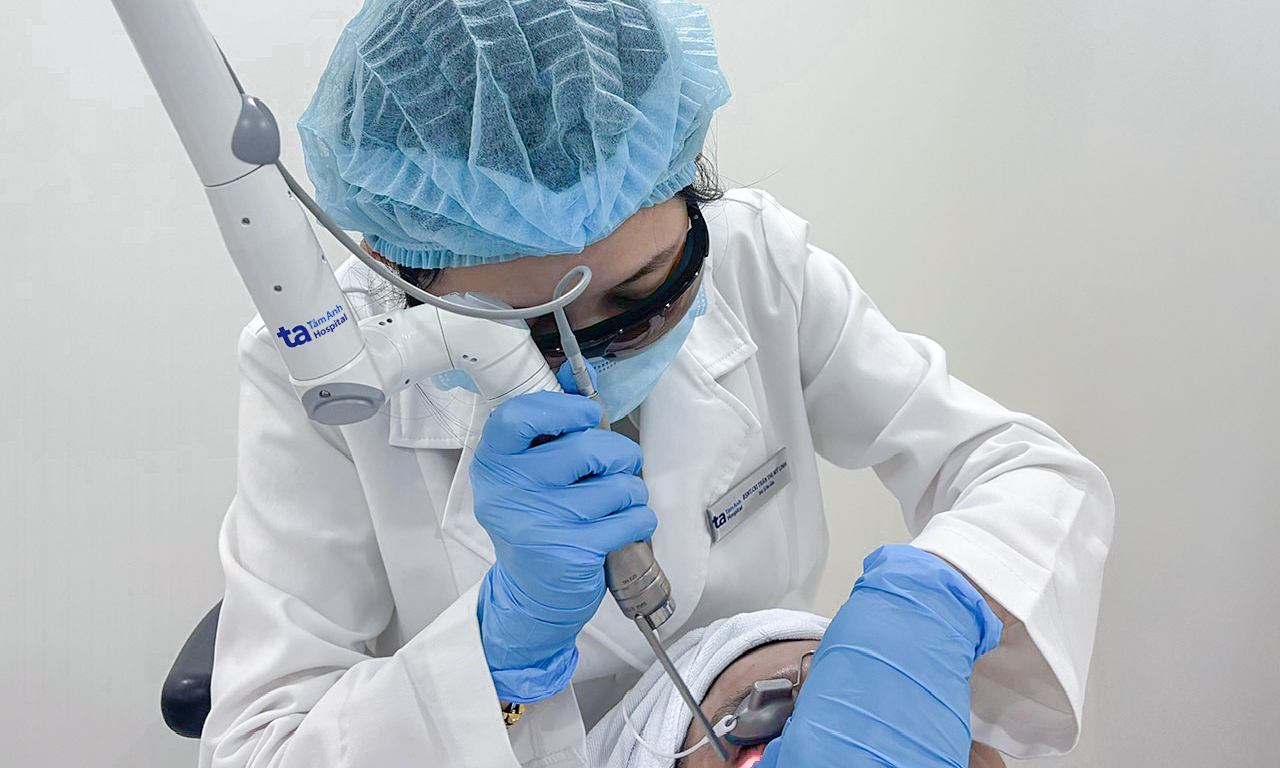
A doctor performing stroke screening for a patient. Illustrative photo: Tam Anh General Hospital
The doctor advises that individuals experiencing persistent headaches that do not subside after rest, accompanied by vomiting, high fever, rapid heartbeat, severe dizziness, fainting, or altered consciousness, should seek medical attention. These symptoms could indicate heat exhaustion, heatstroke, or neurological events like stroke, requiring prompt treatment.
To prevent heat-induced headaches, everyone should limit outdoor activities during peak sun hours, approximately from 10h to 16h. It is also important to wear wide-brimmed hats, light and breathable clothing, drink water before going out, and take breaks if working outdoors for extended periods. Individuals with underlying medical conditions should have regular check-ups, manage blood pressure, blood sugar, and cholesterol levels, and screen for cardiovascular and stroke risks to reduce adverse events during hot weather.
Trong Nghia
| Readers can submit questions about neurological conditions here for doctors to answer |