Dr. Le Thi Huong Giang, Head of the Nutrition Department at Hospital 19-8 (Ministry of Public Security), noted a common belief that cooked rice, once cooled, especially when refrigerated, is healthier than hot rice due to its potential to reduce blood sugar spikes.
Scientifically, when cooked rice cools, particularly when chilled to around 4°C, a portion of its starch undergoes a structural change known as retrogradation. This process converts some of the starch into resistant starch, making it harder to digest. Consequently, cold rice may be digested more slowly than hot rice. Studies indicate that the amount of resistant starch in rice can increase from approximately 0,6g to about 1,6g per 100g of rice after 24 hours of chilling, representing an increase of about 2 to 2,5 times.
However, Dr. Giang clarified that "this figure remains quite small compared to the total starch content, so the impact on blood sugar is moderate, typically reducing it by about 10-15% under certain research conditions". Thus, eating cold rice does not mean it contains "less starch," but rather that a portion of it is "digested more slowly." It should not be considered a method for consuming more rice while still controlling blood sugar or losing weight.
Moreover, this effect varies among different types of rice. Regular white rice, especially fluffy varieties high in amylose, tends to form more resistant starch than sticky or glutinous rice. Dry, fluffy rice also typically generates more resistant starch than mushy rice.
A significant concern arises when cooked rice is left at room temperature for too long, creating an ideal environment for bacteria like *Bacillus cereus* to multiply. This bacterium can exist as spores in raw rice, survive the cooking process, and produce toxins when conditions become favorable, leading to food poisoning.
Symptoms often appear rapidly, manifesting as vomiting within 1 to 6 hours or diarrhea within 6 to 15 hours. These toxins are not entirely destroyed by reheating. Therefore, if rice has already been contaminated, re-heating it will not make it safer for consumption.
According to the doctor, the most common mistakes include leaving cooked rice out for several hours before refrigerating it, or cooling large pots of rice slowly. Some individuals also reheat rice multiple times or thaw frozen rice at room temperature, both of which increase the risk of bacterial contamination.
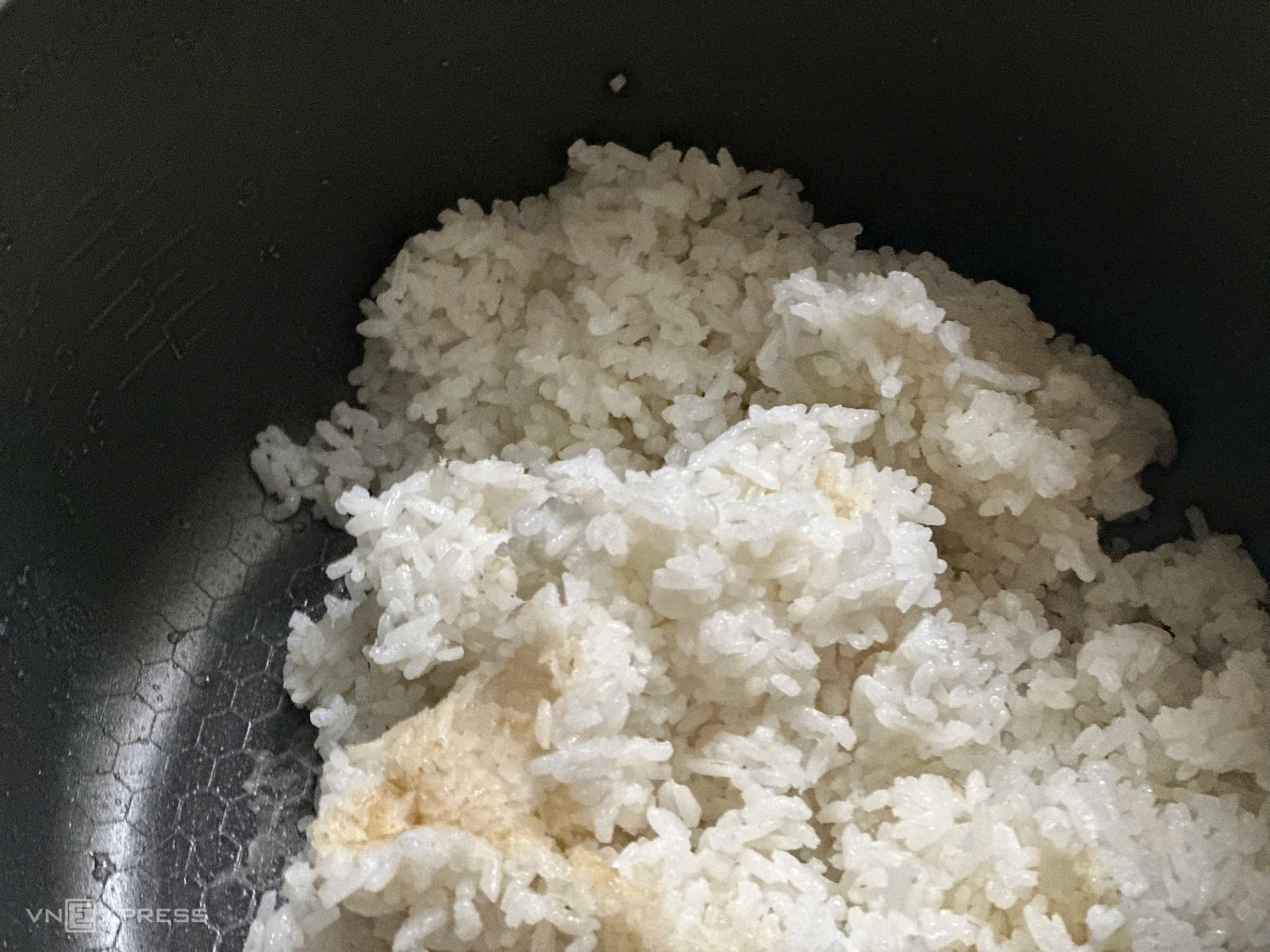 |
Illustration: Huong Thuy |
Overall, cold rice is neither harmful nor a "nutritious dish." When prepared and stored correctly, it might offer a minor benefit in blood sugar management. The crucial factor is not whether the rice is hot or cold, but rather the methods used for cooking, preserving, and consuming the food.
To ensure the safe consumption of cold rice, avoid leaving it at room temperature for more than 1 to 2 hours. It is advisable to divide rice into smaller portions to cool quickly, store it in a refrigerator below 4°C, or freeze it if longer storage is required. Refrigerated rice should be consumed within 24 hours, thoroughly reheated before eating, and not reheated multiple times.
For frozen rice, a temperature of approximately -18°C can inhibit bacterial growth, but it does not completely eliminate bacteria or remove any toxins already produced. Therefore, freezing is only effective if the rice was properly chilled from the outset, rather than serving as a "rescue" for rice that has been left out for too long.
Thuy An