Visceral fat is a type of fat that accumulates around the abdomen and is difficult to reduce. Unlike subcutaneous fat, which is visible and palpable, visceral fat cannot be seen directly. This fat contributes to a larger abdomen, which is aesthetically undesirable and increases the risk of chronic conditions like heart disease, cancer, type 2 diabetes, metabolic syndrome, and fatty liver disease. The following methods, when maintained regularly, can help reduce visceral fat.
Alternate your workouts
While cardio exercises burn significant calories, they can also increase appetite, potentially leading to overeating and weight gain. To effectively reduce fat, incorporate a variety of activities throughout the week, including running, cycling, walking, cardio, and strength training.
Walking is an effective exercise for weight loss and boosting metabolism. Greater walking activity correlates with less stored visceral fat, while prolonged sitting increases its accumulation. Strength training also increases calorie expenditure and builds muscle mass. Increased muscle mass, in turn, boosts metabolism, which aids in fat reduction.
Eat more healthy fats
Healthy fats are unsaturated fats, including monounsaturated and polyunsaturated types such as omega-3 and omega-6. These fats benefit cardiovascular health, reduce inflammation, and support fat metabolism when consumed in moderation. Foods rich in healthy fats include nuts, fatty fish, olive oil, avocados, and canola oil. For a 2,000 kcal diet, the total daily fat intake should be about 44-78 g, with an emphasis on unsaturated fats.
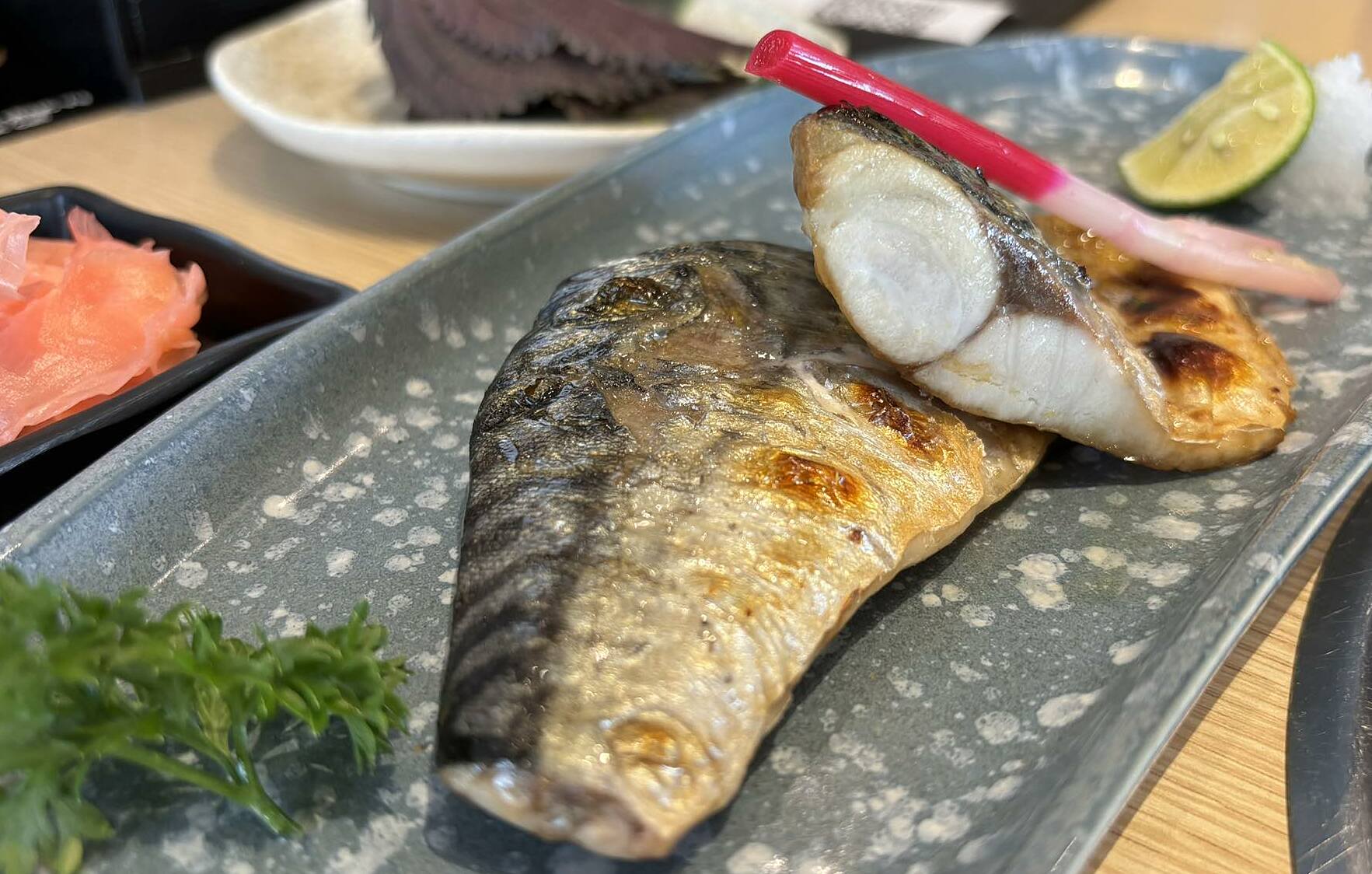 |
Fatty fish is rich in healthy fats, beneficial for weight loss. Photo: Anh Chi |
Prioritize rest
Rest is essential for the body to recover from high-intensity exercise. Post-workout rest allows muscles to recover and grow stronger, reducing injury risk and supporting a long-term active lifestyle. Healthy muscles promote greater calorie and visceral fat burning.
Consume adequate calories
Excessive calorie restriction can increase hunger, potentially leading to overeating and snacking. For weight loss, it is important to consume adequate calories during main meals and snacks to promote satiety. Prioritize nutritionally balanced meals rich in protein and fiber, as these two nutrients help you feel full longer.
Practice relaxation
Stress and weight are closely linked. Chronic stress increases cortisol levels, a hormone that promotes fat storage in the abdominal area. To support weight loss, dedicate time to relaxation daily. Beyond limiting work pressure, reduce stress through practices like yoga, meditation, or social interaction.
Anh Chi (According to Eating Well)
| Readers can submit questions about endocrine diseases here for doctors to answer. |