Dr. Nguyen Huy Hoang, an internal medicine specialist with the Vietnam Undersea and Hyperbaric Medical Association, explains that methanol, a clear liquid with an alcoholic smell, is indistinguishable from safe ethanol to the naked eye. However, once ingested, the body rapidly absorbs this toxin through the stomach and intestines, distributing it throughout the circulatory system.
The most dangerous aspect of methanol poisoning is its deceptive "silent" phase. During the initial hours, individuals experience only mild dizziness, nausea, and lightheadedness, similar to typical alcohol intoxication. The true toxicity emerges 12-24 hours later, as the liver's alcohol dehydrogenase (adh) enzyme converts methanol into formaldehyde, which is then further transformed into formic acid by aldehyde dehydrogenase (aldh). This formic acid directly damages energy-intensive organs: the brain, optic nerves, heart, and kidneys.
 |
Alcoholic beverages are detrimental to health, directly causing over 30 infectious diseases and 200 other ailments. Photo: Henryford.
At this stage, victims experience severe headaches, vomiting, difficulty breathing, and altered consciousness. Their vision progressively blurs, with objects appearing as if covered in fog, or experiencing "snowfall" or a complete whiteout. Dr. Hoang emphasizes these symptoms indicate severe damage to the optic nervous system. He warns that any unlabeled or uninspected alcohol poses a risk of becoming a silent poison.
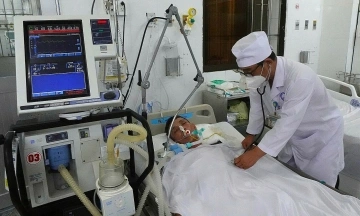
Doctors can save methanol poisoning patients if they receive timely hospital care. Medical facilities immediately employ hemodialysis to rapidly remove methanol and formic acid from the body, simultaneously correcting electrolyte imbalances and providing respiratory support. Conversely, delayed emergency treatment often leads to deep coma and severe metabolic acidosis. At this critical stage, the irreversible brain and eye damage caused by the toxins can result in blindness, permanent disability, or death, even if the patient survives the initial crisis.
Health experts urge extreme caution regarding alcoholic beverages of unknown origin. If symptoms such as unusual headaches, excessive vomiting, extreme fatigue, blurred vision, or deep breathing develop 12-24 hours after consuming alcohol, individuals must immediately seek emergency medical attention. It is crucial to avoid the misconception that "a good night's sleep will make it better," as this delay can cost vital treatment opportunities.
Thuy An