When done correctly, this method not only preserves vitamins but also effectively removes chemicals and harmful agents. Dr. Truong Thich Hang, a preventive medicine specialist in Taipei, cites studies indicating that the nutritional value of blanched vegetables is actually higher than commonly believed.
The first benefit is improved hygiene and safety. Since most pesticides are water-soluble, high cooking temperatures help wash away pesticide residues, insect eggs, and dirt from the surface.
Regarding nutrient retention, research data from South Korea indicates that fat-soluble vitamins like E, K, beta-carotene, and lutein remain stable after blanching, boiling, steaming, or microwaving. Furthermore, a report from Italy found that the content of vitamin E and beta-carotene in boiled spinach was significantly higher than when eaten raw or steamed. Boiling is also an optimal solution for removing "anti-nutrients" such as phytic acid and oxalic acid. These natural compounds, common in dark green leafy vegetables, hinder the body's absorption of minerals. Blanching in boiling water can eliminate up to 90% of oxalic acid.
To maximize health benefits, nutritionist Luu Di Ly recommends specific cooking methods for each food group. For green leafy vegetables rich in vitamin C, homemakers should prioritize boiling, steaming, or microwaving. Conversely, red and yellow root vegetables and fruits, which contain many B vitamins and beta-carotene, are best absorbed when stir-fried with a little oil and water.
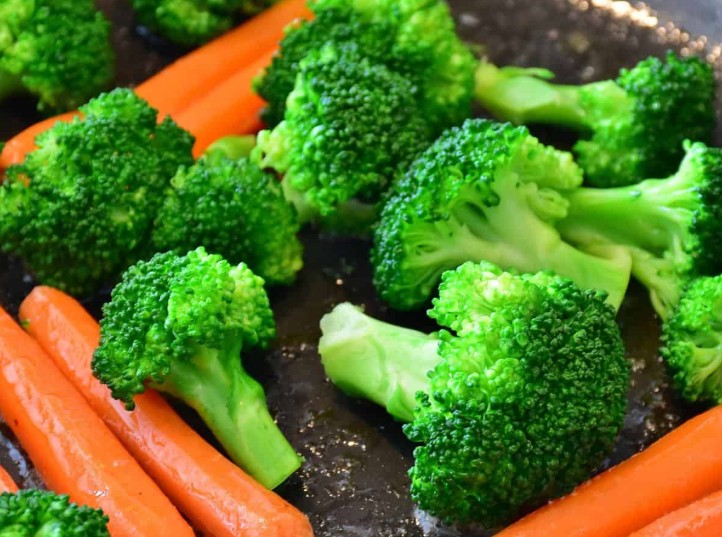 |
Illustration: JOZ. |
Binh Minh (According to HK01)