Answer:
The banaba tree, which blooms in summer, has been used in traditional Eastern medicine for its astringent, bitter, and aromatic properties to treat skin fungus, burns, dysentery, and diabetes. Modern research indicates that its leaves contain corosolic acid, ellagitannin, and flavonoid, which help limit fat and reduce sugar absorption. You can prepare tea from old banaba leaves or boil them in water, consuming 4-6 glasses daily to support the improvement of your existing diabetes.
Diabetes is a chronic disease. According to the National Hospital of Endocrinology, approximately 8 million people in Vietnam suffer from this condition, yet over 60% remain undiagnosed. The World Health Organization (WHO) warns that untreated type 2 diabetes can lead to nerve and blood vessel damage. Additionally, individuals with diabetes are more susceptible to infections such as flu, pneumonia, tuberculosis, and shingles.
Therefore, it is essential to consult a doctor before incorporating banaba leaves into your regimen. Alongside this, manage your blood sugar through a healthy diet, limiting fats and sugars, increasing your intake of green vegetables and fruits, engaging in moderate exercise for 150 minutes per week, and adhering to your prescribed treatment plan.
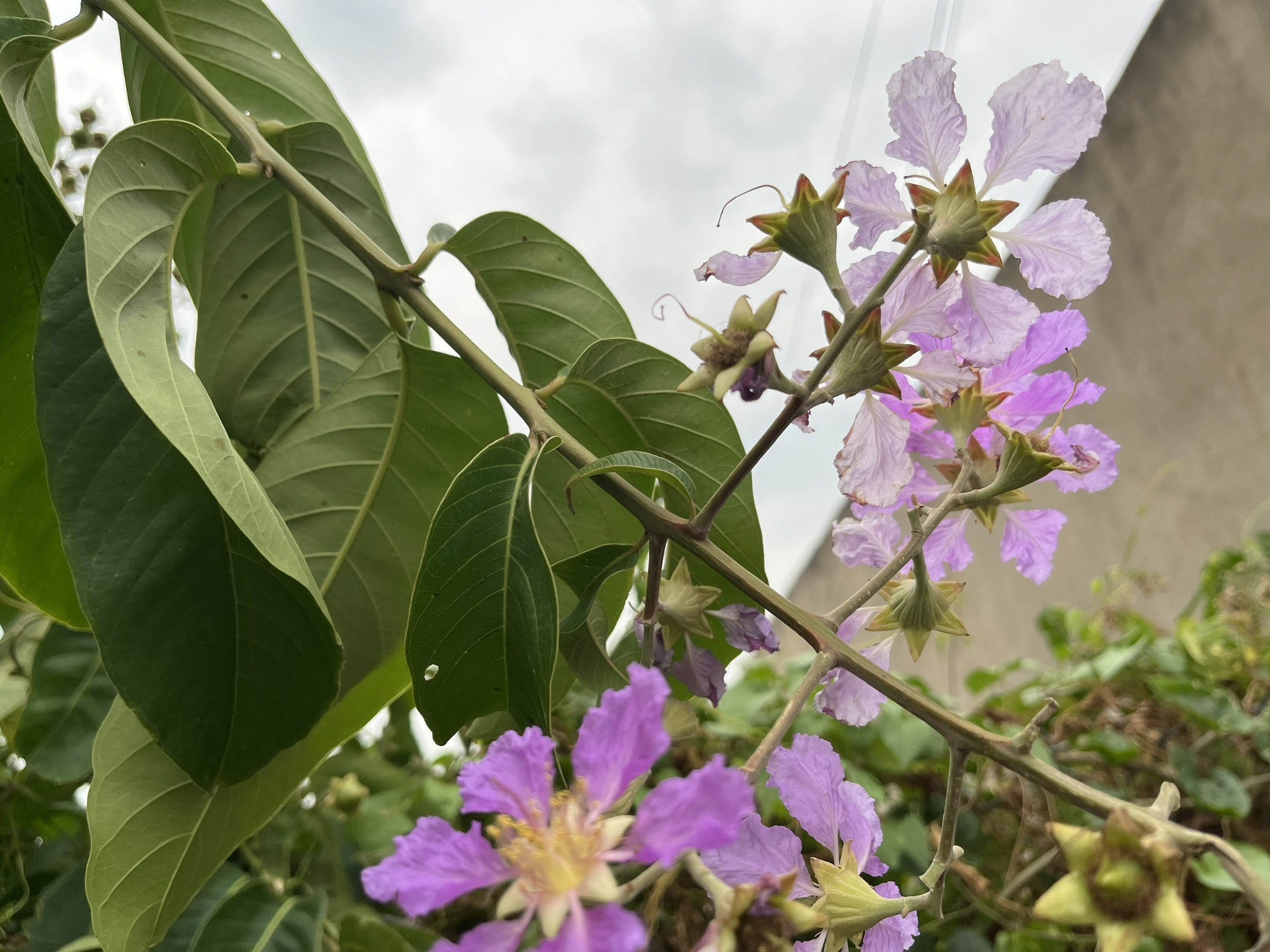 |
Banaba leaves contain substances that help support diabetes management, but consulting a doctor before use is necessary. Photo: Dieu Thuan. |
Respiratory infections like flu, pneumococcal disease, and shingles are more common in older individuals, especially those with weakened immunity or chronic conditions such as diabetes. Prevention strategies include wearing masks, maintaining a positive mindset, and getting vaccinated.
For instance, the flu vaccine, available from France, South Korea, Netherlands, or Vietnam, requires one dose and an annual booster shot, as recommended by the WHO.
The pneumococcal vaccine offers protection against pneumonia, otitis media, meningitis, and sepsis caused by pneumococcal bacteria. Varieties like pneumococcal 13, 15, 20, and 23 vaccines are available for both children and adults. Your doctor will advise on the most suitable type based on your age and vaccination history.
Shingles can be prevented with the Shingrix vaccine, which boasts a 97% efficacy rate in preventing the disease and reduces the risk of post-herpetic neuralgia and other complications by over 90%. Individuals aged 55 years and older should receive two doses, administered 1–2 months apart, depending on their risk of contracting the disease.
Doctor Hoa Tuan Ngoc
Medical Manager, VNVC Vaccination System
Readers can submit vaccine consultation questions for the doctor to answer here.