Many people limit shrimp due to concerns that its cholesterol content might increase blood fat and harm the heart. However, Doctor Nguyen Trong Thuy, former head doctor of the Vietnam National and U23 Teams, explains that high-cholesterol foods do not necessarily lead to increased blood fat. Shrimp is a protein-rich food, low in fat, and provides many nutrients such as vitamin B12, selenium, omega-3, and astaxanthin.
According to nutrition data from the US Department of Agriculture, about 85 g of shrimp can contain over 150 mg of cholesterol. However, when dietary cholesterol levels change, the body has a regulatory mechanism to maintain balance. Therefore, focusing solely on the cholesterol figure in shrimp to conclude it increases blood fat is incomplete.
Shrimp offers high-quality protein and is relatively low in fat. Certain types of shrimp also provide omega-3 fatty acids, selenium, and astaxanthin. Omega-3 plays a vital role in many bodily functions, while selenium contributes to the antioxidant system. Astaxanthin, a natural organic pigment responsible for shrimp's characteristic red-orange color when cooked, possesses antioxidant properties and is currently being researched for its various biological effects.
Instead of overly worrying about cholesterol in shrimp, individuals should focus on the overall quality of their diet, the amount of saturated fat, fiber intake, weight, and physical activity levels. Prioritize boiled, steamed, or soup shrimp, consumed with plenty of vegetables and fiber-rich foods. Limit fried or battered shrimp, or those prepared with excessive butter or fat. Additionally, restrict sauces or dressings high in sugar, fat, and salt. Diversify protein sources rather than concentrating on just one type of food.
There is no fixed amount of shrimp suitable for everyone, as individual needs depend on total dietary intake, age, health status, and nutritional goals. For healthy individuals, shrimp can be a part of a balanced diet. People with high cholesterol typically do not need to eliminate shrimp entirely from their diet. If undergoing treatment for a blood fat disorder, patients should adhere to their doctor's dietary and medication instructions. Generally, consuming appropriate portions, opting for low-fat preparation methods, and combining shrimp with vegetables will help harness its nutritional value while supporting a heart-healthy diet.
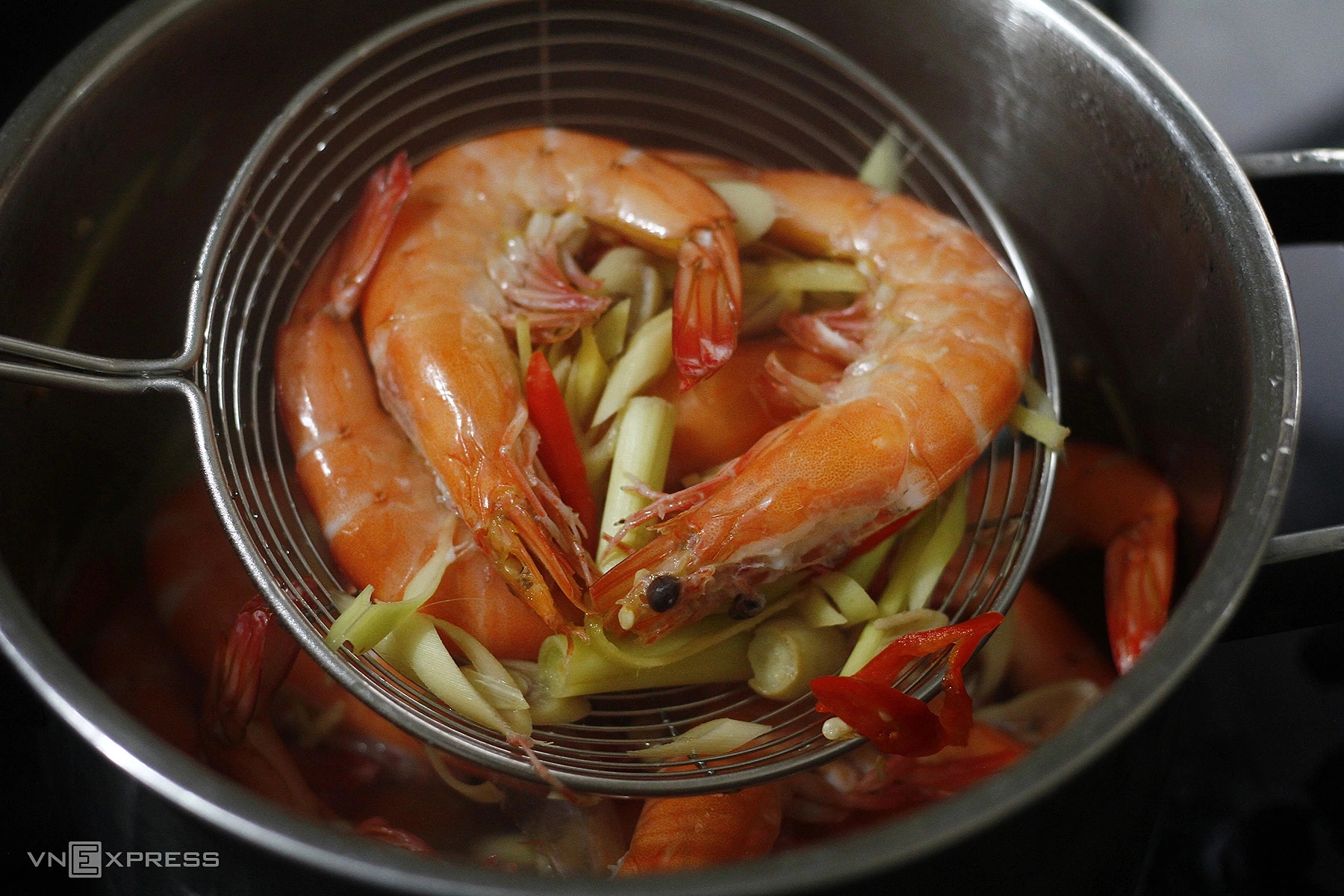 |
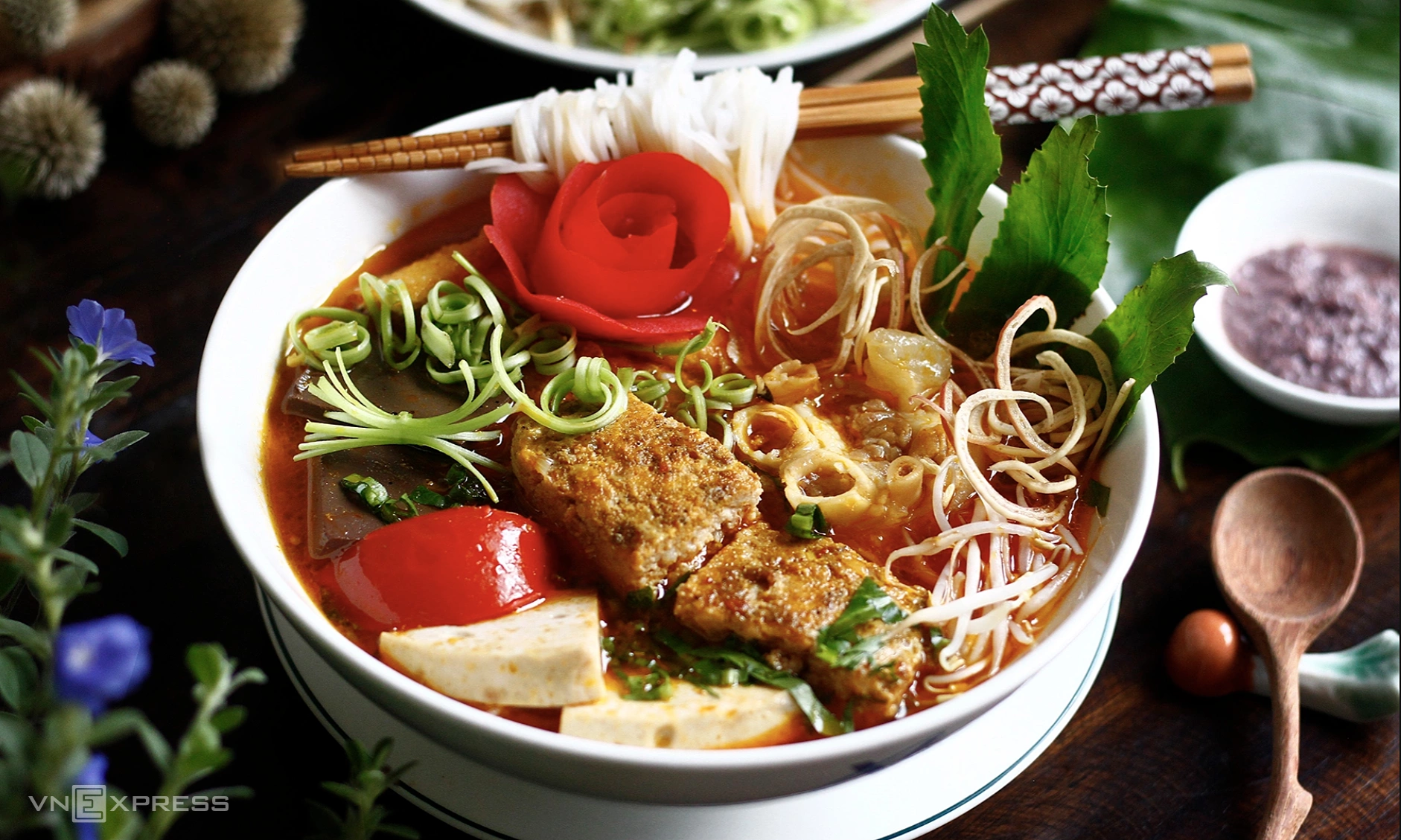
Illustration: Bui Thuy |
When shrimp is fried with abundant oil, butter, or combined with high-fat sauces, the total energy and fat content of the dish increases significantly. Therefore, if you are concerned about cholesterol or heart health, instead of completely removing shrimp from your diet, pay attention to the preparation method and the foods you eat alongside it.
Shrimp is also a common allergen. Reactions can manifest as itching, hives, rash, vomiting, or abdominal pain. In severe cases, individuals may experience anaphylaxis with signs such as swollen lips, tongue, or throat, difficulty breathing, dizziness, and low blood pressure. If serious symptoms appear after eating shrimp, seek medical attention at a medical facility or call emergency services immediately. For children trying shrimp or other potentially allergenic foods for the first time, parents should offer a small amount and monitor for reactions. If a child shows unusual signs after consumption, discontinue the suspected food and consult a doctor if necessary.
When purchasing shrimp, choose fresh ones with firm bodies, bright shells, and no unusual odor. Avoid shrimp that have a foul or ammonia-like smell, a soft body, abnormal discoloration, or any signs of decomposition. After purchase, shrimp must be properly refrigerated and cooked thoroughly before consumption to reduce the risk of bacterial infection.
Thuy Quynh