Dr. Vu Ngoc Bao Quynh from Tam Anh General Hospital Ho Chi Minh City's Spinal Surgery Department addresses My Quynh's concerns about her 15-year-old child's scoliosis, which exceeds 50 degrees and requires surgery. The doctor confirms that while conservative treatments like physical therapy and braces are suitable for mild scoliosis (under 45 degrees), they are ineffective for curvatures over 50 degrees. Surgery is indicated in such cases, and it generally does not negatively impact a child's final height; in fact, it often improves posture and measured height.
Delaying surgery for severe scoliosis, especially when the curvature exceeds 50 degrees, can lead to significant complications. These include body deformity, altered gait, and psychological distress for the child. Furthermore, severe spinal curvature can accelerate spinal degeneration and compress vital organs, impairing cardiopulmonary function. This can result in fatigue and potentially shorten life expectancy.
Adolescent spinal corrective surgery typically involves a posterior approach with fusion using screws and rods to stabilize the spine. While the fused vertebrae will not grow further, the remaining unfused spinal segments and the child's limbs continue to develop normally. Straightening the spine often leads to an immediate increase in measured height post-surgery, with the extent depending on the initial curve and the fusion area. Over time, the child's final height is minimally affected, as most remaining growth comes from the limbs and unfused spinal sections. Thus, surgery often enhances both posture and height.
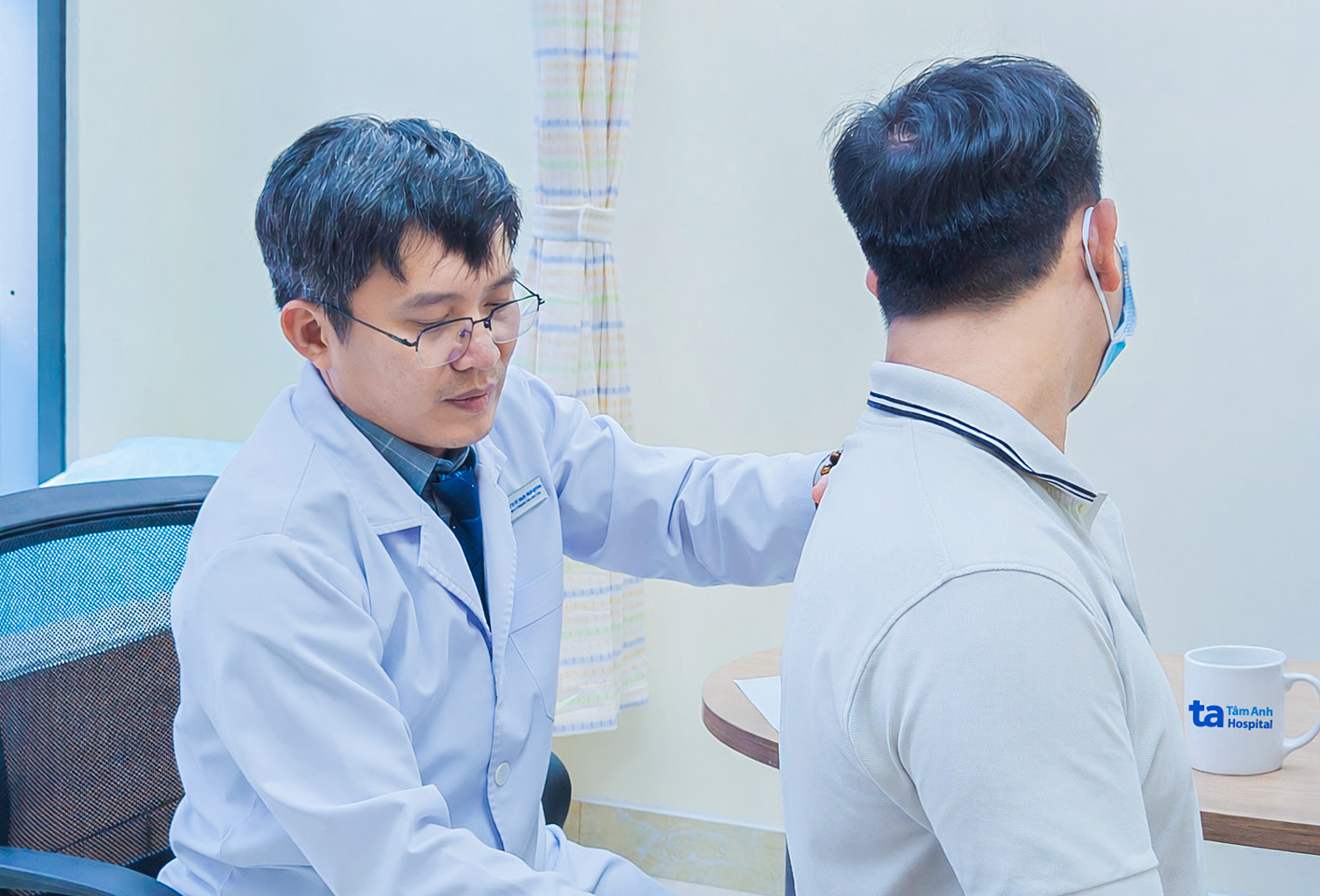 |
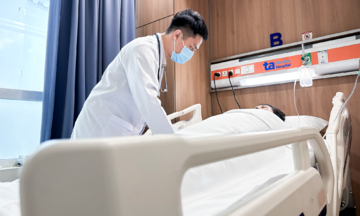
Doctor Quynh assesses a patient's spinal health. *Photo: Tam Anh General Hospital* |
Modern spinal surgery boasts a high success rate, largely due to advanced equipment. This includes ultrasonic bone cutting devices that protect soft tissues and nerves, C-arm imaging for continuous X-ray guidance during surgery to ensure precise placement of screws and rods, and real-time spinal cord function monitoring to mitigate neurological complication risks.
Most children experience improved gait on the first day after surgery and can walk independently within one or two days. Depending on individual bone healing, children can resume light sports like swimming and walking three to six months post-surgery. More strenuous activities can typically be resumed six to twelve months after the procedure.
Dr. Vu Ngoc Bao Quynh
Spinal Surgery Department
Tam Anh General Hospital Ho Chi Minh City
| Readers can send questions about musculoskeletal diseases here for doctors to answer. |