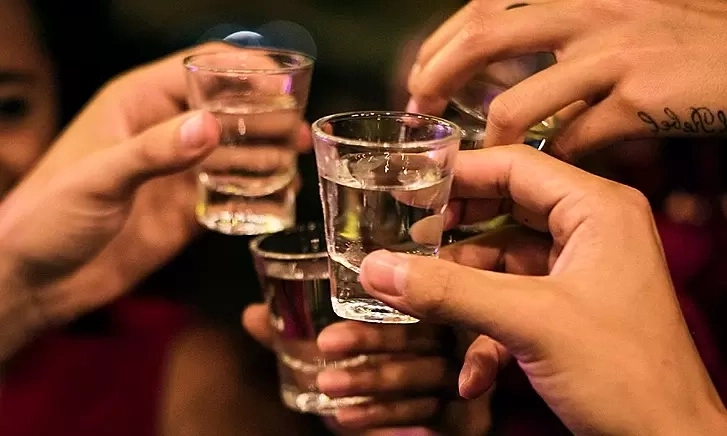
Associate Professor Dr. Nguyen Quang Dung, Deputy Head of the Department of Nutrition and Food Safety at Hanoi Medical University, states that no internal organ can avoid the negative effects of alcoholic beverages. The elderly, those with underlying health conditions, or a history of stroke face the highest risks.
According to biological processes, a small amount of ethanol begins to absorb through the mucous membranes as soon as alcohol touches the mouth. Doctor Nguyen Huy Hoang, from the Vietnam Undersea and Hyperbaric Medicine Association, describes the alcohol's flow continuing through the esophagus to the stomach, with most absorption occurring in the small intestine. Here, due to the large absorptive surface, ethanol enters the bloodstream very quickly and circulates throughout the body.
 |
Alcohol abuse harms all parts of the body. Thu An
The first and most sensitive destination is the brain. Ethanol alters communication between nerve cells. It activates inhibitory systems, making drinkers feel relaxed and sleepy, while also reducing the activity of behavioral control systems, leading to a loss of control over thoughts and emotions. Common manifestations include aggression, anger, or making poor decisions.
While the brain is affected, the liver is forced to "work overtime" at full capacity to process the massive influx of ethanol. This overloaded detoxification process leads to feelings of intoxication, headaches, and prolonged fatigue the next day. On average, the body needs about one hour to break down one unit of alcohol; however, this rate varies depending on the drinker's age and weight.
In the long term, alcohol abuse devastates the cardiovascular system, increasing blood pressure and the risk of heart failure. Experts warn that this beverage is a direct cause of hepatitis, cirrhosis, acute pancreatitis, and diabetes. The digestive system also suffers severe damage, with symptoms like bloating, flatulence, gastroduodenal ulcers, and reduced nutrient absorption.
Beyond internal medical conditions, alcohol also causes chronic neurological complications such as numbness and tingling in the limbs, itching, and memory impairment. In men, alcohol impairs sexual function and reproductive health. Notably, individuals who snore or suffer from sleep apnea syndrome will experience more severe airway obstruction because alcohol relaxes pharyngeal muscles during sleep.
Methanol poisoning (industrial alcohol) poses a particular danger. Initially, patients experience only typical intoxication symptoms, but then rapidly progress to blurred vision, disorientation, rapid breathing due to blood acid disorders, seizures, and coma. Doctor Dung warns that most methanol poisoning cases, upon arriving at the hospital, already have severe brain, eye, and circulatory damage, or even death.
Alcohol is an addictive substance that can lead to liver and lung problems and promote the development of cancer cells. FreeMedEducation
Doctors recommend that during holidays or social gatherings, men should consume less than two units of alcohol and women less than one unit of alcohol per day. A standard unit of alcohol (10 g of pure alcohol) is equivalent to 3/4 of a 330 ml bottle or can of beer (5%), a 100 ml glass of wine (13,5%), a 330 ml glass of draft beer, or a 30 ml shot of spirits (40%).
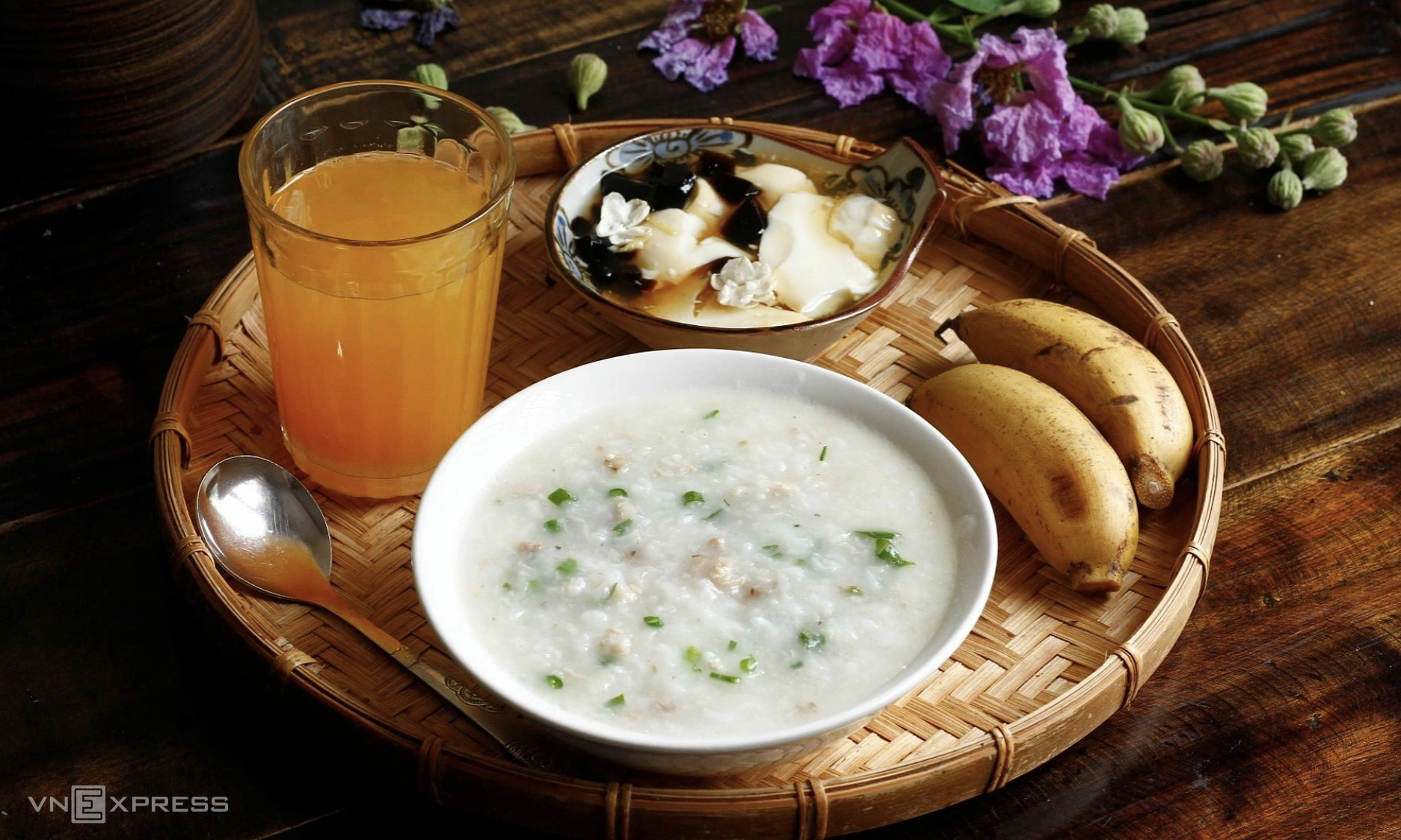
To reduce intoxication, eat a full meal before drinking alcohol. Foods rich in carbohydrates and lipids help slow down the absorption of alcohol into the body. After sobering up, replenish nutrients to help the body recover quickly. Foods high in carbohydrates and sugar aid faster recovery.
Everyone should adopt a healthy lifestyle, including reducing alcohol consumption, exercising regularly, and getting enough sleep. Regular health check-ups are important for early detection of abnormalities and timely treatment.
On average, a healthy adult's liver will eliminate one unit of alcohol every hour. This timeframe can increase or decrease depending on individual physical condition. Approximately 10-15% of alcohol is eliminated through respiration, skin, and sweat; about 85-90% is processed by the liver.
Thuy An