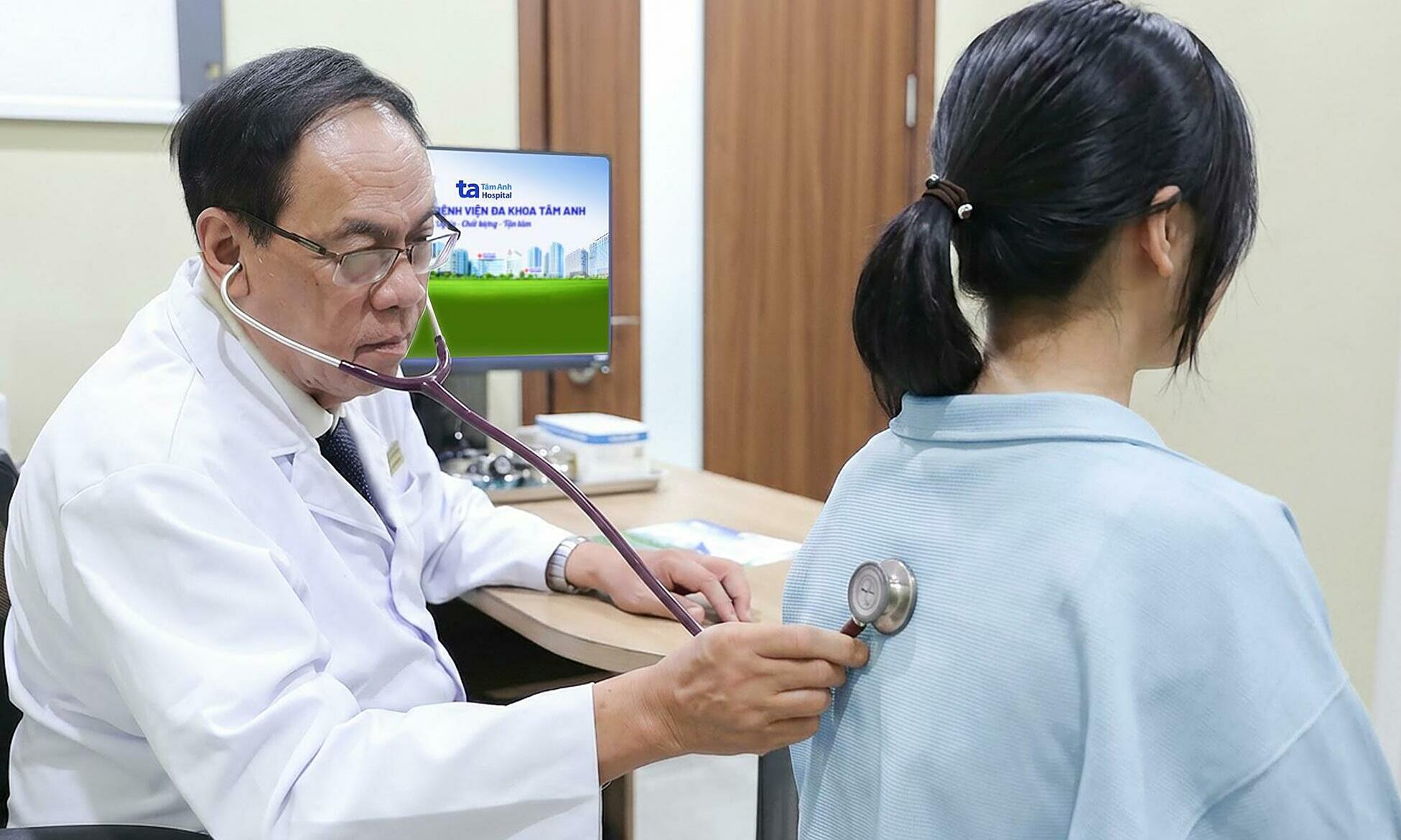
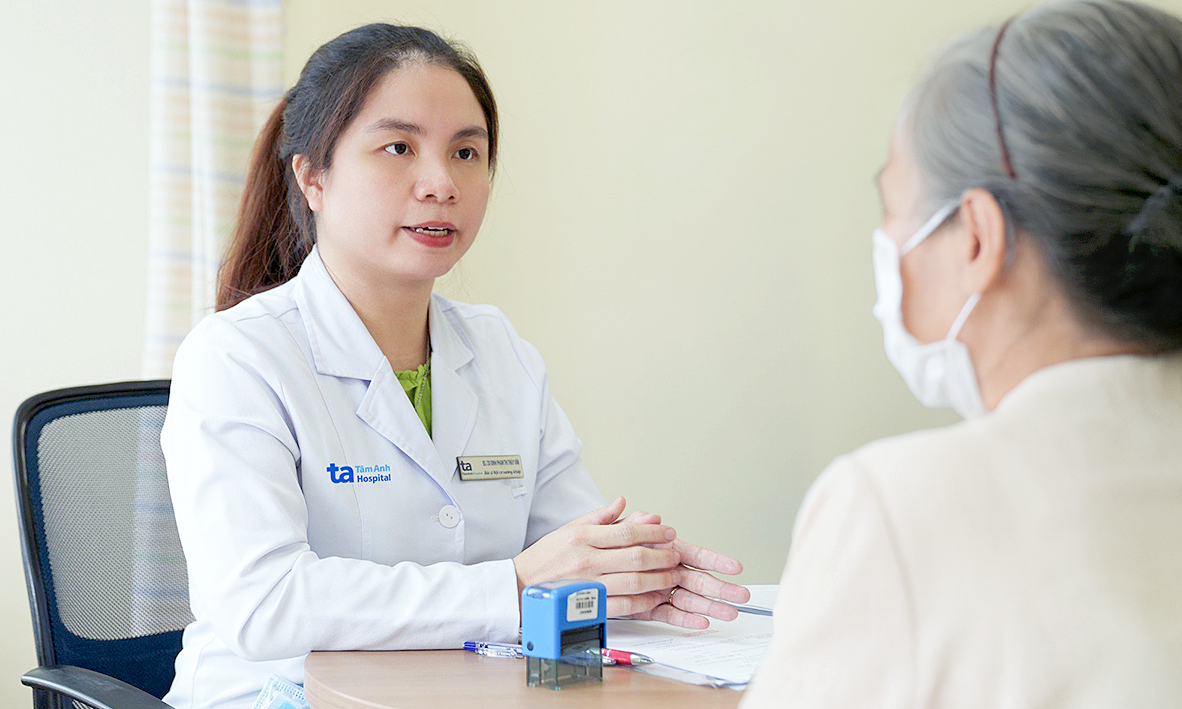
Prolonged intense heat, with outdoor temperatures sometimes exceeding 40 degrees Celsius and a high ultraviolet (UV) index, can negatively affect eye health. Doctor Hoang Quyet Tien, from the Medical Information Center at Tam Anh General Hospital, Ho Chi Minh City, highlights reasons why eyes are more prone to dryness and fatigue during the hot season.
Dry, hot weather
The tear film, composed of multiple layers, keeps the eye's surface moist and lubricated. Hot weather, high temperatures, and low humidity accelerate the evaporation of this watery layer. When stable humidity is not maintained, the eye's surface can become dry, leading to stinging, grittiness, and temporary blurred vision, especially when outdoors or experiencing sudden environmental changes.
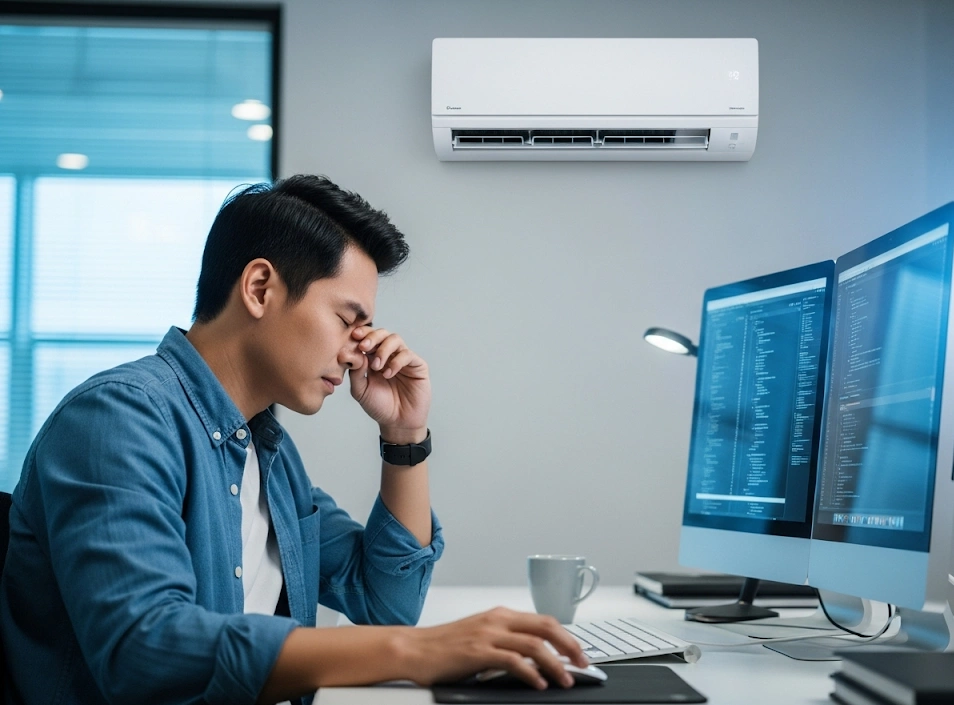 |
Working long hours at a computer screen in an air-conditioned environment can easily cause dry eyes. *AI-generated image*
High-intensity light and UV radiation
The eyes, particularly the retina, contain numerous nerves highly sensitive to light. Exposure to intense light, even for short periods, can damage the retina, resulting in dry eyes, blurred vision, difficulty recovering, and even vision loss. In the long term, UV rays from sunlight are a factor contributing to damage to retinal cells and lens structures, thereby increasing the risk of cataracts and macular degeneration over time.
Prolonged time in air-conditioned rooms
During uncomfortable hot weather, many people spend nearly all day in air-conditioned rooms, using multiple fans at low temperatures, and allowing cold air currents to blow directly onto them. This makes it difficult for eyes to maintain necessary moisture, leading to sensations of stinging, grittiness, watery eyes, and blurred vision.
When focusing on electronic screens, blink frequency significantly decreases, affecting the even distribution of tears across the eyeball surface, causing eyes to quickly become dry and tired.
Inadequate nutrition
Hot weather causes the body to dehydrate quickly. When combined with a habit of drinking insufficient water or consuming many diuretic beverages, this can promote reduced tear secretion. An unbalanced diet also impacts the eyes' protective and recovery capabilities, prolonging dry and tired eye conditions.
According to Doctor Tien, to reduce dry and tired eyes on hot days, avoid intense sunlight (10h-14h), use thorough protection, wear sunglasses, and a wide-brimmed hat when outdoors. Limit sudden temperature changes between air-conditioned rooms and outdoors, drink enough water, and consume refreshing, nutritious foods to maintain eye moisture. Supplementing with broccophane (broccoli extract) can enhance thioredoxin (a small protein acting as a reducing antioxidant), which helps reduce dry and tired eyes and supports vision protection during intense work. If eyes remain dry, stinging, tired, or vision is persistently blurred, consult an ophthalmologist for timely diagnosis and treatment.
Dinh Dieu
| Readers can submit questions about ophthalmological conditions here for a doctor's answers. |