Tonsils are lymphoid tissues located on both sides of the throat, forming part of Waldayer's lymphatic ring. In young children, tonsils help identify bacteria and viruses entering through the nose and mouth, activating an initial immune response and contributing to the production of local antibodies. Thus, tonsils play an important role in a child's immune system, helping the body fight infections.
The human body possesses an extensive immune network involving many organs, including bone marrow, thymus, spleen, lymphatic system, and lymphoid tissue distributed throughout the respiratory and digestive tracts. When a portion of lymphoid tissue is removed, the remaining components can take over and compensate for immune functions, allowing the body to maintain its ability to fight pathogens.
Tonsil immune function is most active in children between four and 10 years old. By adolescence, tonsils typically atrophy and no longer play the same significant role.
Young children in preschool and elementary school often experience tonsillitis. Frequent, prolonged recurrence, even after full medical treatment, can lead to persistent fever, sore throat, fatigue, poor eating and sleeping, slow weight gain, and reduced concentration. A chronic inflammatory focus can also become a source of bacterial spread, increasing the risk of middle ear and sinus complications, causing airway obstruction, loud snoring, and sleep apnea. In such cases, retaining the tonsils no longer offers protection; instead, they become a source of infection, impacting the child's health and daily life. Doctors recommend tonsillectomy when a child is four years old or older.
 |
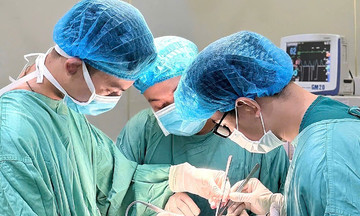
A doctor at Tam Anh General Hospital performs a tonsillectomy on a pediatric patient. *Photo: Hospital provided*
After tonsillectomy, levels of certain local immune antibodies like IgA and IgM may decrease slightly for a short period. However, this change is typically temporary. Systemic immune indicators, such as lymphocyte count and immune response to bacteria and viruses, are generally not significantly affected. Most children do not experience prolonged immune deficiency or more frequent minor illnesses compared to before the surgery.
You should take your child to an ear, nose, and throat (ENT) specialist for a comprehensive health assessment. The doctor will weigh the benefits and risks before recommending tonsillectomy. If surgery is necessary, proper post-operative care is essential for a quick recovery, to minimize complications, and to maintain stable resistance.
In the initial days, children need ample rest and should avoid strenuous activities. Prioritize soft, cool, easy-to-swallow foods such as porridge, soup, and cool milk to ensure balanced nutrition. Avoid spicy, hot, or hard foods, as these can cause throat pain and irritate the surgical area. Administer medication as prescribed by the doctor. Children should drink plenty of water to keep the throat lining moist and practice gentle oral hygiene.
If the child exhibits abnormal signs such as bleeding, high fever, or increasing pain after surgery, you should take them to the hospital for a doctor's examination and timely intervention.
Master of Science, Doctor Nguyen Thuy Linh
Ear, Nose, and Throat Center
Tam Anh General Hospital Hanoi
| Readers can submit questions about ear, nose, and throat conditions here for doctor's answers. |