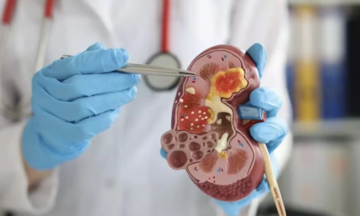
Dr. Phan Thi Thuy Dung, from the Department of Endocrinology and Diabetes at Tam Anh General Hospital Ho Chi Minh City, reported Trinh's body mass index (BMI) was 34,6, indicating the highest level of obesity. She also suffered from co-occurring conditions: stage three fatty liver, pre-diabetes, and a metabolic disorder caused by obesity that led to hypothyroidism and atrophy of her thyroid gland.
 |
Dr. Dung analyzes Trinh's body mass index. Photo: Tam Anh General Hospital |
Trinh's dry skin, fatigue, hair loss, and irregular menstruation were all symptoms of hypothyroidism. Dr. Dung explained that the thyroid gland produces hormones that control metabolism. Excess fat causes changes related to thyroid-stimulating hormones, leading to an overload of adipose tissue, chronic inflammation, and damage to thyroid cells. Inflammatory cytokines cause vasodilation and increased permeability of blood vessels in the thyroid, negatively impacting its morphology and function. Obese patients with hypothyroidism face a higher risk of cardiovascular disease, hypertension, elevated liver lipid levels, and the development of non-alcoholic fatty liver disease.
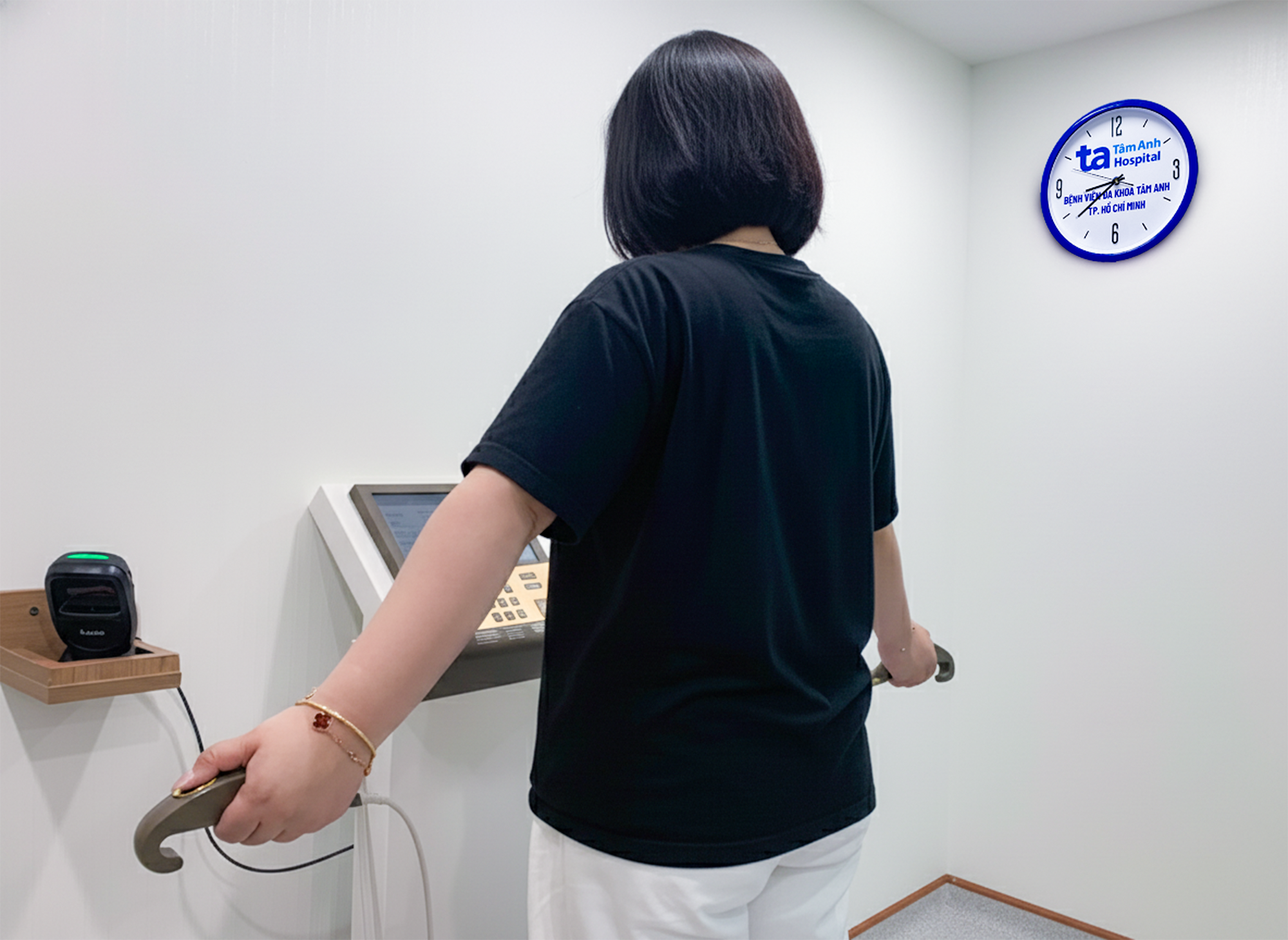 |
Trinh underwent an InBody scan to determine her visceral fat mass. Photo: Tam Anh General Hospital |
The doctor advised Trinh on a treatment regimen addressing both hypothyroidism and obesity, involving medication alongside dietary modifications. Given that patients with hypothyroidism have a reduced metabolic rate, a nutritionist guided Trinh towards a diet prioritizing organic vegetables and fruits, healthy fats, and high-quality animal protein. Additionally, she was encouraged to incorporate gluten-free grains such as: corn, brown rice, oats, buckwheat, and leafy greens.
Adhering to the doctor's plan, Trinh drank 1,5-2 liters of water daily, replaced fast food with simple, easy-to-prepare meals like chicken breast salad, amaranth soup, and steamed fish. She also swam every weekend. After two months, she lost 9 kg, her menstruation returned (though not yet regular), her skin was less dull and dry, hair loss reduced, and her hypothyroidism was controlled.
Duc Hanh
*The patient's name has been changed
| Readers can submit questions about endocrine diseases here for doctors to answer |