Urethral reconstructive surgery typically does not negatively affect physiological function or fertility. Anatomically, surgeons intervene only on the corpus spongiosum, which surrounds the urethra, to clear the passage. They do not impact the corpus cavernosum, the primary structure responsible for erectile mechanisms.
Urethral stricture is a condition where the lumen of the urethra narrows due to scar tissue (fibrosis), often resulting from injury, inflammation, or urinary tract procedures such as lithotripsy, catheterization, or prostate resection. In men, the urethra serves not only to carry urine but also as the sole pathway for semen during ejaculation.
In fact, it is untreated urethral stricture that negatively impacts sexual life. This condition can cause painful ejaculation, reduce ejaculatory pressure, and even lead to inflammation of the seminal vesicles and testicles, increasing the risk of infertility. Once the urethra is cleared, these functions generally tend to improve.
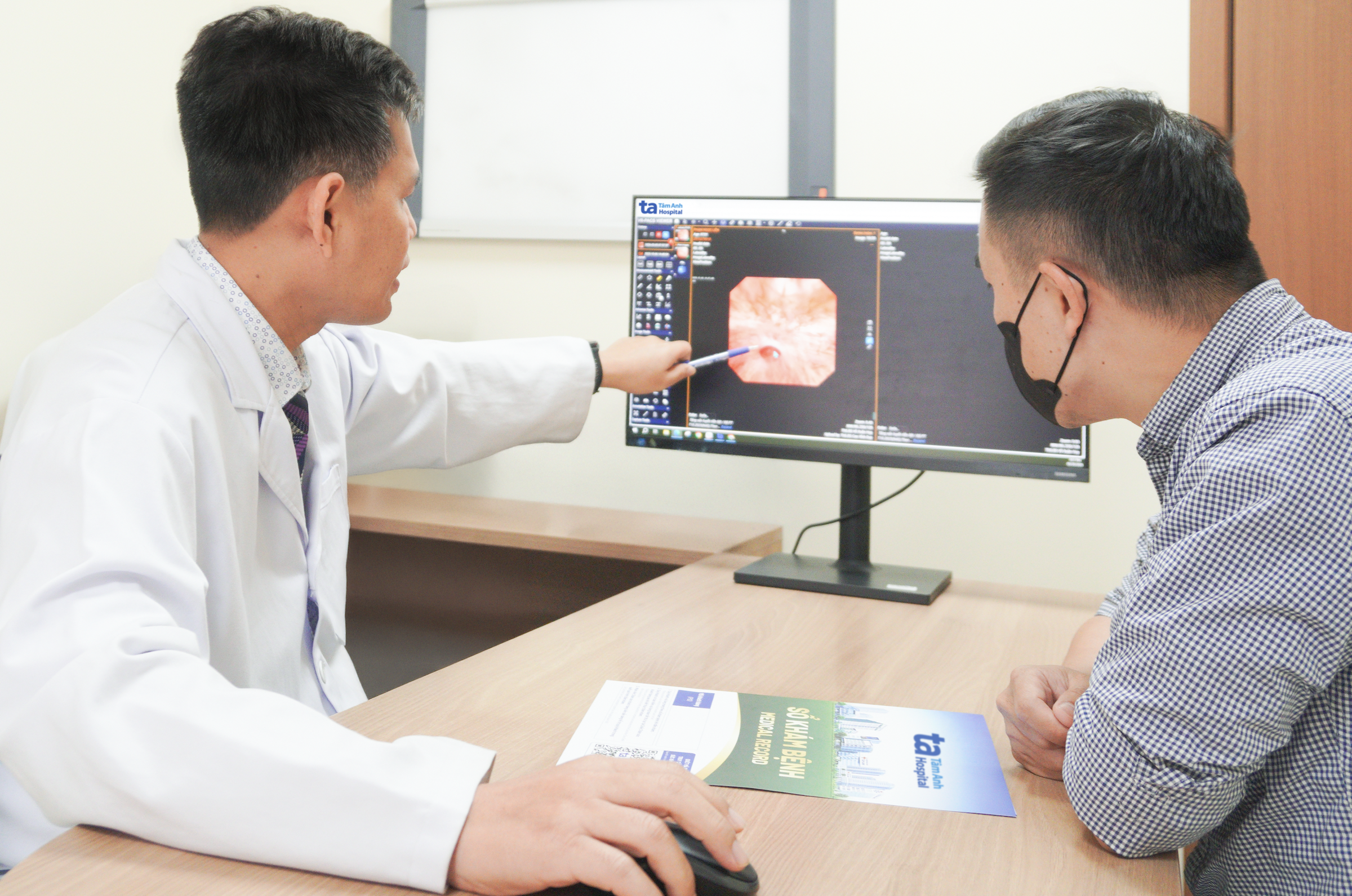 |
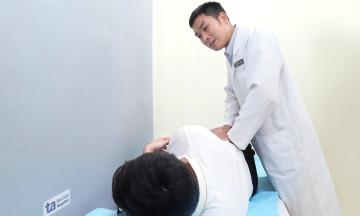
Master of Science, Doctor Cao Vinh Duy advises patients on urethral stricture treatment. Illustration: Tam Anh General Hospital. |
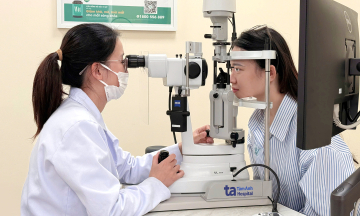
Patients should visit a urology specialist for examination. This may involve specific diagnostic tests such as retrograde urethrogram (RUG), genital ultrasound, or diagnostic endoscopy to accurately determine the extent of the damage. Based on these findings, doctors develop personalized treatment plans, prioritizing both restoring urine flow and preserving physiological function through minimally invasive or microsurgical techniques.
Depending on the specific condition, doctors select the appropriate method to reconstruct the urethral lumen. After surgery, patients must adhere to a schedule of regular follow-up appointments for urethral dilation (if necessary) and to monitor urine flow rate. It is advisable to drink sufficient water, avoid strenuous activities that directly impact the perineal area (such as cycling) during the initial period, and maintain good genital hygiene to prevent recurrent infections.
Master of Science, Doctor Cao Vinh Duy
Department of Urology
Center for Urology - Nephrology - Andrology
Tam Anh General Hospital, Ho Chi Minh City