Wearing a waist trainer does not lead to weight loss, regardless of the product's price, from hundreds of thousands to millions of dong. Its mechanism primarily involves compressing the abdominal area and increasing sweating, which creates an immediate slimming effect due to water loss but does not change actual body weight.
The price difference among waist trainers reflects variations in material, elasticity, design, and comfort. Consequently, more expensive products do not burn fat or facilitate rapid weight loss.
Essentially, prolonged tightening of the abdominal area does not burn visceral fat nor does it reduce subcutaneous fat, both crucial factors determining weight and body shape. Individuals aiming for weight loss should create an energy deficit through a balanced diet combined with increased physical activity. Waist trainers can be used for short periods to achieve a temporary aesthetic effect when wearing certain outfits, but they should not be considered a long-term weight loss method.
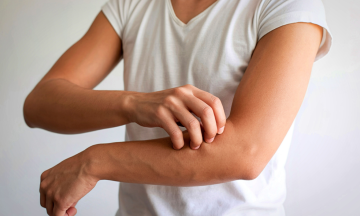
Wearing a waist trainer too tightly or for extended periods can increase pressure on the abdominal cavity, leading to difficulty breathing during exercise or prolonged sitting. It can also exacerbate gastroesophageal reflux due to increased intra-abdominal pressure. Persistent friction and trapped moisture can easily irritate the skin, causing rashes or folliculitis. Postpartum or post-surgical women should use supportive belts as advised by their doctors and should not arbitrarily use waist trainers for waist cinching.
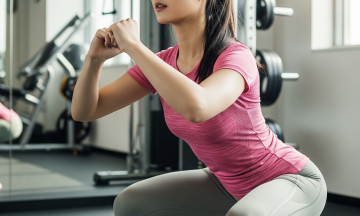
For effective weight loss and improved physique, prioritize a balanced diet, limit foods high in sugar and saturated fats, and maintain regular exercise such as brisk walking, abdominal exercises, or full-body workouts. These measures promote sustainable and safer fat reduction.
Doctor Tran Thi Huyen Trang
Department of General Internal Medicine
Tam Anh General Hospital Hanoi
| Readers can submit questions about endocrine diseases here for a doctor's response. |