After reaching age 50, the body undergoes natural changes, including a slower metabolism, gradual loss of muscle mass and bone density, and an increased risk of cardiovascular disease, diabetes, and other man tinh illnesses. Experts therefore recommend adjusting one's diet to meet nutritional needs during this stage of life.
Prioritize complex carbohydrates
Prioritize starches from whole grains. While eliminating white rice isn't necessary, you can substitute a portion with brown rice or incorporate oats, whole-wheat bread, and other whole grain varieties. Compared to refined starches, these foods are richer in fiber, vitamins, and minerals, promoting satiety and stable blood sugar.
Some also contain antioxidants, which benefit cardiovascular and overall health. The fiber in these grains also plays a vital role in maintaining digestive health, supporting bowel regularity, and fostering a healthy gut microbiome.
Increase protein intake
Protein is essential at all ages, but particularly important after 50. As the body ages, its ability to utilize protein for muscle maintenance and repair gradually declines. Therefore, older adults need adequate protein to support muscle strength and mitigate age-related muscle loss.
Prioritize quality protein sources such as fish, lean meats, poultry, eggs, milk, tofu, and legumes. Distributing protein evenly across meals can also enhance the body's absorption and utilization. Beyond maintaining muscle mass, protein-rich foods also promote satiety, aiding in weight management.
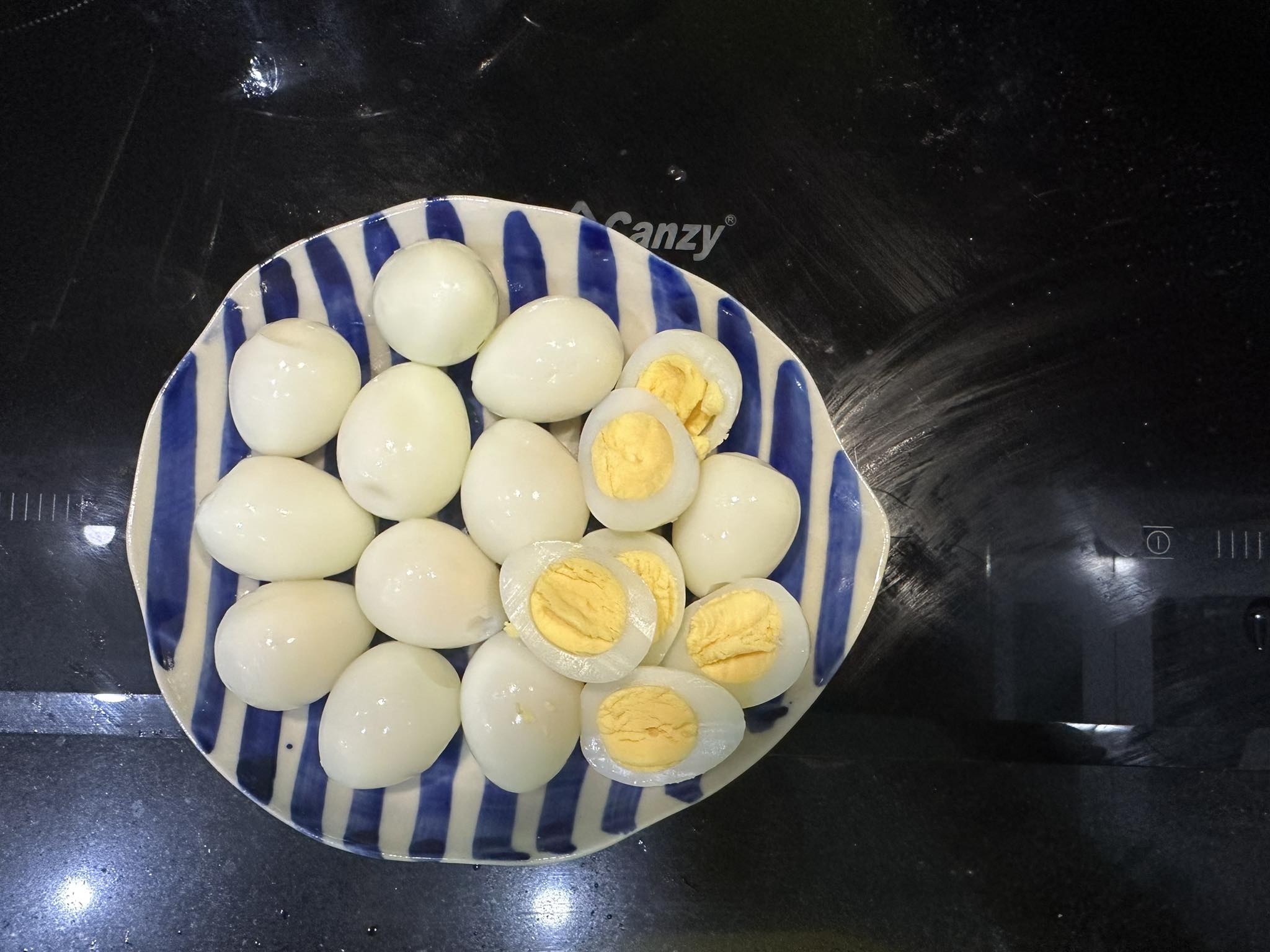 |
Eggs, rich in protein, help maintain muscle mass in old age. Photo: Anh Chi |
Consume fish
As we age, the risk of man tinh illnesses such as cardiovascular disease, stroke, diabetes, and dementia increases. Consuming foods rich in omega-3 fatty acids, unsaturated fats with anti-inflammatory properties beneficial for heart and brain health, is one way to support overall well-being.
Fatty fish like salmon, mackerel, and herring are abundant sources of omega-3. Experts recommend consuming fish two to three times per week. Beyond fish, omega-3 can also be found in plant-based foods such as walnuts, flaxseeds, and chia seeds.
Reduce salt intake
Excessive sodium intake can elevate the risk of high blood pressure and cardiovascular disease. To reduce sodium, limit adding too much salt, fish sauce, or salty seasonings when cooking. You can enhance flavor using herbs, onion, garlic, ginger, pepper, or lemon. If using canned foods, rinse them before preparation to decrease sodium content.
Supplement with calcium-rich foods
After age 50, bone density gradually declines, increasing the risk of osteoporosis and fractures in both men and women. Therefore, ensuring sufficient calcium intake is important for maintaining a healthy skeletal system.
Calcium is abundant in milk, yogurt, cheese, small fish consumed with bones, tofu, and dark leafy greens like spinach and kale. For effective calcium absorption, you also need sufficient vitamin D, obtained through sunlight exposure, food, or as prescribed by a doctor when necessary. Alongside diet, weight-bearing exercises such as walking, climbing stairs, or weight training also contribute to maintaining bone density and reducing the risk of fractures in older age.
By Bao Bao (Compiled)