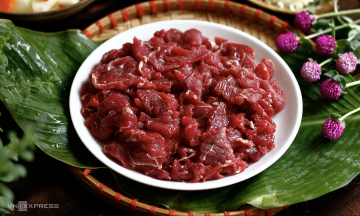
Meat is an essential source of protein, supporting muscle maintenance and daily energy. The potential for weight gain or loss from eating meat depends on several factors: the type of meat, its preparation method, and your total daily calorie intake.
You can achieve effective weight loss and maintain a healthy physique by consuming lean meat prepared in a healthy manner, limiting fatty meats and starches, and carefully controlling your overall calorie intake.
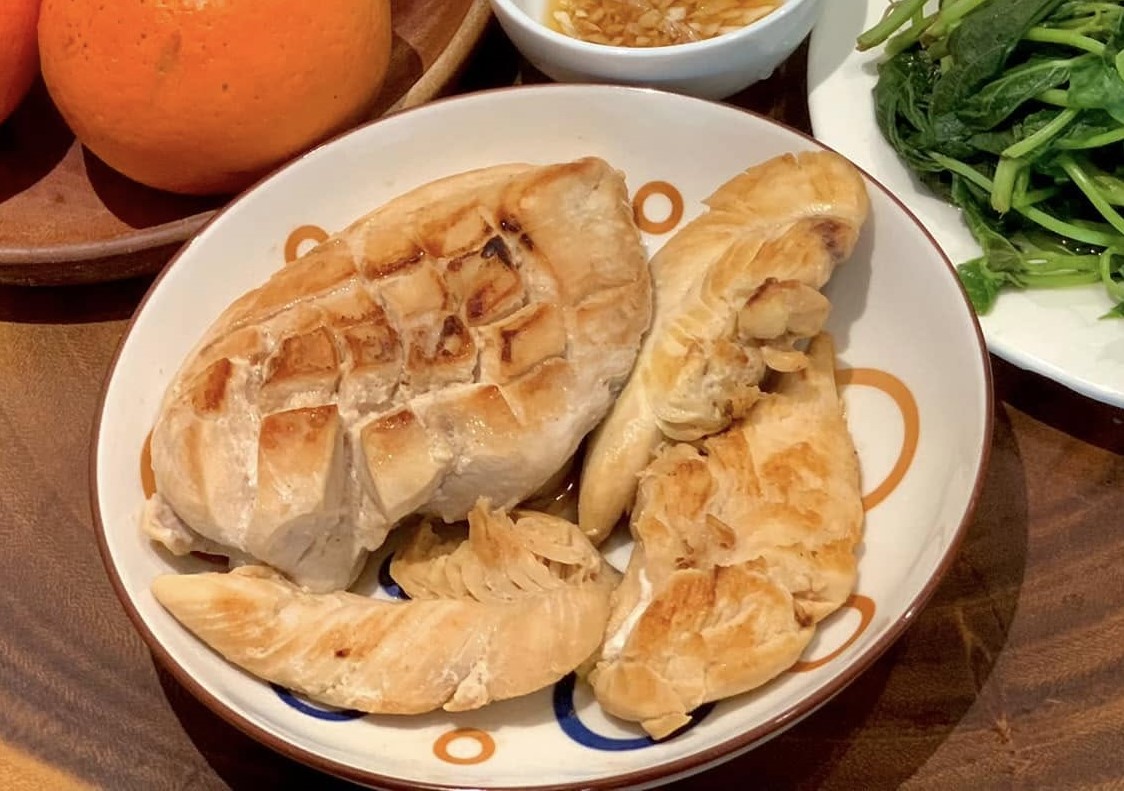 |
Skinless chicken breast, rich in lean protein, supports weight loss. Photo: Bach Duong |
Conversely, regularly consuming fatty meats, processed meats, or high-calorie meat dishes—such as breaded and fried, roasted, or braised preparations—especially exceeding 500 g per week with limited intake of vegetables and plant-based protein, can quickly lead to weight gain.
To manage weight and ensure adequate protein intake from meat, prioritize options such as: skinless chicken breast, beef tenderloin, lean pork, and frog meat. When preparing these, boiling, steaming, or pan-frying are recommended, while roasting, deep-frying, and braising should be limited.
An adult should consume a total of approximately 150-200 g of meat, fish, or other animal protein daily, divided into two main meals, with each meal containing about 100 g of meat. Total weekly intake should remain under 500 g to prevent weight gain. Additionally, limit red meat, prioritize lean cuts, and diversify your protein sources with fish, eggs, and tofu. Combining meat with green vegetables and fruits will further support overall health and effective weight management.
This advice is provided by Nutritionist Hoang Dao Ngoc Lan, from the Endocrinology - Diabetes Unit at Tam Anh General Clinic District 7.
| Readers can submit questions about endocrine diseases here for doctors to answer. |