Currently, the entire country is experiencing cold spells, with temperatures in many areas dropping to around 10-20 degrees Celsius in the early morning and at night. Doctor Nguyen Huu Khanh, a specialist in neurology at Tam Anh General Hospital's Neuroscience Center, stated that stroke occurs year-round, but the onset mechanisms and types of cerebral vascular damage are partly influenced by weather conditions. Environmental temperature changes directly impact the cardiovascular-brain system, leading to differences in stroke risk and characteristics between cold and hot seasons.
When the weather is cold, the body reacts by constricting peripheral blood vessels to conserve heat. This mechanism increases vascular resistance, resulting in high blood pressure. The risk is higher for older people and those with underlying cardiovascular conditions. For patients with hypertension or hardened blood vessels, a sudden increase in blood pressure can exert significant pressure on the brain's vessel walls, increasing the risk of vessel rupture, which causes hemorrhagic stroke, or promoting clot formation, leading to vessel occlusion.
Cold season stroke often occurs in the early morning or at night, times when physiological blood pressure naturally rises while blood vessels remain constricted. If a patient wakes suddenly, gets out of bed immediately, or is exposed to cold air without adequate warmth, blood pressure can fluctuate sharply in a short period, increasing the risk of cerebrovascular accidents.
Additionally, low temperatures can thicken the blood, slowing its flow and increasing its clotting ability. In individuals who are less active or have cerebral atherosclerosis, this condition can also promote cerebral infarction or worsen pre-existing vascular damage.
According to doctor Khanh, stroke occurring in the hot season has different onset mechanisms. High temperatures cause peripheral blood vessels to dilate to dissipate heat, and the body increases sweating to regulate body temperature. If not adequately rehydrated, circulating volume decreases, blood becomes concentrated, and viscosity increases, slowing blood flow within the vessels and raising the risk of blood clot formation that causes cerebral infarction.
Prolonged vasodilation during the hot season can lead to a drop in blood pressure, particularly in older people and those with cardiovascular disease. When the brain's autoregulation of blood supply is poor, reduced blood pressure can result in transient cerebral ischemia, creating conditions for clots to form and obstruct cerebral arteries. Dehydration and electrolyte imbalance in hot weather can also lead to heart arrhythmias, causing clots to travel from the heart to the brain.
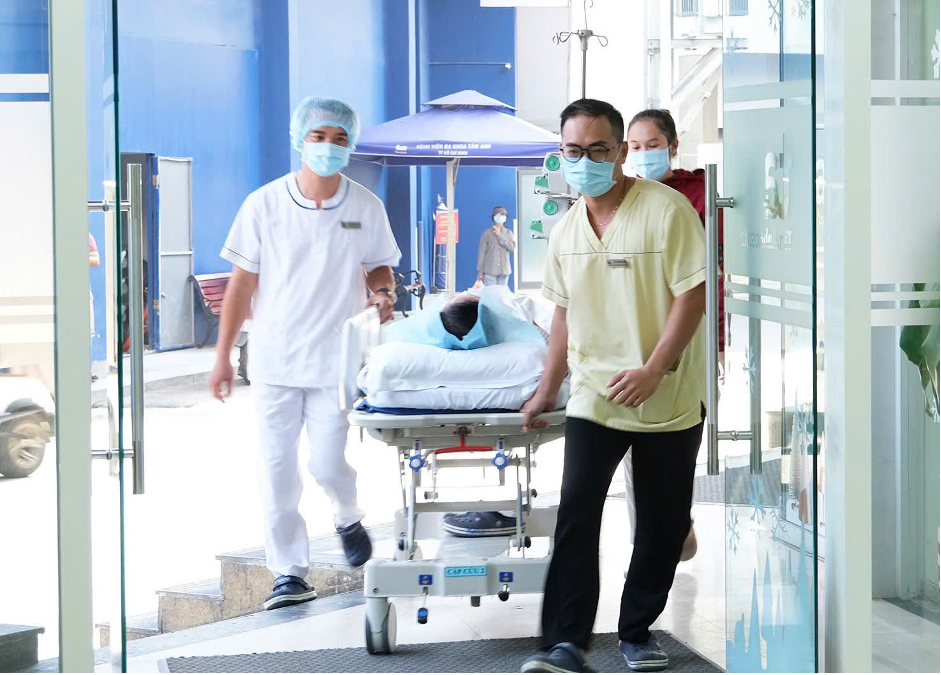 |
Stroke patients need early emergency care to limit the risk of death and long-term complications. Photo: Tam Anh General Hospital |
Stroke patients need early emergency care to limit the risk of death and long-term complications. Photo: Tam Anh General Hospital
Doctor Khanh noted that the cold season typically sees more cases of hemorrhagic stroke, whereas the hot season primarily experiences ischemic stroke, often linked to dehydration, blood thickening, and blood pressure dysregulation. Some patients are admitted late because they or their families mistake early stroke signs for a common cold, fatigue, or dizziness due to weather changes.
Regardless of the season, stroke is a medical emergency, and the time to receive emergency care is critical for a patient's survival and recovery. High-risk individuals, such as those over 60 years old, or with hypertension, diabetes, dyslipidemia, or cardiovascular disease, require close monitoring, regular blood pressure control, and periodic check-ups with neurology and cardiology specialists.
Cerebral vascular abnormalities can be detected early through screening with CT and MRI scans. These scans help assess narrowing, aneurysms, atherosclerosis, or the risk of clot formation. Early detection enables doctors to develop appropriate monitoring and treatment plans, contributing to a reduced stroke risk when weather changes suddenly.
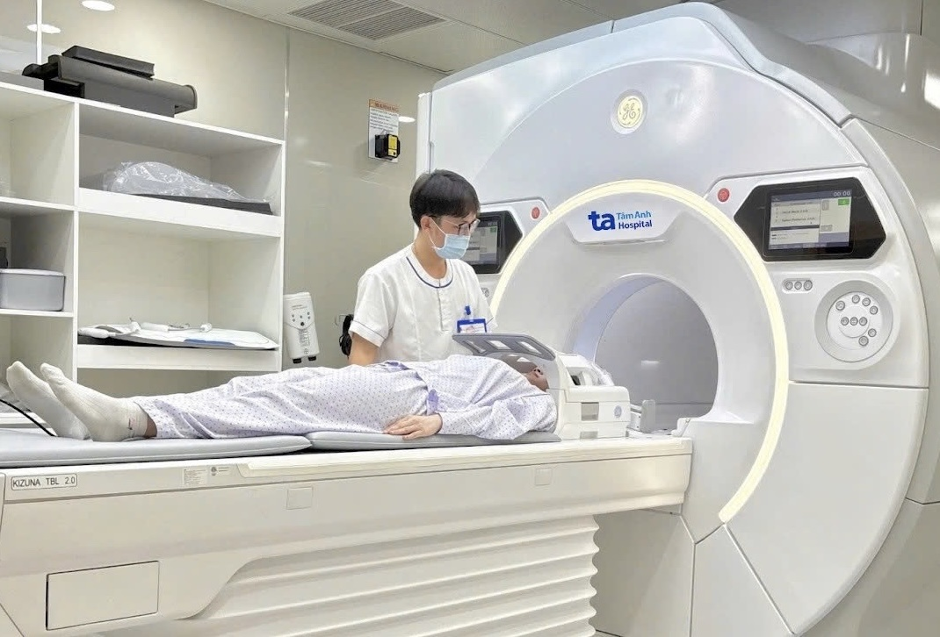 |
3 Tesla MRI scanning helps screen for and detect early vascular abnormalities, preventing stroke risk in the cold season. Photo: Tam Anh General Hospital |
3 Tesla MRI scanning helps screen for and detect early vascular abnormalities, preventing stroke risk in the cold season. Photo: Tam Anh General Hospital
Doctor Khanh advises everyone to stay warm, monitor blood pressure regularly, and avoid sudden changes in daily activities during cold days. If abnormal signs appear, such as facial droop, limb weakness, speech disturbance, or severe headache, it is crucial to seek immediate medical attention at a healthcare facility capable of treating stroke.
Trong Nghia
| Readers can send questions about neurological diseases here for doctors to answer. |