On the evening of 8/1, Nam Dinh General Hospital admitted six patients from the same family, diagnosed with food poisoning. They had been transferred from Hai Hau General Hospital, presenting with nausea, abdominal pain, and dizziness, with some in severe condition.
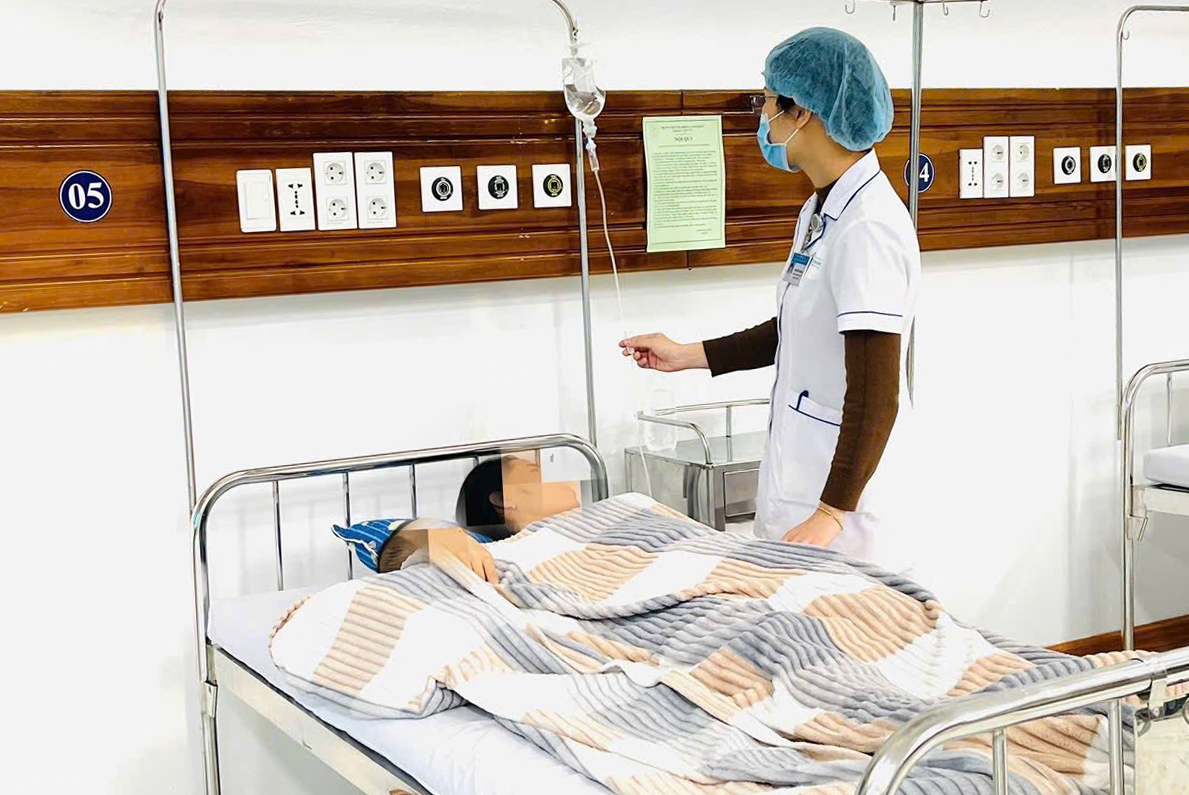 |
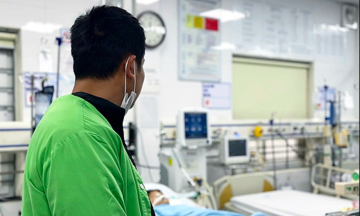
One of the poisoning patients receiving treatment at Nam Dinh General Hospital. Photo: The hospital |
Relatives reported that the family had previously used jicama seeds, harvested from their garden, to prepare food. Doctors at Nam Dinh General Hospital transferred two patients in a deep coma to Bach Mai Hospital. The remaining four patients were treated in the Emergency Department, reported to be conscious, responsive, and with stable vital signs.
Jicama is a common food, with its tuber primarily eaten raw or prepared in various dishes. While the tuber is considered cooling and benign, its fruit and seeds contain rotenone, a potent neurotoxin. This toxin is used as a pesticide and fish killer, capable of directly affecting the nervous system and digestive tract. According to doctors, consuming even a small amount of jicama seeds can cause severe poisoning.
Jicama seed poisoning typically begins 30 minutes to one hour after consumption, with symptoms including nausea, severe vomiting, abdominal pain, dizziness, and headache. Severe cases can lead to convulsions, altered consciousness, coma, or even death.
Doctors at Nam Dinh General Hospital advise the public to absolutely avoid eating jicama fruit or seeds in any form and to prevent children from touching or tasting them. When growing jicama at home, properly collect and dispose of the seeds, keeping them out of living areas. If poisoning is suspected, quickly take the patient to the nearest medical facility and do not attempt self-treatment at home.
Le Hoang