Answer:
Pregnancy significantly impacts the pelvic floor. The growing uterus and substantial fetal weight continuously pressure the pelvic floor muscles and ligaments. Typically, the pelvic floor supports a fetus weighing about 3.2 kg, though some cases involve 4-5 kg. Childbirth further stretches and damages these pelvic floor muscles.
Today, numerous methods are available for postpartum pelvic floor recovery. These approaches aim to improve the coordinated function of vaginal muscles and alleviate urinary and fecal incontinence.
The laser method involves gradually increasing heat to 40-60 degrees Celsius, which attracts fibroblast cells. This process helps reconstruct loose cellular structures and boosts collagen production. A treatment course typically consists of three consecutive sessions, leading to rejuvenation and regeneration of the external vaginal area. Collagen is restructured, becoming firmer. The circumference of the area can narrow by about 1-1.5 cm, with the tightening effect lasting for 1-1.5 years.
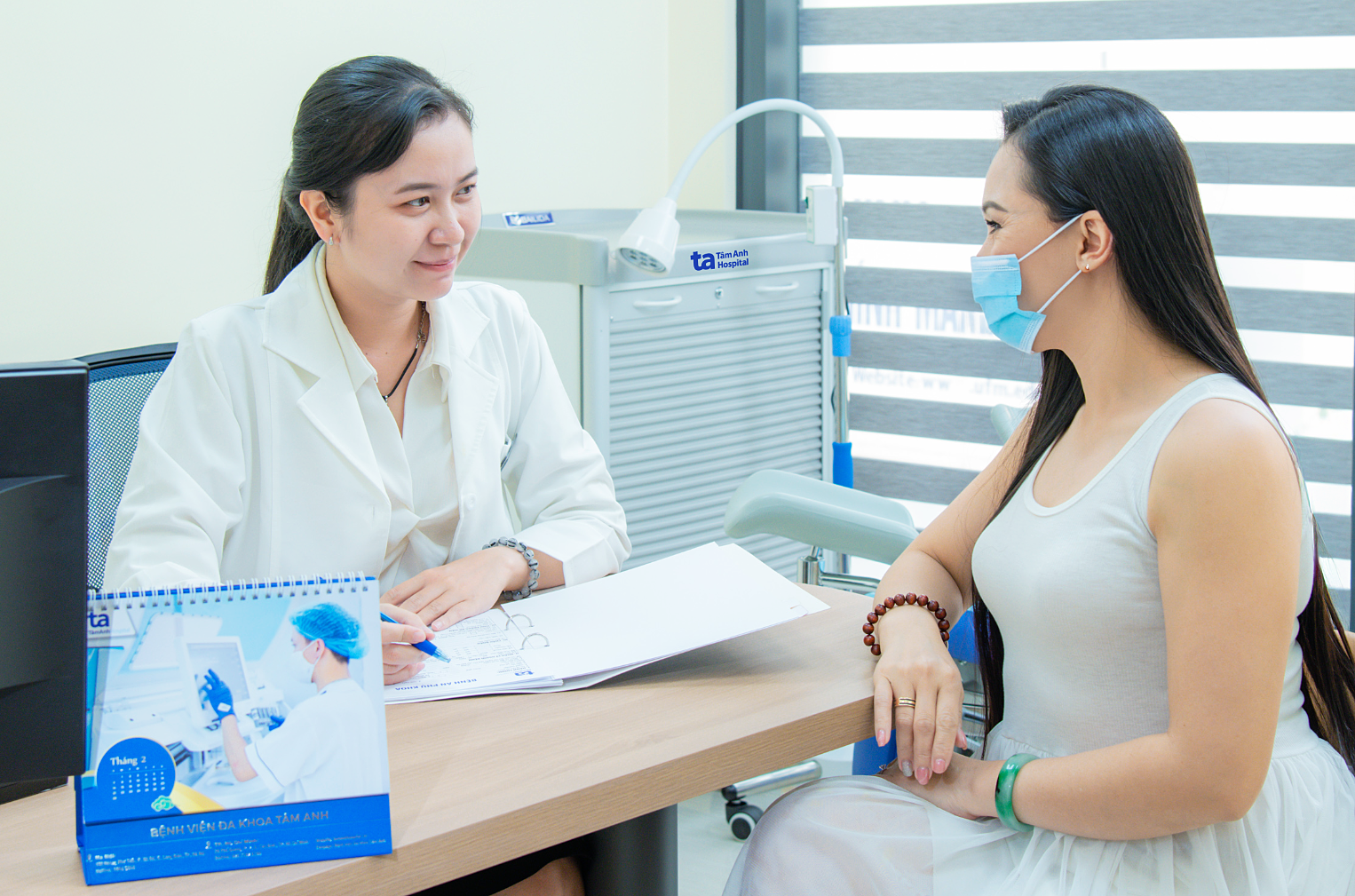 |
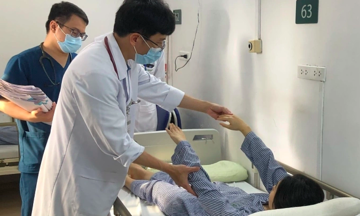
A doctor advises on pelvic floor protection for postpartum women. Photo: Tam Anh Hospital |
A doctor advises on pelvic floor protection for postpartum women. Photo: Tam Anh Hospital
Physical therapy is another option. Women should begin pelvic floor muscle exercises soon after birth. However, self-practice often yields limited recovery. Therefore, women should consider guided exercises with specialized equipment. These machines record the patient's muscle contractions during therapy, displaying them on a screen. This allows the doctor to monitor and adjust the intensity and rhythm appropriately.
Vaginal canal narrowing surgery is a procedure doctors recommend when patients do not respond to pelvic floor exercises or laser therapy. Women who do not plan to have more children may choose this method. This surgery also corrects genital defects, regenerates the pelvic floor area, and partially reduces postpartum bladder and rectal prolapse.
In your case, with an estimated baby weight of almost 4 kg, a vaginal birth could potentially damage the pelvic floor. Therefore, after birth, you should perform Kegel exercises to strengthen pelvic floor recovery. A postpartum follow-up appointment is essential for a doctor to assess the extent of the impact and recommend suitable methods.
Doctor Nguyen Ba My Nhi, Specialist II
Director, Center for Obstetrics and Gynecology
Tam Anh General Hospital, Ho Chi Minh City
| Readers can submit questions about obstetrics and gynecology here for doctors to answer |