On 10/1, doctors at Hung Vuong General Hospital reported a three-year-old boy was diagnosed with metastatic testicular cancer, which had spread to his liver and lungs. The diagnosis followed an extended period of abdominal pain, during which his family, residing in a remote area, faced challenges accessing medical care and screening. By the time he was admitted, a large tumor was compressing his kidney. The cancer originated from an undescended testicle, which had remained in his abdominal cavity since birth and developed silently without clear symptoms during his early years.
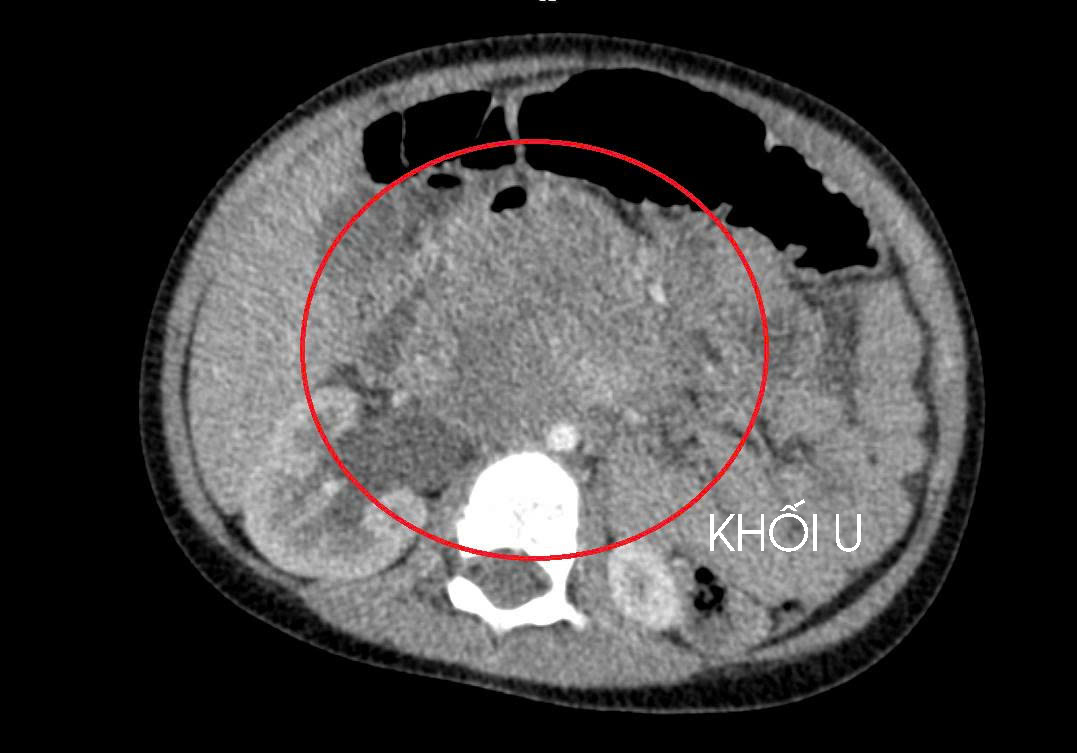 |
A large tumor, compressing the kidney and metastasized. Photo: _Hospital provided_
Testicular cancer, though uncommon, is a dangerous condition characterized by the development of a malignant tumor in one of the two testicles. It accounts for approximately 1% of male cancer cases and 5% of genitourinary cancers. A primary risk factor for testicular cancer is an undescended testicle. According to statistics, about 25% to 40% of testicular cancer cases are linked to this condition.
Early detection significantly improves the success rate of treatment for testicular cancer. The 5-year survival rate for patients in stage one is 98%, dropping to 95% in stage II, and a mere 6% in stage III. Patients with lymph node metastasis face a poorer prognosis, which worsens with the extent of lymph node involvement.
Doctors recommend that men experiencing any testicular abnormalities, such as pain, discomfort, or a palpable mass, seek early medical examination for timely diagnosis and treatment. This is crucial to prevent severe long-term health consequences. Furthermore, parents should closely monitor their children's health, especially their reproductive health, as adolescents and young adults often hesitate to discuss these sensitive issues.
Thuy An