While many are aware that a high-salt diet harms kidneys, fewer realize that common daily foods often conceal significant amounts of sodium, sugar, and fat.
Nutritionist Chen Wei from Taiwan, China, recently highlighted five food groups that pose the greatest risk to kidney health. She emphasized that while absolute abstinence is not required, regular consumption can significantly strain the kidneys.
Mi an lien
Instant noodles present a "three-in-one combo" of disadvantages: high sodium, high fat, and abundant phosphate salts. The accompanying seasoning and oil packets are particularly concerning. Chen Wei describes this as the food kidneys fear most.
Chen Wei warns that one packet of instant noodles can significantly contribute to the daily recommended sodium intake, with the risk increasing further if the broth is fully consumed. To mitigate these effects, individuals should limit how often they eat instant noodles, use less seasoning, avoid drinking all the broth, and add green vegetables and eggs for better nutritional balance.
Do uong co duong
Beyond their high sugar content, some carbonated soft drinks also contain phosphoric acid. Excessive, long-term consumption leads to sugar overload and adds a metabolic burden on the kidneys.
Frequent intake of sugary beverages can lead to excess calories, increasing the risk of obesity, diabetes, and other metabolic disorders. Diabetes, in particular, is a primary risk factor for chronic kidney disease.
Thuc pham chien ran nhieu dau mo
Fried chicken, french fries, and other battered fried foods are also a concern. Chen Wei noted that these items are not only high in fat, but their seasoned coatings often contain substantial sodium. Regular consumption places a metabolic strain on the kidneys and elevates the risk of obesity and high blood pressure.
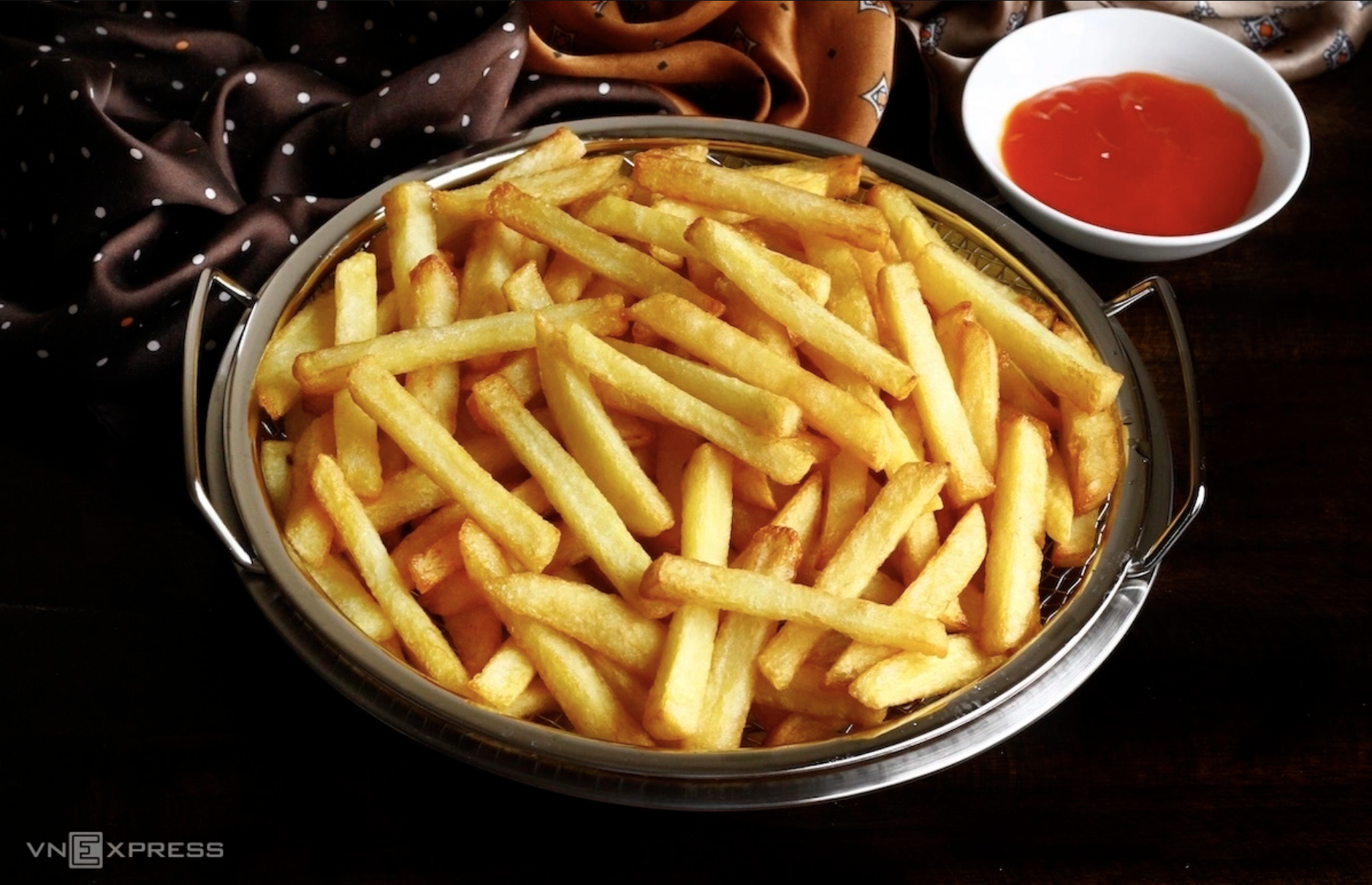 |
Fried foods often contain high fat content, and their seasoned coatings can add significant sodium. *Bui Thuy* |
Do an vat che bien san
Popular processed snacks like potato chips and crackers, despite their small size, contain significant sodium. Their convenient size and ease of continuous consumption often lead to unwitting overconsumption.
Chen Wei cautions that unlike sweets, snacks do not always trigger an immediate "guilty" feeling", making it easy for individuals to lose track of how much they consume. This habit, over time, can increase the burden on both the body and the kidneys.
Thuc pham dong hop
Canned foods offer convenience for storage and quick meals. However, to extend shelf life and boost flavor, many contain significant amounts of salt, seasonings, and additives. Prolonged consumption of high-sodium foods negatively impacts kidney function. Therefore, consumers should carefully review nutrition labels when purchasing canned goods to prevent excessive salt and sodium intake.
Despite these warnings, Chen Wei stresses that these foods are not "entirely off-limits". The crucial factors are quantity and frequency. Occasional consumption will not immediately harm the kidneys. However, if sodium-rich, fatty, and sugary processed foods become a daily habit, the body, particularly the kidneys, will face a substantial burden.
To maintain healthy kidneys, controlling salt intake is crucial, alongside prioritizing natural, unprocessed foods and a balanced diet.
My Y (Source: Yahoo TW)