Walnuts are a rich source of alpha-linolenic acid (ALA), a plant-based omega-3. According to Eating Well, this essential fatty acid is not produced by the body and must be obtained through diet.
Omega-3 supports cardiovascular health by reducing inflammation in the body and helps maintain healthy blood pressure and triglyceride levels. Regular intake of omega-3, as part of a balanced diet, also protects blood vessel walls and supports circulatory system function.
Walnuts aid in cholesterol management due to their high content of polyunsaturated fats, fiber, and phytosterols. Replacing foods rich in saturated fats with a serving of walnuts contributes to maintaining healthy low-density lipoprotein (LDL) cholesterol levels. The fiber in walnuts also helps reduce cholesterol absorption in the intestines, potentially balancing blood lipid levels when combined with a healthy diet.
Beyond healthy fats, walnuts are rich in polyphenols, a group of plant compounds with antioxidant properties. These compounds help protect cells from free radical damage and limit injury to blood vessel walls, safeguarding against oxidative stress.
Walnuts also provide L-arginine, an amino acid involved in nitric oxide production. Nitric oxide helps blood vessels dilate, supporting blood flow and maintaining overall cardiovascular function.
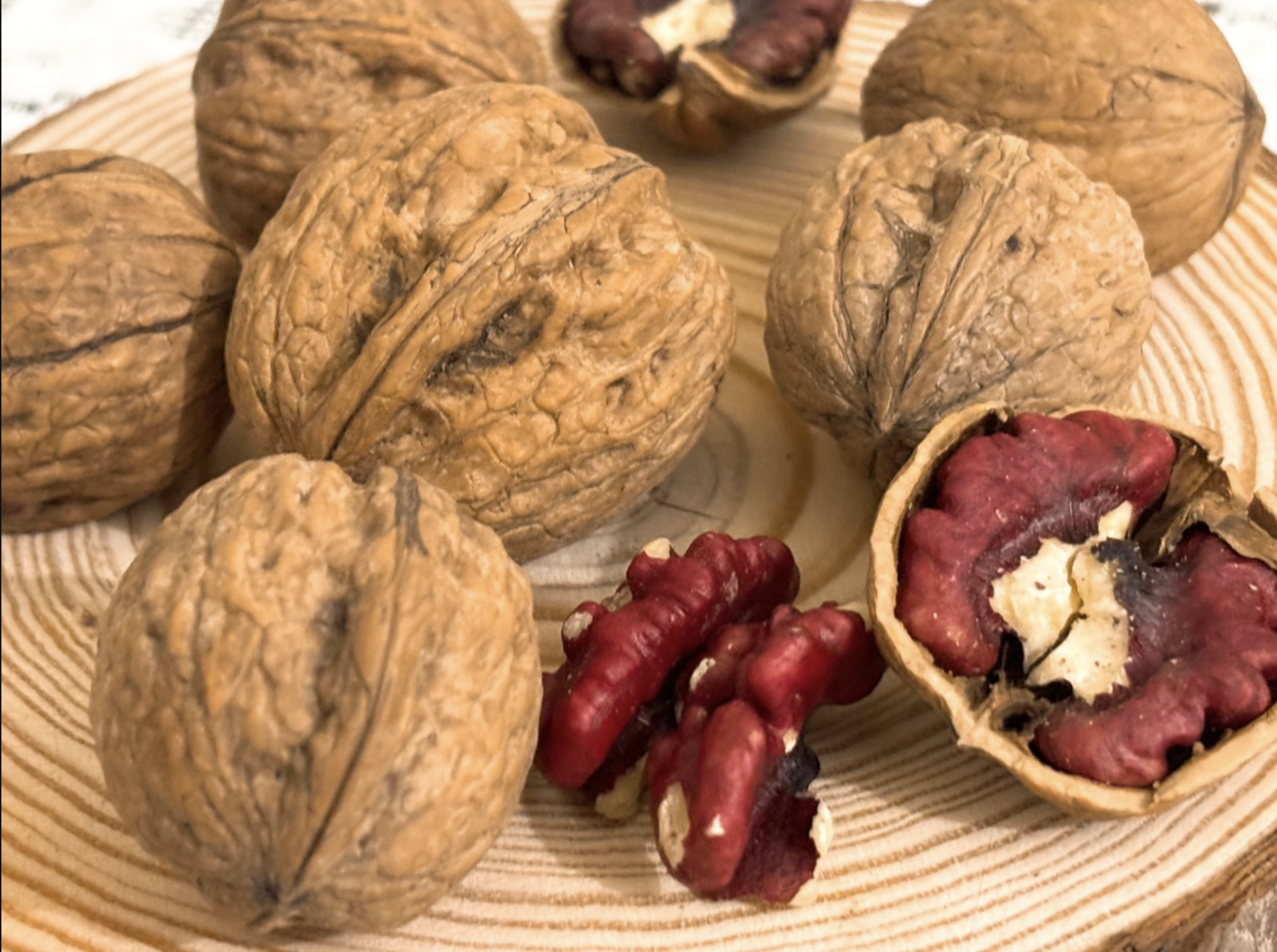 |
Eating walnuts is good for heart health. *Bao Bao* |
Walnuts contribute to better sleep as they contain natural melatonin, a hormone that regulates the body's sleep-wake cycle. Additionally, walnuts provide two nutrients, tryptophan and magnesium, associated with relaxation and sleep maintenance. According to the Times of India, sufficient and deep sleep helps regulate blood pressure, reduce stress, and supports the cardiovascular system's recovery after a day's activity.
While nutritious, walnuts are calorie-dense, so excessive consumption in the evening is not recommended. A suitable portion for a pre-sleep snack is about 25-30 g, which is roughly a small handful.
You can eat walnuts directly or combine them with plain yogurt, oats, or fruit to boost their nutritional value. Avoid heavily salted or sugared roasted walnuts, as these may diminish the cardiovascular benefits.
By Le Nguyen (Compiled).
| Readers can submit questions about cardiovascular disease here for doctors to answer. |