Many families have a habit of using one type of cooking oil for everything from frying and stir-frying to salad dressing. However, choosing the wrong oil for high-temperature cooking not only diminishes nutrients but also creates compounds harmful to health.
Many believe all vegetable oils are healthy and can be used interchangeably. In reality, each oil suits a specific cooking method. Misuse can severely reduce nutritional value and, at high temperatures, produce harmful substances, increasing health risks.
According to nutrition experts, selecting the right oil for each cooking method is more crucial than considering only price or brand.
Top three expert-recommended cooking oils
Nutrition expert Shi Xin from Resun Neihu Clinic, Taiwan, China, suggests that for daily home cooking, the three most valuable oils are camellia oil (tea seed oil), avocado oil, and olive oil.
These three oils offer high thermal stability and are suitable for medium to high-temperature cooking, like typical stir-frying. Camellia oil contains tea polyphenols, while olive oil is rich in olive polyphenols; both are potent antioxidants, ideal for daily use.
Recently, there has been growing interest in high oleic sunflower oil.
Expert Shi Xin clarifies that high oleic sunflower oil is an enhanced version of traditional sunflower oil. Traditional sunflower oil has a high omega-6 content. This improved version increases monounsaturated omega-9 fatty acids while reducing omega-6 content to about 10%. This significantly improves its heat resistance, making it an affordable and versatile option for families.
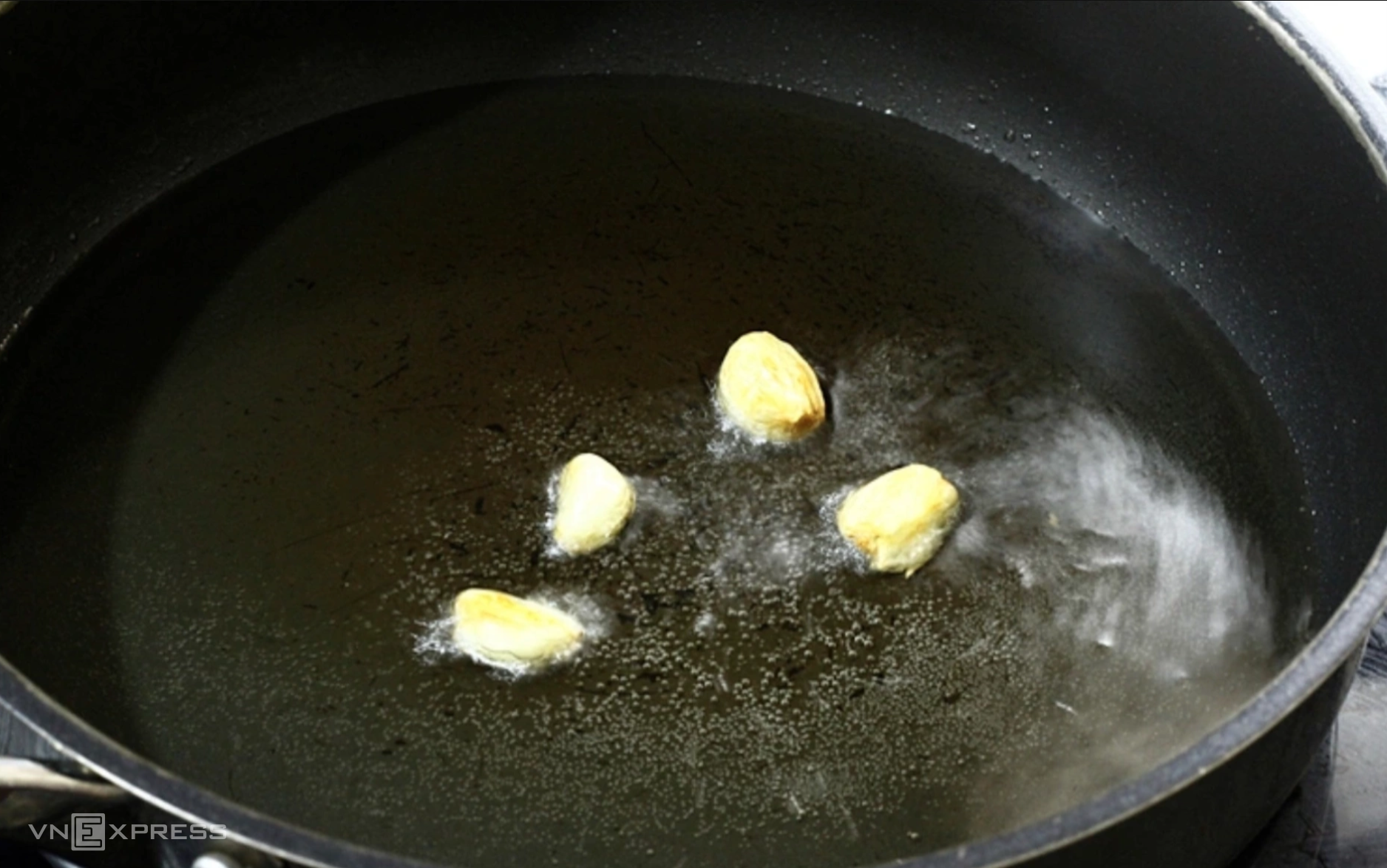 |
Avoid using one type of cooking oil for all preparation methods. Illustration: Bui Thuy |
Identifying oils requiring caution
Regarding popular online trends like using coconut oil or drinking Bulletproof coffee, expert Shi Xin issues a warning: Coconut oil contains approximately 70-80% saturated fat. Individuals with a history of cardiovascular disease, high blood lipids, or high cholesterol should strictly avoid consuming large quantities, as this increases the risk of events like myocardial infarction.
While lard has high heat resistance, it should be used in moderation. Vegetable or animal butter, having a relatively low smoke point, is unsuitable for high-temperature frying or stir-frying, as it can degrade when heated.
The "two bottle" principle for the home kitchen
Using a single bottle of oil for everything from stir-frying vegetables and frying meat to dressing salads is not ideal. Experts recommend that each family keep at least two types of cooking oil:
First bottle (for high temperatures): Use for frying, stir-frying, and deep-frying. Prioritize oils with high thermal stability such as camellia oil, avocado oil, or high oleic sunflower oil.
Second bottle (for low temperatures/direct consumption): Use for salad dressings or low-temperature cooking. Optimal choices include extra virgin cold-pressed olive oil or flaxseed oil.
This classification helps preserve the inherent nutritional value of each fat group.
Expert Shi Xin specifically advises: If oil begins to smoke during cooking, it means the temperature has surpassed that oil's smoke point. At this stage, the oil's quality severely declines and can produce acrolein, a toxic substance detrimental to health. Therefore, never wait for oil to smoke before adding food to the pan.
Finally, regardless of the oil's quality, controlling the quantity used is crucial. Ideally, purchase oil bottles with a capacity sufficient for one to two months of use. Avoiding prolonged storage prevents oxidation and degradation, ensuring healthy eating and peace of mind for the entire family.
My Y (According to HK01)