Lee Ri-ryu (Li Liliu), a South Korean social media influencer, recently shared a weight loss secret that has garnered significant attention online. She revealed losing 13 kg, dropping from 56 kg to 43 kg, not through strict dieting or intense exercise, but by consistently drinking 5-6 glasses of warm water daily. This seemingly simple habit is widely regarded as an easy-to-follow weight loss method with minimal risk of abandonment. However, is the warm water weight loss method truly as miraculous as it seems?
Lee stated that after maintaining her daily warm water habit, she felt lighter and experienced a noticeable improvement in her metabolism. Theoretically, drinking warm water helps elevate the body's core temperature. When body temperature rises slightly, the body expends more energy to maintain equilibrium, thereby increasing calorie expenditure. Additionally, warm water supports blood circulation and metabolic processes, causes less stomach irritation than iced water, and promotes satiety, which helps reduce cravings and unnecessary snacking.
To maximize the effectiveness of the warm water weight loss method, timing is crucial. The recommended intake is approximately 300 ml of warm water on an empty stomach immediately after waking up to stimulate the digestive system and kickstart metabolism. Drinking an additional glass of warm water 30 minutes before meals can enhance satiety and prevent excessive calorie intake. Furthermore, if fatigue or sweet cravings strike in the afternoon, a glass of warm water can completely replace a sweetened tea or dessert. According to Lee, maintaining an intake of 5 to 6 glasses daily is the easiest rhythm to sustain long-term.
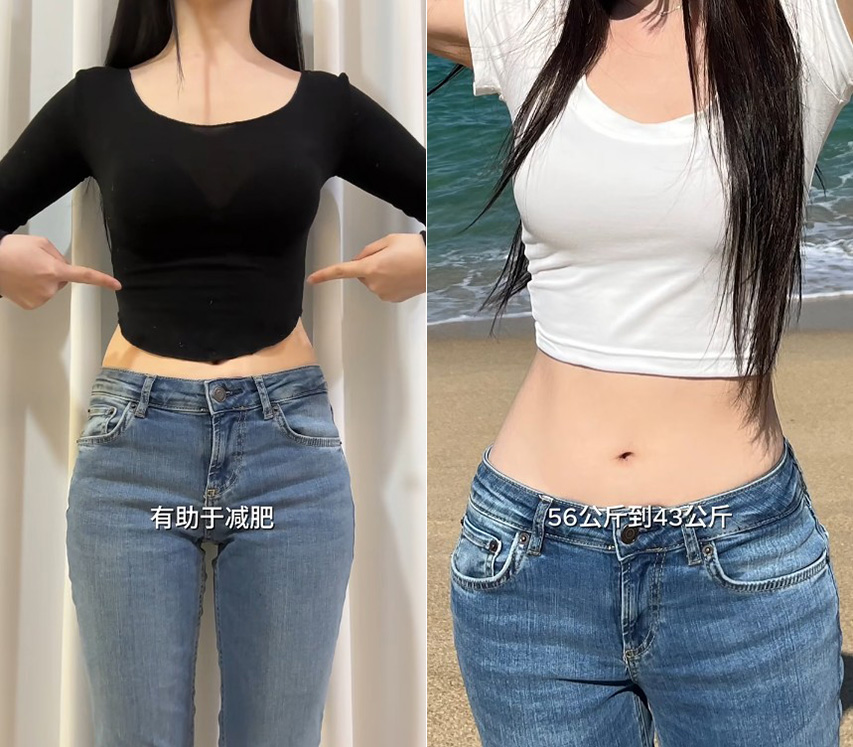 |
Lee Ri-ryu (Li Liliu)'s account shares a warm water weight loss menu in a social media video. Video: Li Liliu/Xiaohongshu |
She reported successfully losing 13 kg by consistently drinking warm water combined with a normal diet. Many who adopted the warm water weight loss method also claimed improved digestive function, significant reduction in water retention, and even enhanced skin after a period.
Despite the warm water trend spreading as a simple health habit, experts assert that the actual effectiveness of this method is being exaggerated. In an article on The Conversation, Professor Lauren Ball from the University of Queensland (Australia) stated that there is currently a lack of scientific evidence confirming warm water offers unique health benefits compared to cool or cold water.
Contrary to rumors about its ability to "burn excess fat", no research has proven that water temperature can directly reduce body fat. Furthermore, claims that drinking warm water aids "detoxification" or improves skin lack scientific basis, as the liver and kidneys are responsible for waste elimination. Experts emphasize that any weight loss benefits from this method are primarily indirect, stemming from filling the stomach, reducing appetite, and limiting calorie-rich beverage intake.
Drinking warm water is a healthy habit that supports mental relaxation and helps maintain hydration. However, viewing warm water as a "miracle cure" for weight loss or disease is unrealistic. When adopting this habit, users should avoid excessive consumption, balancing intake according to their weight, physical condition, and activity level to prevent stressing the excretory system.
Water temperature should be maintained between 40°C and 50°C, avoiding excessively hot water that could damage the oral cavity and esophageal lining. Ultimately, sustainable weight management does not depend on water temperature but on adequate daily fluid intake combined with a balanced diet, regular sleep, and moderate exercise.
Binh Minh (According to TVBS, ET News)