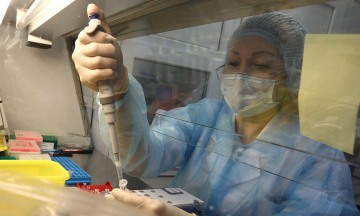
Associate Professor Doctor Nguyen Duy Thinh, former lecturer at the Institute of Biotechnology and Food Technology, Hanoi University of Science and Technology, highlights how ambient temperatures create favorable conditions for bacteria to grow on protein-rich foods such as meat, fish, and seafood. When frozen food is removed from the freezer, its outer layer thaws first while the inner portion remains frozen. The food surface quickly reaches a temperature conducive to bacterial growth.
Between 5 and 60 degrees Celsius, pathogenic bacteria on food multiply rapidly, a range experts call the "danger zone". Leaving meat at room temperature for too long turns its surface into an ideal environment for bacteria to proliferate. Pathogenic bacteria like Salmonella, E.coli, and Listeria can increase quickly, posing a significant risk of food poisoning. Consuming contaminated food commonly leads to symptoms such as abdominal pain, nausea, vomiting, and diarrhea. Severe cases can result in dangerous complications, affecting multiple organs.
Safe thawing methods
If immediate preparation is not required, thawing in the refrigerator's chill compartment is the safest and most recommended method. This approach maintains a consistently low temperature throughout the thawing process, inhibiting bacterial growth and reducing cross-contamination. Transfer food from the freezer to the refrigerator's chill compartment before preparation. Place it in a sealed container, plate, or bag to prevent meat juices from dripping and contaminating other foods in the refrigerator. While more time-consuming than thawing at room temperature, this method allows thawed food to be safely refrigerated for a certain period if not used immediately, depending on its type and storage conditions.
For quicker thawing, submerging frozen food in cold water is an option, but it demands careful control. The food must be kept in a sealed, waterproof bag or packaging to prevent leakage and contamination. Place the entire food package into a clean container and submerge it in cold water. The cold water thawing process should not exceed two hours, including any prior exposure to the danger zone. Exceeding this limit significantly increases food safety risks. Always thoroughly clean all thawing utensils after use to prevent bacterial cross-contamination to other foods.
 |
Illustration: Ngoc Anh
For immediate cooking, a microwave oven offers the fastest thawing. However, this method requires precision. Without proper adjustment, the microwave can heat locally, potentially altering the outer structure or even partially cooking the food, while the inside remains frozen. Users must select appropriate time and power settings based on the food's size, weight, and type. Food thawed in a microwave must be cooked immediately and not left at room temperature.
Placing frozen meat directly into hot water or hot oil to speed up thawing is strongly discouraged. High temperatures rapidly heat the exterior, while the core remains frozen. This temperature difference not only degrades the food's sensory quality but, more critically, creates an ideal surface environment for rapid bacterial growth if the food is then left out.
The fundamental principle for safe thawing is to minimize the time food spends in the bacterial growth temperature range. Home cooks should select a thawing method that aligns with their meal preparation schedule. During the process, maintain sealed packaging, prevent raw meat juices from contacting other foods, and ensure all utensils are cleaned. Proper thawing not only preserves meat quality but also significantly reduces the risk of bacterial contamination in the family kitchen.