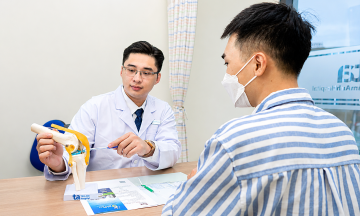
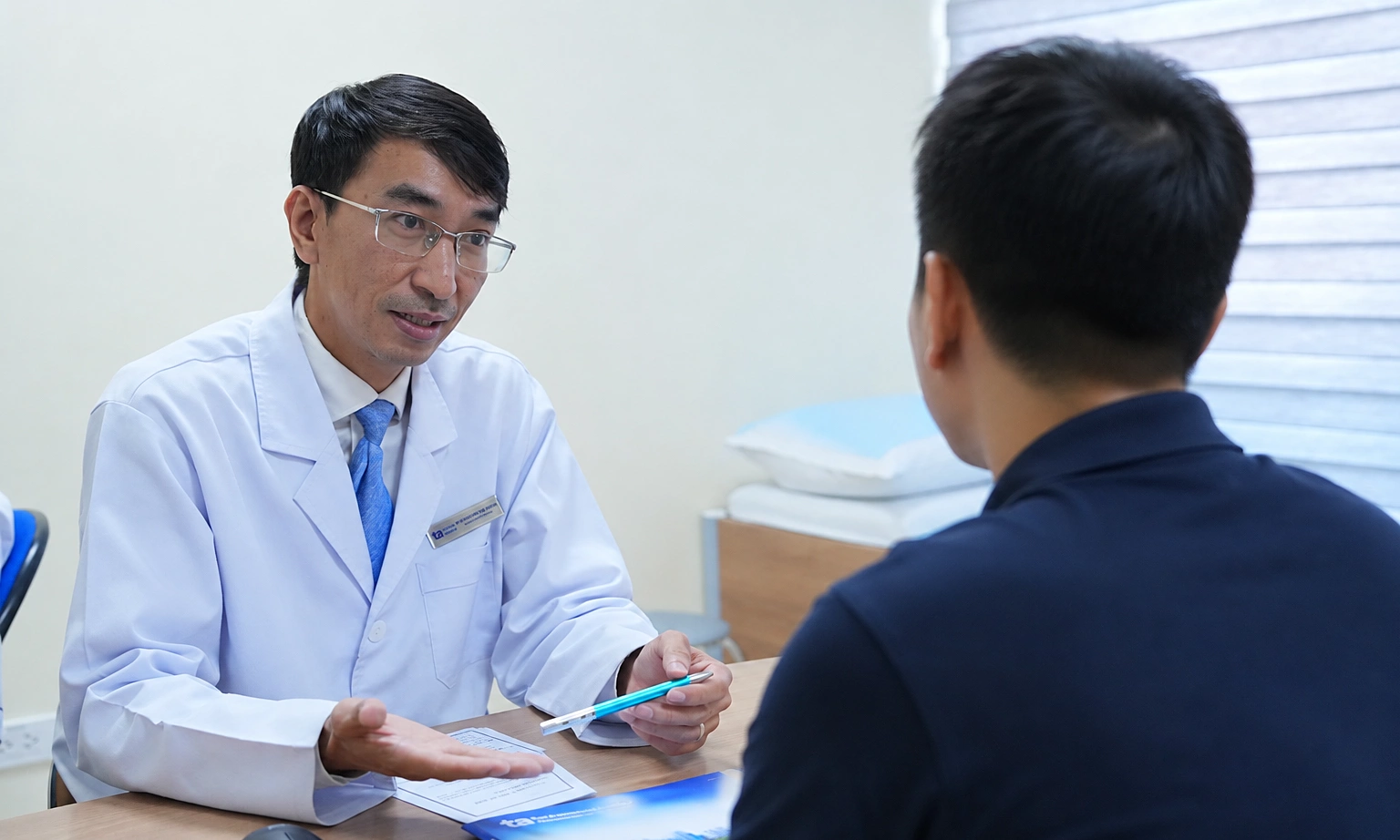
Hanh, whose first daughter is 8 years old, has been trying to have a second child for 5 years without success. Doctor Le Xuan Nguyen from the Center for Reproductive Assistance at Tam Anh General Hospital, Ho Chi Minh City (IVF Tam Anh Ho Chi Minh City), stated that Hanh's case is secondary infertility. This means she previously conceived or gave birth but has since been unable to become pregnant again, despite regular intercourse and no contraception. While some couples conceive naturally with ease, reproductive health for both men and women can change over time.
Examinations and ultrasounds revealed that Hanh suffers from polycystic ovary syndrome, which causes ovulatory dysfunction, leading to irregular egg release and reducing her chances of natural conception. Additionally, her husband's sperm count was mildly low. Doctor Nguyen advised them to pursue in vitro fertilization (IVF) to expand their family.
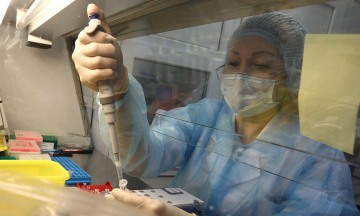
Hanh underwent ovarian stimulation, from which 10 eggs were retrieved. Her husband's sperm was processed, with healthy samples selected for fertilization. They produced 7 embryos, which were cultured in an AI-integrated Time-lapse system. This system continuously monitored the embryos, aiding in the selection of those with high implantation potential. The process yielded 6 good quality day 5 embryos and one day 6 embryo.
 |
The AI-integrated Time-lapse embryo culture system in an ISO 5 lab facilitates optimal embryo development and selection of embryos with high implantation potential. *Photo: IVF Tam Anh*
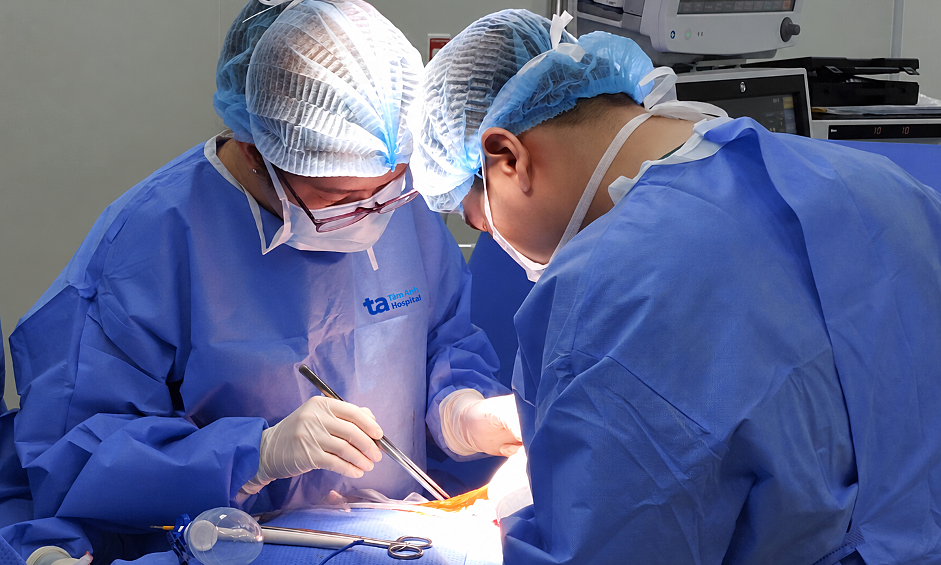
Before embryo transfer, Doctor Nguyen performed an ultrasound to examine the uterine cavity, revealing that Hanh had endometriosis. This condition involves tissue similar to the endometrial lining growing outside the uterus. These lesions are affected by hormones during the menstrual cycle, causing localized inflammation, bleeding, and the formation of scar tissue and adhesions. This condition can impede the egg from meeting sperm and also negatively impact the uterine environment for embryo implantation.
Hanh received endometriosis suppression treatment for 3 weeks. Subsequently, Doctor Nguyen transferred one good quality day 5 embryo into her uterine cavity, leading to a successful pregnancy on the first attempt. The couple welcomed their second child, born at 38 weeks gestation and weighing 2,9 kg. They also have 5 good quality embryos cryopreserved for future family planning.
 |
Hanh's son was born healthy after 5 years of waiting. *Photo: Provided by subject*
In Vietnam, secondary infertility accounts for over 50% of all infertility cases. Doctor Nguyen noted that a couple's history of easy conception does not guarantee preserved reproductive function over time. For women over 35, both the quantity and quality of eggs decline rapidly, increasing the risk of chromosomal abnormalities in embryos and miscarriage. In men, sperm quantity and quality can also decrease with age, illness, lifestyle, and work environment. Women may also develop conditions such as endometriosis, fibroids, or uterine adhesions, or experience damage after childbirth or obstetric interventions, all of which can hinder sperm-egg interaction or affect embryo implantation.
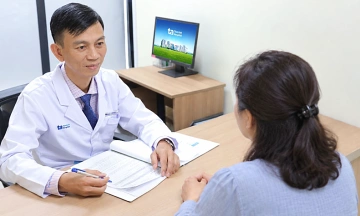
Doctor Nguyen advises couples to seek medical consultation if they have not conceived after 12 months of regular, unprotected intercourse. Women over 35 should consult a specialist after 6 months of trying. Individuals with a history of gynecological conditions, pelvic surgery, or other risk factors affecting fertility should seek earlier evaluation. Those who are not yet planning to have children should consider egg or sperm freezing to preserve their reproductive potential.
Nguyet Nhi
*Character's name has been changed
| Readers can submit questions about infertility here for doctors to answer |