The patient's NIHSS score was 22 points, indicating a severe stroke. The NIHSS is a stroke assessment scale ranging from 0 to 42 points, with higher scores signifying more severe neurological damage. Tam Anh General Hospital, Ho Chi Minh City, activated its "stroke code" emergency protocol. Dr. Duong Pham Van Thanh from the Emergency Department, along with neurologists, collaborated to minimize the time taken for emergency treatment.
Magnetic resonance imaging (MRI) revealed no cerebral hemorrhage, allowing doctors to rule out hemorrhagic stroke. The patient was immediately administered fibrinolytic drugs to dissolve the blood clot obstructing cerebral arteries. Any delay could lead to irreversible necrosis in the ischemic brain region, increasing the patient's risk of death or severe complications such as paralysis, and loss of motor and communication abilities.
 |
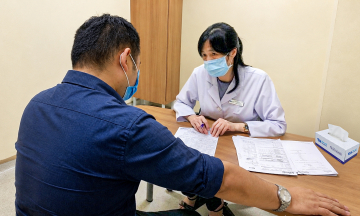
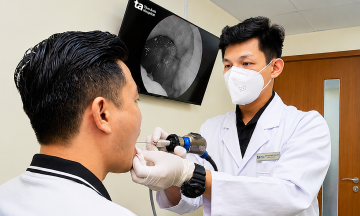
Dr. Thanh examines Ms. Lan. Photo: Tam Anh General Hospital |
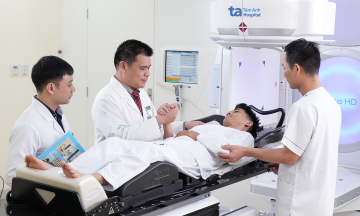
Ms. Lan also underwent thrombectomy to restore blood flow to her brain and reduce the risk of lasting sequelae. The entire process, from hospital admission to fibrinolytic drug administration, took only 30 minutes. Within 24 hours, the patient regained consciousness, showed improved limb movement, and experienced reduced speech difficulties.
According to Dr. Thanh, the first 4-5 hours after stroke symptom onset are considered the "golden hour" for considering fibrinolytic drug use to dissolve blood clots obstructing cerebral arteries. Early arrival at a medical facility significantly increases the chance of survival and reduces the risk of severe complications.
Doctors recommend regular health check-ups and effective management of risk factors such as high blood pressure, diabetes, dyslipidemia, smoking, or alcohol abuse. Maintaining a healthy lifestyle and limiting prolonged stress are also advised.
If suspicious stroke symptoms appear, such as facial drooping, limb weakness or paralysis, difficulty speaking, severe headache, or sudden loss of balance, patients should immediately seek care at a medical facility specializing in stroke emergencies. Prompt intervention can reduce the risk of death and severe complications.
Nhu Ngoc
* Patient's name has been changed
| Readers can submit questions about neurological diseases here for doctors to answer |