While working on a construction site, a 38-year-old man in Ho Chi Minh City began to feel chest tightness and shortness of breath. He initially dismissed it as common fatigue due to fluctuating temperatures at work and tried to endure it. Only when the severe chest pain persisted, accompanied by sweating and numb limbs, did he seek emergency care at Nhan Dan Gia Dinh Hospital.
Examinations revealed the patient had a heart attack and underwent emergency stent placement to reopen his coronary artery. The man disclosed a history of hypertension, which he did not manage with regular medication, and frequently smoked, drank alcohol, and stayed up late. Following this health crisis, he intends to quit smoking, reduce alcohol intake, and adjust his lifestyle.
Another case involved a 48-year-old woman who sells lottery tickets in An Nhon Tay commune, Ho Chi Minh City. While working, she suddenly experienced chest pain and shortness of breath. She initially attributed it to fatigue and attempted to rest at home. As her symptoms worsened, her child took her to the hospital, where she was diagnosed with a heart attack and required urgent intervention.
Doctor Chau Do Truong Son, Deputy Head of the Department of Interventional Cardiology, reported that in the recent two weeks, the department admitted 24 heart attack cases from the emergency department and neighboring hospitals. Among these, 9 patients were under 50 years old, representing 38% of the cases, with most being of working age. Major hospitals in Hanoi are also observing an increasing number of younger heart attack patients.
According to Doctor Son, this trend indicates that heart attacks are no longer exclusively a disease of the elderly. Many young individuals are admitted in severe conditions, some even experiencing cardiogenic shock, cardiac arrest, or respiratory arrest, despite having no clear prior history of cardiovascular disease.
The increasing incidence of cardiovascular disease in younger populations is linked to factors such as smoking (including e-cigarettes), prolonged sleep deprivation, work pressure, physical inactivity, unhealthy eating habits, obesity, and uncontrolled underlying conditions like hypertension and diabetes.
"Prolonged work pressure, overwork, insufficient sleep, and chronic stress are silently escalating the risk of vascular damage in young people," Doctor Son stated. He added that many patients under 40 are hospitalized even though they previously considered themselves perfectly healthy.
A heart attack occurs when a coronary artery is suddenly blocked by a blood clot forming on an atherosclerotic plaque, leading to insufficient blood supply to the heart muscle. If not reopened promptly, the affected heart muscle tissue can necrose, potentially leading to heart failure or death.
 |
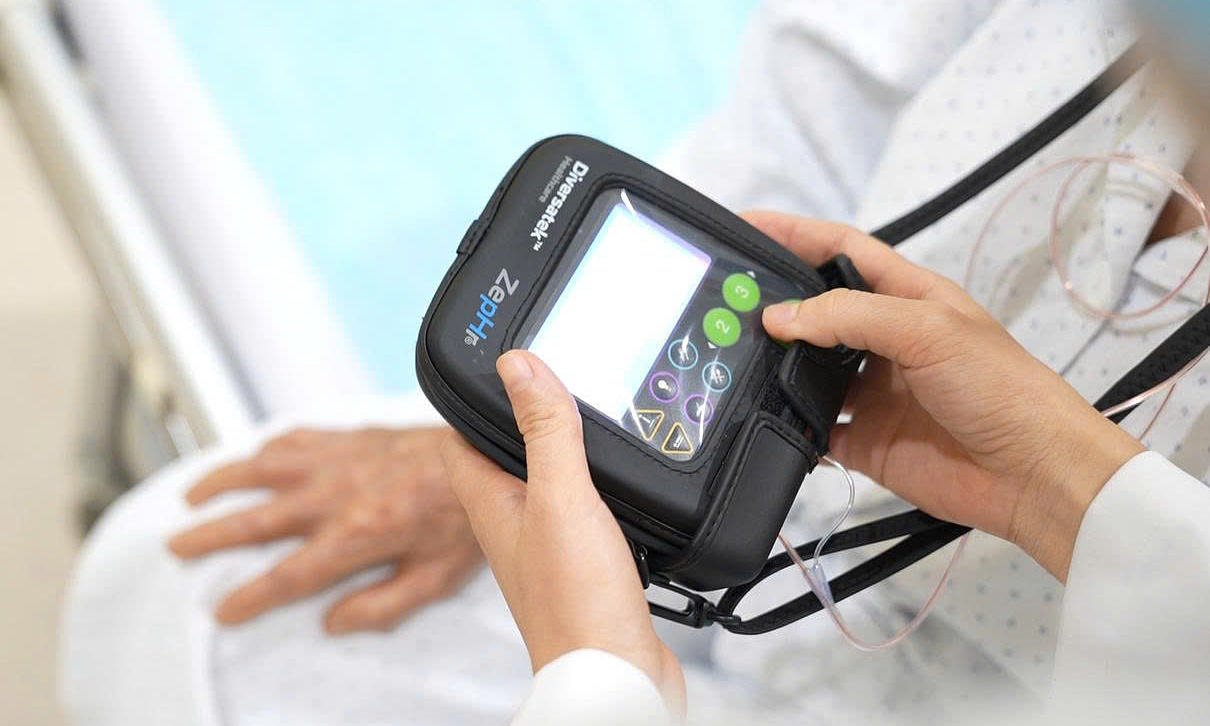
Heart attack patient receiving treatment at Nhan Dan Gia Dinh Hospital. *Photo: Hospital provided* |
Doctor Vo Hong Minh Cong, Deputy Director of Nhan Dan Gia Dinh Hospital, explained that a heart attack is a dangerous condition with a high mortality rate if not treated within the first hour. However, treatment is quite effective if patients arrive at the hospital early, allowing the exact location of the blocked coronary artery to be identified for intervention with stent placement or surgery when necessary.
"If patients arrive late, the prolonged lack of blood to the heart muscle will cause necrosis, and even if blood flow is restored, full heart function cannot be completely recovered," Doctor Cong warned. Therefore, people should seek emergency care immediately upon experiencing suspicious symptoms instead of waiting or monitoring themselves at home.
Doctor Nguyen Do Anh, Head of the Department of Interventional Cardiology, noted that most risk factors for heart attacks can be prevented or controlled with early detection and appropriate lifestyle changes. Individuals should quit smoking, including e-cigarettes, limit alcohol consumption, maintain a healthy diet, engage in at least 150 minutes of physical activity per week, get enough sleep, and manage stress. Those with hypertension, diabetes, dyslipidemia, or a family history of cardiovascular disease should undergo regular health check-ups to detect risks early.
Le Phuong