Green tea, rich in antioxidants, particularly catechins, supports heart health, brain function, and metabolism. However, consuming it at the wrong times may hinder the absorption of certain nutrients or disrupt sleep. Here are the times when you should limit your green tea intake.
During or immediately after iron-rich meals
According to Health, tannins and catechins in green tea can reduce the absorption of non-heme iron. This type of iron is primarily found in plant-based foods such as spinach, lentils, beans, tofu, and fortified cereals. Therefore, vegetarians, individuals with iron deficiency, or those at risk of anemia should avoid drinking green tea during or immediately after meals.
Experts recommend consuming green tea approximately one hour away from meals. Conversely, incorporating vitamin C-rich foods like broccoli, red bell peppers, oranges, grapefruit, or strawberries can help the body absorb iron more effectively.
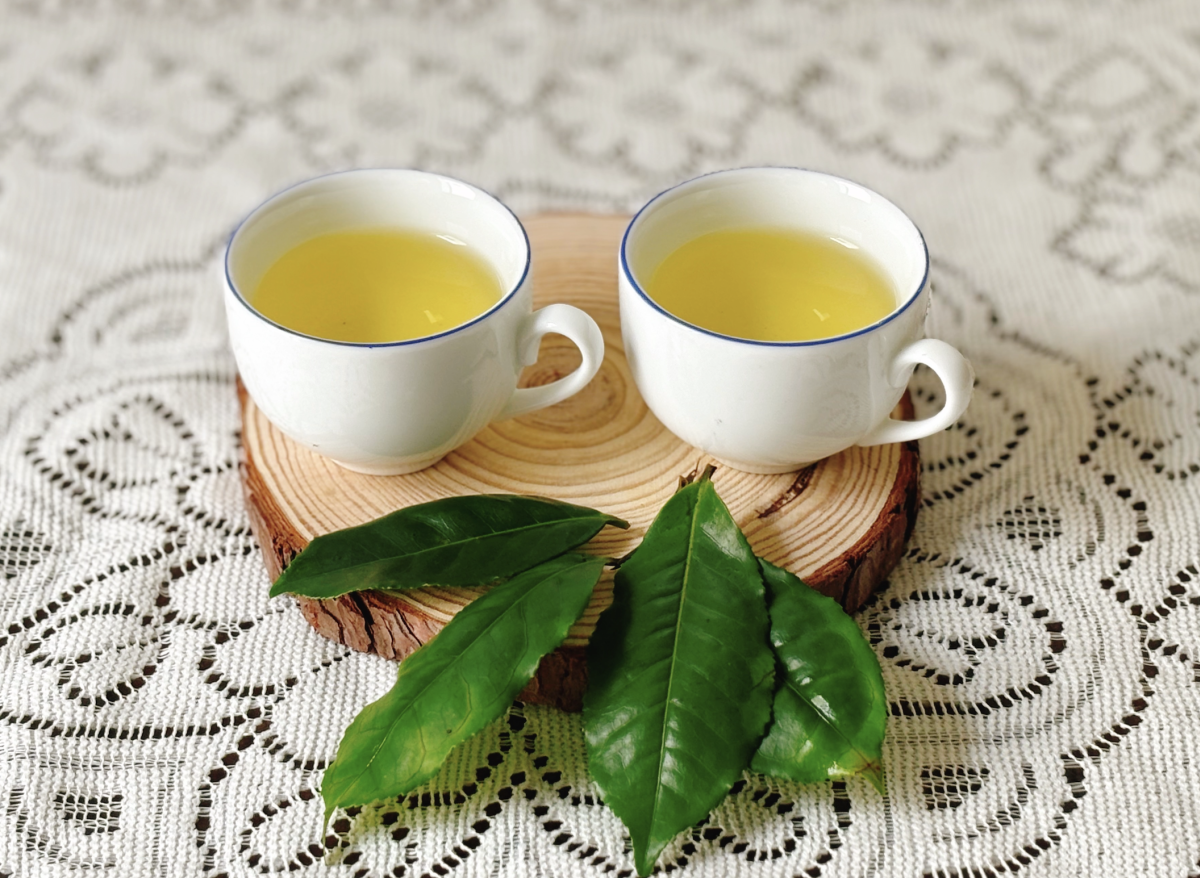 |
Green tea is rich in antioxidants. Photo: Bao Bao
Beyond affecting dietary iron, green tea can also reduce the efficacy of iron supplements. According to Verywell Health, polyphenols in green tea can bind with iron in the digestive tract, making it harder for the body to absorb this mineral. Consequently, individuals taking iron pills for anemia treatment should space their green tea consumption at least one to two hours apart from their medication.
When consuming spicy or acidic foods
Green tea contains methylxanthine compounds that can relax the lower esophageal sphincter, a muscle that prevents stomach acid from flowing back into the esophagus. For some individuals, drinking green tea may therefore increase the risk of heartburn or acid reflux.
This condition can become more pronounced when green tea is consumed with spicy or acidic foods like chili, pepper, or other heavily spiced dishes. Those who frequently experience gastroesophageal reflux, heartburn, or indigestion should monitor their body's reaction and consider limiting green tea in combination with these foods.
Before going to sleep
A cup of green tea contains about 30-35 mg of caffeine, which is considerably less than coffee, yet it can still impact sleep in individuals sensitive to stimulants.
Experts advise against drinking green tea within several hours of bedtime to prevent difficulty falling asleep, restless sleep, or waking up in the middle of the night. For those who wish to drink tea in the evening, caffeine-free herbal teas such as chamomile or peppermint are suitable alternatives.
Optimal times for green tea consumption
According to nutritionists, the most suitable times to drink green tea are typically mid-morning or early afternoon. This timing avoids being too close to meals or too near bedtime. This approach helps maximize the benefits from the tea's antioxidants while minimizing any adverse effects on iron absorption and sleep quality.
Bao Bao (Compiled)