Whole fruits offer a superior nutritional profile compared to their juiced counterparts. According to Eating Well, whole fruits contain significantly more fiber because much of this essential nutrient is found in the pulp and flesh, which are typically discarded during the juicing process. Fiber is vital for nourishing beneficial gut bacteria, promoting healthy digestion, and reducing the risk of constipation. Beyond fiber, whole fruits also retain a wider array of vitamins, minerals, and antioxidants.
Consuming whole fruit helps mitigate the risk of sudden blood sugar increases. When you eat whole fruit, your body requires more time to chew, digest, and process the food before the sugars are absorbed. This ensures a gradual release of sugar into the bloodstream, preventing rapid spikes. In contrast, juice is a liquid that is quickly absorbed, leading to a faster intake of natural sugars and a more abrupt rise in blood sugar levels.
Choosing whole fruit can also lower the risk of tooth decay. The natural sugars from whole fruit typically remain on tooth surfaces for a shorter duration compared to those from juice. The sugars and acids in juice, however, can easily coat more tooth surfaces, creating an environment where bacteria in plaque produce acids that cause cavities and erode tooth enamel. Many people also tend to sip juice over extended periods, prolonging their teeth's exposure to sugar and acid. Conversely, chewing whole fruit stimulates saliva production, which helps cleanse the mouth, neutralize acids, and protect tooth enamel, as reported by Times of India.
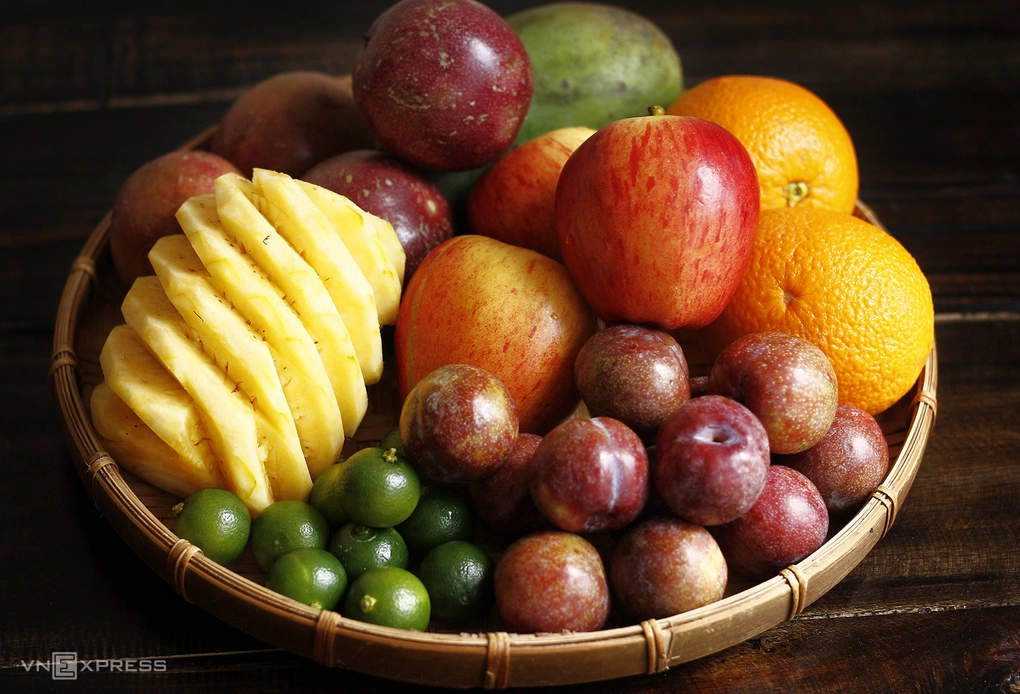 |
Everyone should eat a variety of fruits to provide vitamins and minerals for the body. Photo: Bui Thuy |
Eating whole fruit promotes a greater sense of fullness. This is because it requires more time for chewing and digestion. This process slows down eating speed and allows sufficient time for the brain to register satiety signals, thereby limiting additional snacking between meals. Fruit juice, with its lower fiber content and liquid form, empties from the stomach more quickly, leading to an earlier return of hunger.
Individuals should incorporate a diverse range of fruits into their diet to ensure an adequate intake of vitamins and minerals. Prioritize fresh, naturally ripe fruits, and always wash them thoroughly before consumption. It is advisable to limit the addition of sugar, salt, or condensed milk. Fruits should not completely replace green vegetables or main meals, as this could lead to nutritional imbalances.
For those managing diabetes or needing to control their weight, it is recommended to divide fruit portions throughout the day. Patients should opt for fruits with a low glycemic index or low sugar content, based on guidance from a nutrition expert.
Le Nguyen (Compiled)
| Readers can submit nutrition questions here for a doctor's response. |