After a night's sleep, the body goes many hours without water intake. Meanwhile, the kidneys continue to filter blood and regulate the body's fluid and electrolyte balance. Therefore, how you start your day and your activities in the first few hours can impact both your fluid status and kidney function, particularly if you are not adequately rehydrated or engage in strenuous activity.
According to Doctor Nguyen Thi Kieu Linh from the Department of Nephrology - Dialysis at Tam Anh General Hospital Hanoi, healthy kidneys can typically self-regulate against common lifestyle changes. However, prolonged fluid deficiency, overexertion, or the misuse of medication can reduce blood flow to the kidneys and heighten the risk of damage, particularly for individuals already suffering from kidney disease or other underlying health conditions.
Insufficient water intake
During sleep, the body goes without water for many hours. Upon waking, insufficient water intake can lead to more concentrated urine, which increases the risk of kidney stones in individuals with pre-existing risk factors. Individual water needs vary based on age, weather, activity level, and overall health, meaning there is no fixed amount that must be consumed immediately after waking.
 |
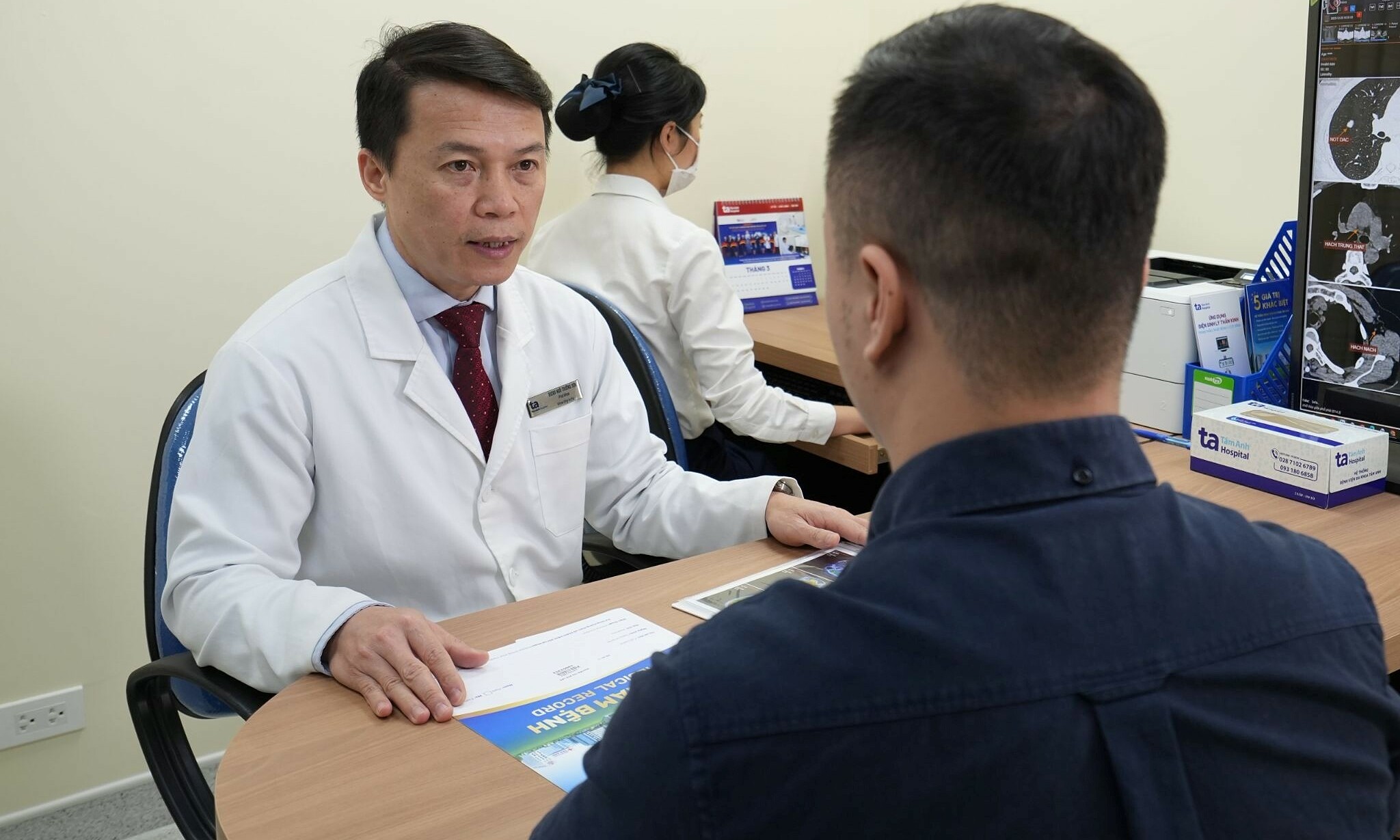
Doctor Linh examines a patient. *Photo: Tam Anh General Hospital* |
Holding urine
Rushing to work, dropping children off at school, or heading to exercise often leads many people to delay urination. Regularly holding urine can increase the risk of urinary tract infections. In individuals with urinary tract obstruction, prolonged urine retention can also impair kidney function.
Self-medicating with painkillers
Many individuals commonly self-administer painkillers for headaches, muscle aches, or back pain. Doctor Linh explains that non-steroidal anti-inflammatory drugs can impact kidney function, particularly with prolonged use or when the body is dehydrated. Individuals with kidney disease, or those experiencing vomiting, diarrhea, or fever, should exercise particular caution when using this class of medication.
Inadequate hydration during exercise
Exercise causes the body to lose water through sweat. If fluids are not adequately replenished, circulating blood volume can decrease, affecting blood flow to the kidneys and increasing the risk of kidney damage, especially during prolonged workouts or in hot weather. For typical exercise sessions, plain water usually meets hydration needs, but high-intensity activities may require appropriate electrolyte supplementation.
Unbalanced breakfast
Some people habitually skip breakfast or eat quick, unbalanced meals, often consuming many processed or salty foods. A high salt intake elevates blood pressure, which over time can contribute to kidney damage.
Doctor Linh advises healthy individuals to maintain a balanced lifestyle, drink water according to their needs, and limit self-medication. Patients with kidney disease, hypertension, diabetes, or those taking multiple medications should consult a doctor regarding their diet, specific fluid intake, and medication use.
Thu Giang