Congenital hip dislocation, also known as developmental dysplasia of the hip, occurs when the hip joint develops abnormally, causing the femoral head to be unstable or improperly positioned within the hip socket. This condition can begin during the fetal stage or develop in the first months of life.
Master of Science, Doctor of Medicine, Level one specialist Nguyen Huu Dung, from the Department of Pediatric Surgery at Tam Anh General Hospital, TP HCM, emphasizes that initial signs of hip dislocation are often subtle and easily overlooked. Early detection significantly improves treatment success, promoting proper joint development and reducing the need for surgery.
Parents should be vigilant for the following early indicators of hip dislocation in infants:
Difficulty spreading legs sideways
In infants under 6 months old, one leg may be harder to spread sideways than the other. Parents might notice this while bathing, changing diapers, or dressing the baby. When gently spreading the legs, one side may have limited range of motion. However, parents should not force the leg or attempt to adjust the baby's hip joint themselves.
Asymmetrical leg movement
When the infant kicks or extends their legs, one leg may move less or have a more restricted range of motion compared to the other. Some infants might also have asymmetrical skin folds on their thighs or buttocks, though this sign alone is not definitive for diagnosis.
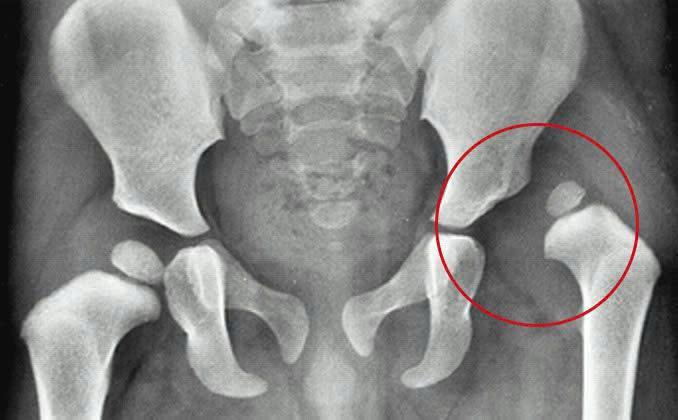 |
X-ray image of an infant with congenital hip dislocation. Photo: Tam Anh General Hospital |
X-ray image of an infant with congenital hip dislocation. Photo: Tam Anh General Hospital
Differing leg lengths
In cases affecting one side, when the infant lies on their back with legs extended, one leg may appear shorter. This sign is harder to detect if both hips are affected. As children begin to stand and walk, more noticeable symptoms emerge, such as unstable standing, restricted leg abduction or rotation on one side, and a limp. If both hips are affected, the child may walk with a wide stance, swaying from side to side. Doctor Dung notes that pain in the hip, thigh, or knee area typically appears later and is not a common sign in young children.
Congenital hip dislocation can affect one or both sides and is more common in girls. Infants born in a breech position or with a family history of developmental dysplasia of the hip have a higher risk. However, the condition often results from multiple factors, and a specific cause is not always identifiable.
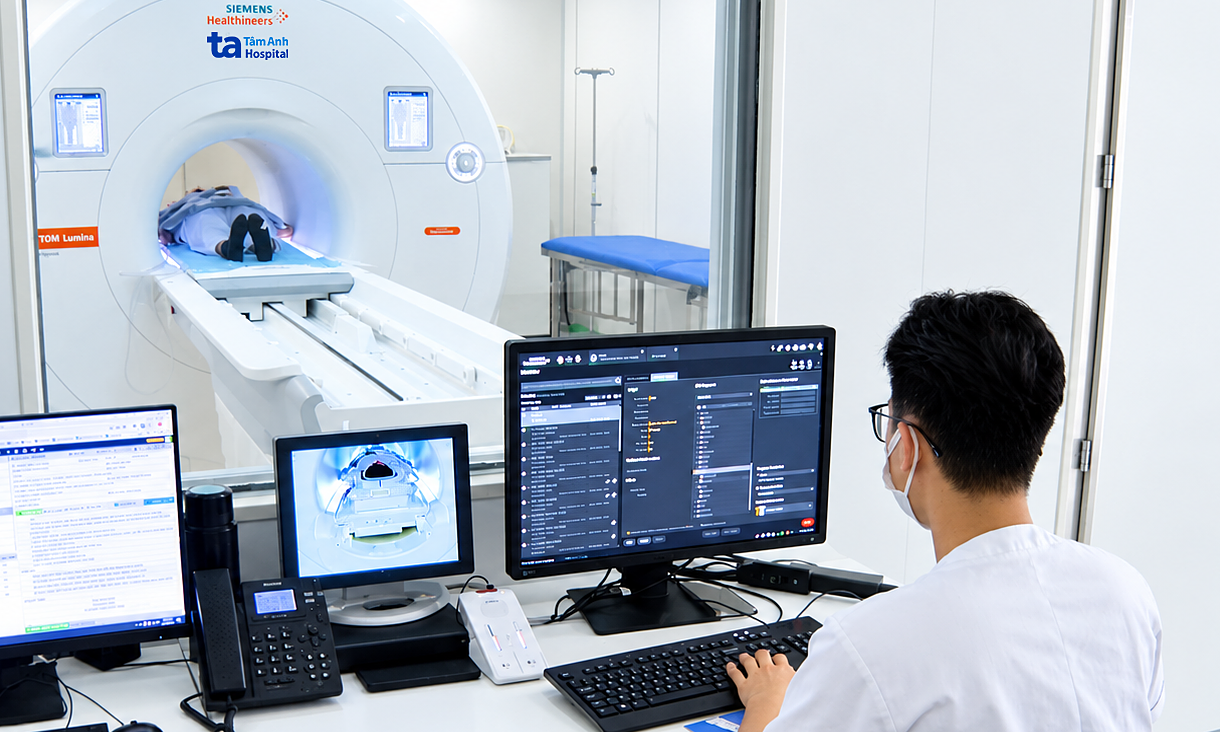
For infants under 6 months old, doctors use hip ultrasound to assess the position of the femoral head, the hip socket, and joint development. Children aged around 6 months and older undergo pelvic X-rays to evaluate bone structure. CT or MRI scans are ordered in complex cases or when ultrasound and X-ray do not provide sufficient information.
According to Doctor Dung, treatment depends on the child's age, the severity of the abnormality, and their response to therapy. Early detection significantly increases the success rate of conservative treatment.
For infants under 6 months old, doctors may use an orthopedic brace to maintain the femoral head in the correct position, facilitating continued hip socket development. Infants require regular follow-up appointments and ultrasounds to monitor their progress.
For children 6-18 months old, if conservative treatment is ineffective or the condition is diagnosed late, doctors may perform hip manipulation, followed by casting and using a brace to stabilize the joint.
Older children or cases not responding to conservative treatment may require surgery to reposition the femoral head. Depending on the specific condition, doctors might modify the hip socket, femur, or surrounding joint tissues, followed by cast immobilization.
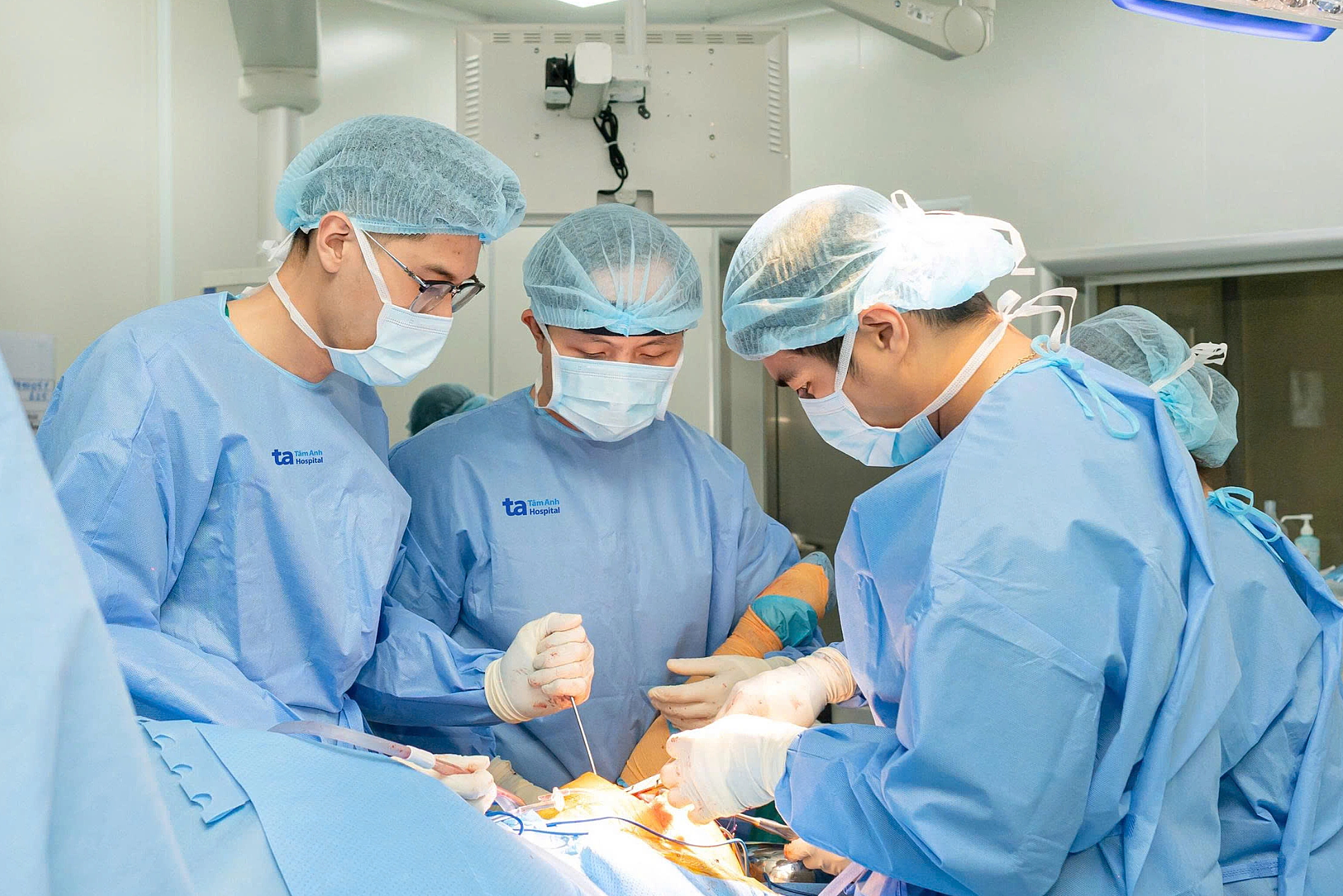 |
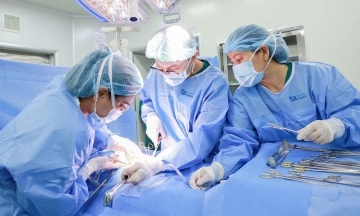
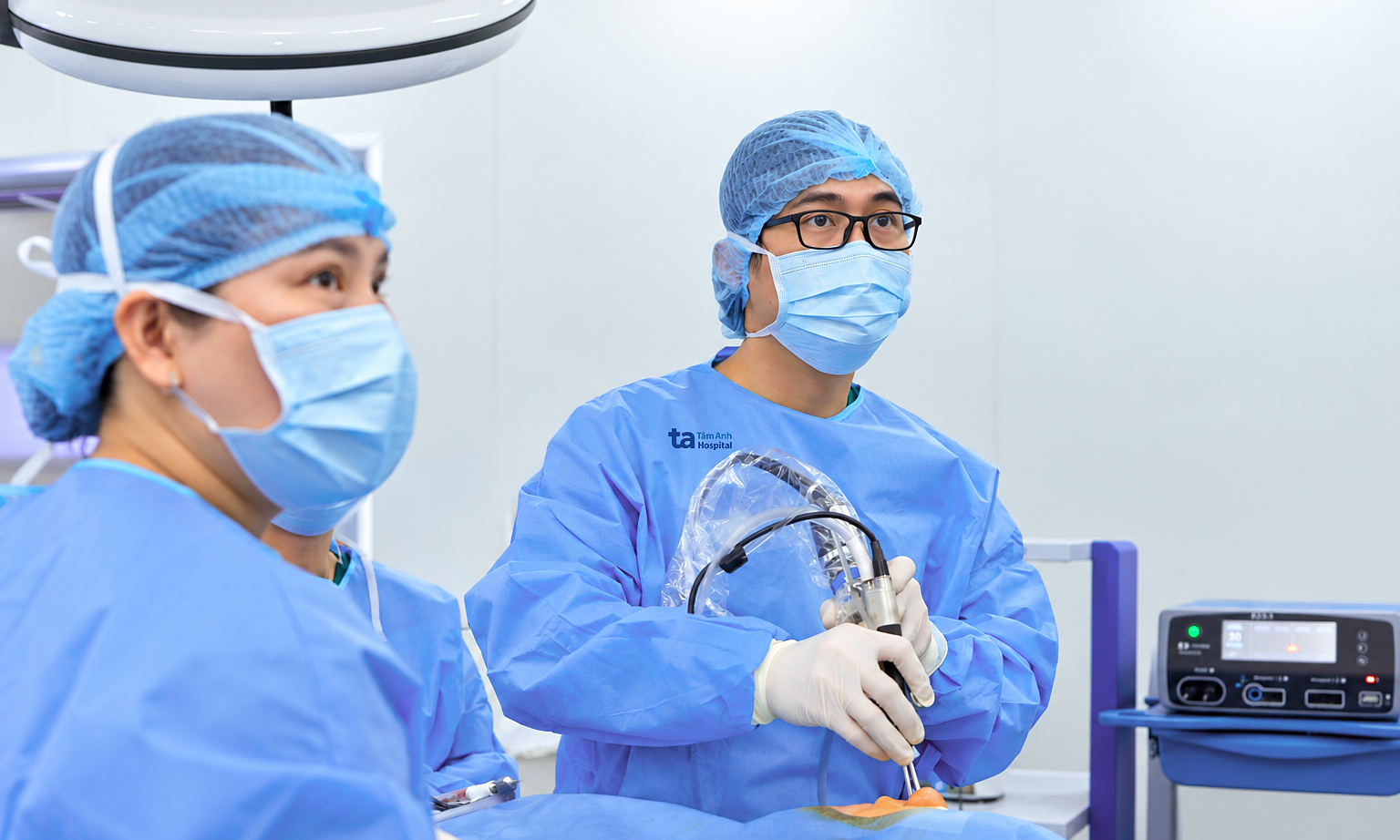
The medical team at Tam Anh General Hospital, TP HCM, performs surgery to correct congenital hip dislocation in an infant. Photo: Trung Vu |
The medical team at Tam Anh General Hospital, TP HCM, performs surgery to correct congenital hip dislocation in an infant. Photo: Trung Vu
At Tam Anh General Hospital, children with developmental dysplasia or hip dislocation receive multidisciplinary examination and treatment from specialized doctors. Depending on the child's age and hip condition, they undergo examinations, ultrasounds, X-rays, and advanced diagnostic imaging techniques. For cases requiring surgery, the medical team develops a personalized orthopedic plan based on each child's bone and joint condition, while also monitoring and supporting rehabilitation after intervention.
Doctor Dung advises parents to seek medical attention if they observe any of the aforementioned signs in their child, as early detection leads to more appropriate treatment. Parents should not attempt to self-adjust, pull, or force their child's legs without medical guidance.
Minh Tam
| Readers can submit questions about pediatric diseases here to receive answers from doctors. |