Botox (botulinum toxin) is widely recognized in aesthetics, but also plays a significant role in neurology. Doctor Nguyen Hoang Minh Thao, from the Neurology Department, Neuroscience Center, Tam Anh General Hospital, TP HCM, states that botox helps reduce abnormal muscle contractions, control pain, and improve motor function for many neurological patients.
Hemifacial spasm involves involuntary contractions of muscles on one side of the face, typically starting around the eyelid and spreading to the cheek and corner of the mouth. This condition affects appearance, communication, and quality of life. Injecting botox into the affected muscle groups helps reduce the frequency and severity of spasms. This is a common treatment method for individuals with hemifacial spasm.
Many individuals experience increased muscle tone after a stroke, leading to stiff, contracted limbs, difficulty moving, pain, and restricted daily activities. Botox is injected directly into these hypertonic muscle groups to relax them, improve range of motion, and support the rehabilitation process. Treatment effectiveness is often enhanced when combined with physical therapy.
Cervical dystonia is a movement disorder characterized by prolonged spasms of the neck muscles, causing the head to involuntarily tilt or turn to one side. According to Doctor Thao, botox can help relax overactive muscles, reduce pain, and improve head and neck posture.
Patients with blepharospasm often experience continuous blinking or uncontrolled eye closure. Severe cases can impair vision. Botox injections into the muscles around the eyes help alleviate spasms, improving visual function and daily activities.
 |
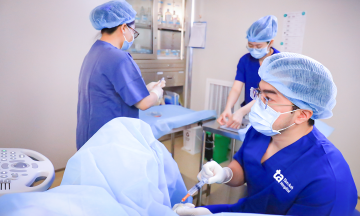
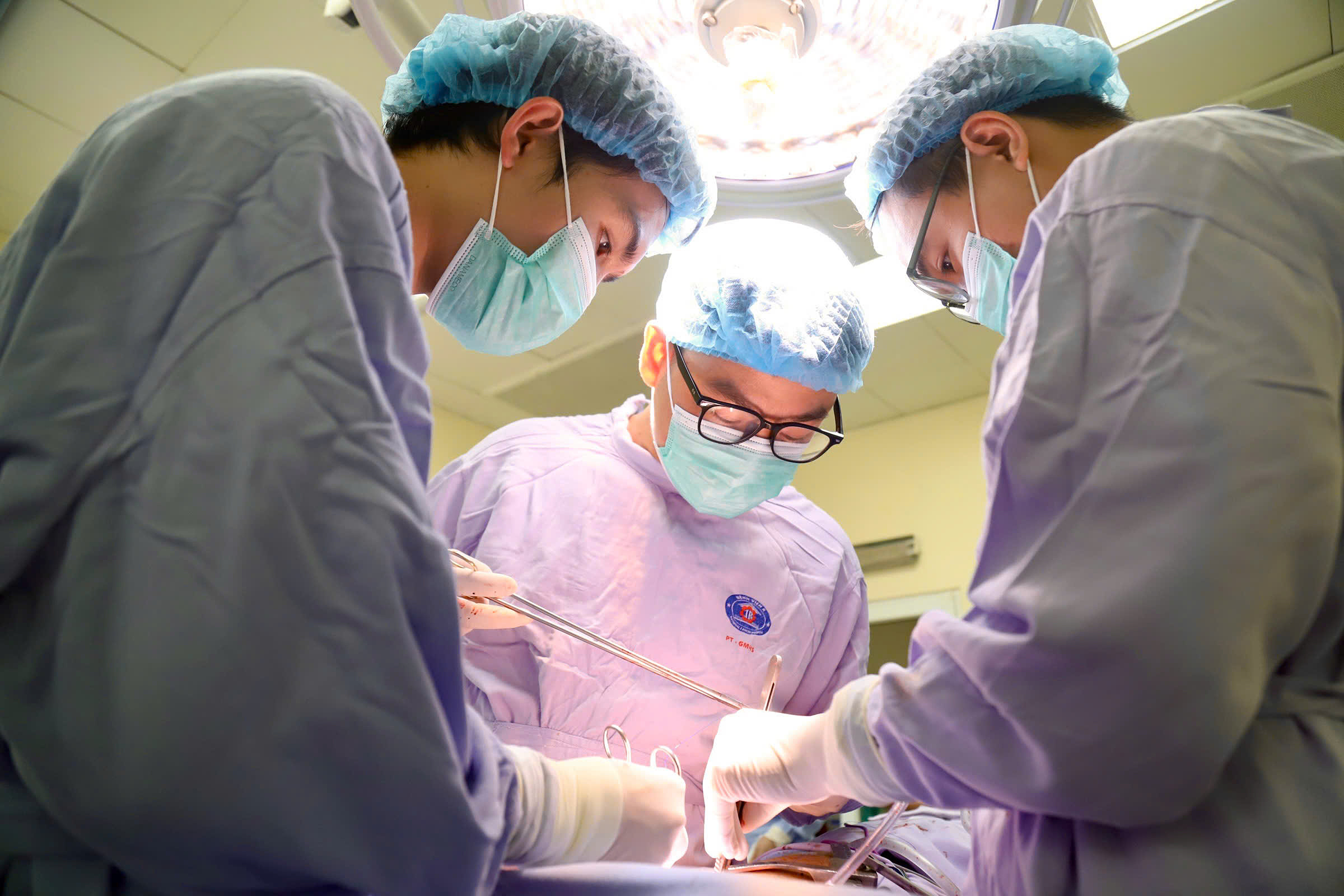
A doctor injects botox for a patient. *Photo: Tam Anh General Hospital*.
Botox can be injected into specific areas of the head, neck, and shoulders following a standard protocol to reduce the number of headache days, pain severity, and the need for pain medication.
Individuals with Parkinson's disease or certain degenerative neurological conditions may experience continuous drooling due to impaired swallowing. In such cases, botox is injected into the salivary glands to decrease fluid secretion, limit aspiration, and enhance quality of life.
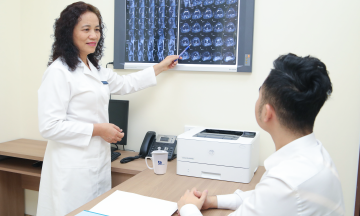
For effective and safe treatment, patients should seek examination at reputable neurology hospitals. Doctors will thoroughly assess the condition and accurately determine the injection site and appropriate dosage.
When experiencing muscle spasms, limb stiffness, tremors, chronic headaches, or other abnormal movement disorders, patients should seek medical attention for timely diagnosis and treatment.
Trong Nghia