Many health-conscious individuals often have medicine cabinets stocked with imported functional foods. However, what you consume may not always be beneficial; it could potentially be a "death sentence" for your kidneys.
Doctor Hong Vinh Tuong, a renowned nephrology expert in Taiwan, warns about five dangerous functional food "traps" that severely damage kidneys. Notably, common products like protein powder or fish oil can also have adverse effects if used incorrectly.
Arbitrarily stopping conventional medication to switch to "natural" herbs
Many patients believe that "conventional medicine harms the kidneys, so it's better to use natural supplements." Consequently, they discontinue prescribed blood pressure or diabetes medications, opting instead for complex herbal remedies or products advertised online as "special kidney tonics."
Doctor Hong emphasizes that prescribed medications, such as antihypertensive drugs, are clinically proven to protect kidneys and slow the progression of kidney failure. Stopping these medications to use functional foods without sufficient scientific evidence can rapidly worsen a patient's condition.
Functional foods cannot replace medicinal drugs. If you wish to supplement with any product, patients must consult a nephrologist to assess risks and benefits.
Protein powders and vitamins contain a dangerous "phosphorus trap"
For individuals with impaired kidney function, strict control over phosphorus, potassium, and protein intake is crucial. However, many functional foods are hidden "bombs" containing very high levels of phosphorus and potassium. Examples include: premium protein powders, chicken essence, oyster essence, multivitamin tablets, and various soluble powders.
Many processed supplements contain inorganic phosphorus, often appearing as phosphate food additives. Inorganic phosphorus has an extremely high absorption rate in the intestines, directly increasing blood phosphorus levels. This can lead to vascular calcification, increased cardiovascular risk, and bone metabolism disorders.
Kidney patients must carefully check the ingredient list before purchasing. If keywords like "Phosphate," "Dihydrogen phosphate," or vague additive terms appear, exercise extreme caution.
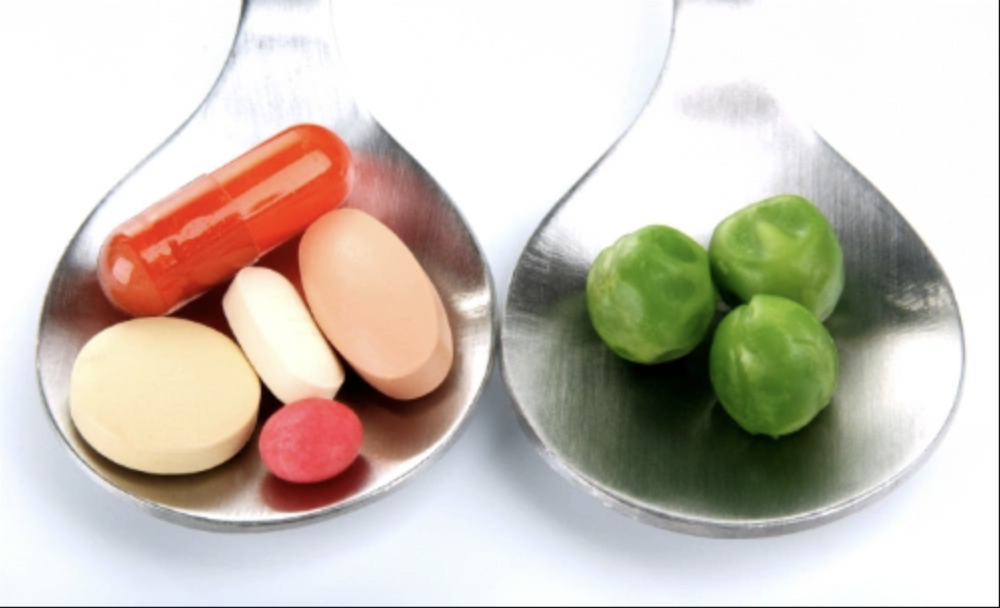 |
Kidney patients need to carefully check the ingredient list of functional foods before buying. Photo: functional food |
"Natural" labeled herbs may contain aristolochic acid
Doctor Hong Vinh Tuong warns that "natural" does not equate to "non-toxic." Many herbs have been documented as direct causes of kidney damage.
The most typical example is traditional Chinese medicine ingredients containing aristolochic acid (such as ma de thao, phong ky) – a component previously found in some weight-loss drugs and identified as a culprit in severe kidney failure and urinary tract cancer.
Consumers should be extremely cautious of "ancient secret formulas" or herbal functional foods with unknown origins.
Fish oil and deep-sea products risk heavy metal contamination
Many people take fish oil to protect their kidneys, but the outcome can be the opposite. Large fish at the top of the food chain are prone to accumulating toxic heavy metals, particularly mercury, lead, and cadmium. The accumulation of these heavy metals in the body causes direct and long-term toxicity to the kidneys.
Doctors advise consumers to prioritize products tested by a third party or those with independent quality certifications to ensure heavy metal levels are within safe limits.
Dangerous interactions between functional foods and prescription medications
Doctor Hong reminds us that medications typically used by kidney patients, such as antihypertensive drugs, anticoagulants, or diuretics, can interact with functional foods. This can reduce the efficacy of the treatment or increase side effects.
For instance, some herbs can alter the effects of anticoagulants, leading to unpredictable clinical risks.
To protect kidney health scientifically, the expert offers three golden rules:
Rule of three months: If using any functional food continuously for more than three months, it is mandatory to undergo liver and kidney function tests. If any abnormal indicators appear, stop immediately.
Prioritize natural foods: Strive to obtain nutrients from fresh, natural, and seasonal foods instead of relying on heavily processed tablets.
Consult your doctor: Bring the product, or a photo of its ingredient list, and directly ask your treating physician: "Will this functional food conflict with the medication I am taking? Will it significantly increase my protein, phosphorus, or potassium levels?"
My Y (According to UFood)