Continuous exposure to blue light from phones, computers, and other electronic devices can cause dry eyes, eye strain, glare, and affect sleep. Experts recommend adjusting screen usage habits to reduce their effect on eye health and overall well-being.
Take regular eye breaks
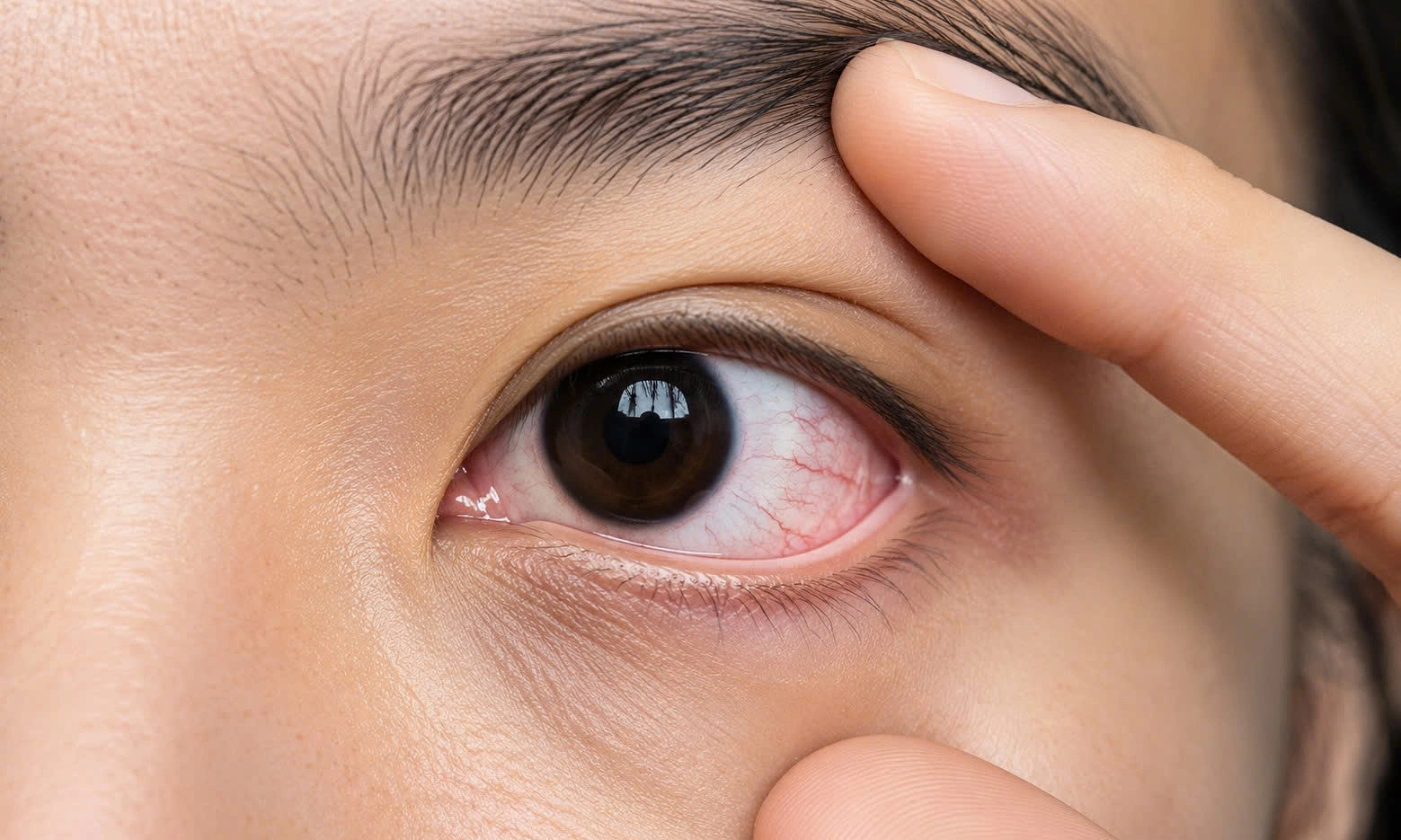
Extended screen viewing causes eyes to constantly adjust, often leading to digital eye strain, characterized by symptoms such as dry eyes, headaches, blurred vision, or stinging. One simple way to alleviate this is to apply the 20-20-20 rule: every 20 minutes of screen time, look at an object approximately 6 meters (20 feet) away for at least 20 seconds to allow your eyes to relax.
Taking periodic eye breaks reduces pressure on eye muscles, minimizing dryness and strain when working long hours on computers or phones.
Reduce evening usage time
Reducing screen exposure in the evening not only gives your eyes a rest but also helps improve sleep quality.
Blue light from phones, tablets, televisions, or LED lights can affect the body's circadian rhythm, especially at night. This light reduces melatonin secretion, a hormone that aids sleep, making it difficult for many people to fall asleep or achieve deep sleep.
Experts advise limiting electronic device use for at least one hour before bedtime. If nighttime work is unavoidable, users can reduce screen brightness or switch devices to "night mode" to minimize blue light emission.
Adjust screen distance and position
The distance between your eyes and the screen also affects the degree of eye strain. Position your computer screen approximately 75 cm from your eyes, with the center of the screen slightly below eye level. This encourages a more natural eye opening, reducing dry eyes during prolonged work.
For phones, maintain a minimum distance of about 35-40 cm instead of viewing too closely. Avoid using devices in overly dark environments, as high contrast can force your eyes to work harder.
Maintain eye hydration
When focusing on a screen, blinking frequency often decreases significantly, causing tears to evaporate quickly and leading to dryness and irritation. This condition is common among office workers or those using phones for extended periods.
To prevent dry eyes, consciously blink often, drink enough water, and take regular eye breaks. In some cases, artificial tears may be used under a doctor's guidance to keep eyes moist and reduce feelings of grittiness or discomfort. Adequate sleep also contributes to eye recovery after prolonged electronic screen exposure.
Use filter screens or activate night mode
Applying screen filters to phones, tablets, and computers can help reduce the amount of blue light emitted. Users can also activate night mode on mobile devices. This feature automatically lowers brightness and shifts screen colors to warmer tones, which helps soothe the eyes and improve sleep quality.
Bao Bao (Compiled)
| Readers can submit questions about ophthalmological conditions here for doctors to answer. |