Bats are natural hosts for many viruses, including rabies and Nipah. However, individually vaccinating bats is nearly impossible because they live in large colonies, fly widely, and often inhabit caves or hard-to-reach locations.
Therefore, researchers are exploring more natural ways to deliver vaccines to bats. The methods, described in an article published March 11 in the journal Science, include:
The first method involves mosquitoes. The idea is for mosquitoes to carry a vaccine, then transmit it to bats when they bite, similar to how mosquitoes transmit pathogens. This approach is termed "flying vaccine".
The second method is to mix the vaccine into mineral salt water to attract bats to drink. This idea stems from many bat species' natural need for mineral salts.
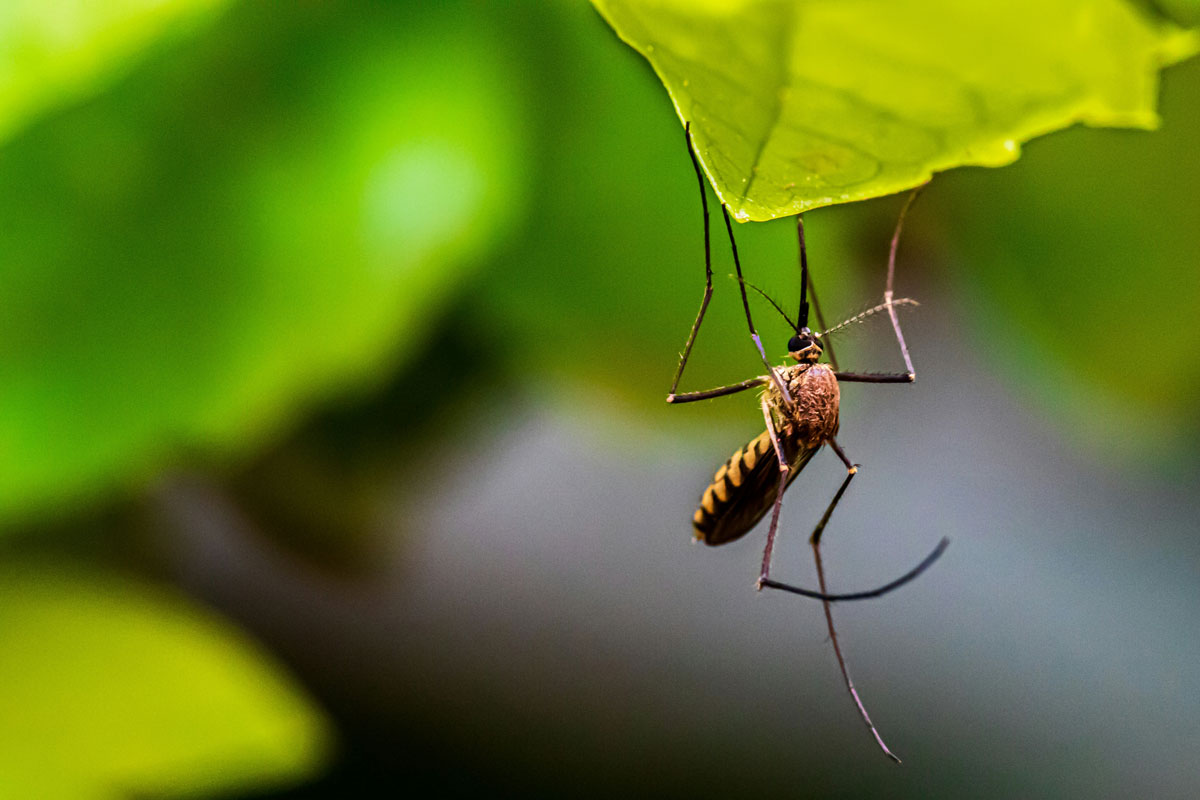 |
Mosquitoes are used as intermediaries to carry vaccines, vaccinating wild bats and thereby blocking human epidemics. *Illustration: Unsplash* |
In the study, the vaccine was created from a weakened virus, then modified to carry characteristics of the rabies or Nipah virus. The goal is to help bats' bodies recognize the pathogen and produce protective antibodies without causing actual disease.
Initial laboratory test results show this approach is effective. Mice, hamsters, and bats that received the vaccine via mosquito bites, by eating vaccine-carrying mosquitoes, or by drinking vaccine-infused salt water all developed an immune response. Some even survived after exposure to the rabies virus.
According to the research team, if this method works well in nature, it could help reduce viruses directly at the initial host, the bats, rather than waiting until the pathogen spreads to humans or livestock before attempting control.
Despite this, the work is still in its early stages. Scientists cannot yet apply this method widely in nature because further evaluation of safety, environmental impact, and the ability to control vaccine-carrying mosquitoes is needed.
According to Gavi, the global vaccine alliance, this is not yet a ready-to-use technology. However, it opens a notable new research direction in efforts to prevent epidemics at their source, rather than merely responding after an outbreak in humans.
By Van Ha (according to Gavi, Science)