Elevated blood lipids, particularly high LDL-C (bad cholesterol), increase arterial plaque formation, raising the risk of heart attack and stroke. Dr. Nguyen Thi Phuong, from the Nutrition Department at Tam Anh Hanoi General Hospital, states that a healthy diet can reduce cardiovascular risk factors and help manage blood lipids.
Recommended foods
According to the new 2026 nutrition guidelines from the American Heart Association (AHA), a beneficial diet for those with high blood lipids should focus on the following foods:
Green vegetables and fruits
Vegetables like cabbage, broccoli, carrots, tomatoes, and pumpkin, along with fruits such as berries, apples, oranges, and grapefruit, provide fiber, vitamins, and compounds beneficial for heart health. Individuals should consume at least 400 g of fruits and vegetables daily, aiming for a minimum of 25 g of natural dietary fiber. Prioritize whole fruits over juices to retain fiber and avoid rapid intake of free sugars.
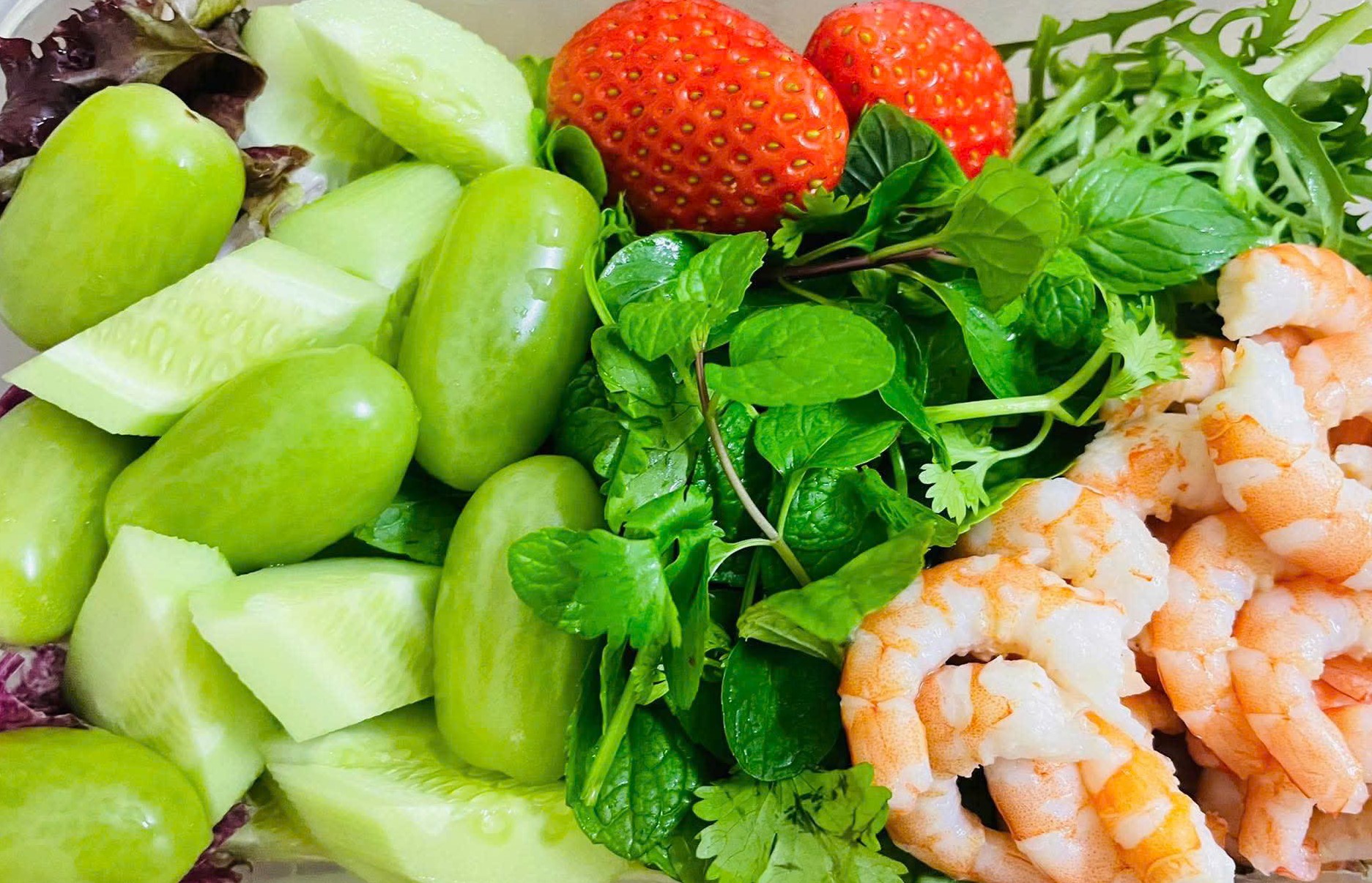 |
Green vegetables and fresh fruits are priority foods for patients with dyslipidemia. Photo: Thanh Ba
Whole grains and legumes
Oats, brown rice, whole-wheat bread, black beans, red beans, green beans, and soybeans provide fiber and other beneficial nutrients. Soluble fiber found in oats and beans can reduce cholesterol absorption in the intestines, helping to moderately lower LDL-C levels.
Lean protein sources
According to Dr. Phuong, fish such as mackerel, salmon, scad, herring, and sardines are excellent protein sources, providing beneficial omega-3 unsaturated fats for the cardiovascular system. Patients can alternate fish with skinless poultry, tofu, legumes, and other plant-based proteins instead of regularly consuming fatty red meat.
Nuts
Walnuts, almonds, cashews, chia seeds, flax seeds, and sesame are beneficial for individuals with high blood lipids. These foods provide unsaturated fats, fiber, and other nutrients. Choose unsalted, unsweetened, or non-fried varieties.
Vegetable oils
Olive oil, canola oil, soybean oil, and sunflower oil contain many unsaturated fats and can replace animal fat, butter, or other saturated fats. Conversely, fatty meat, poultry skin, butter, cream, high-fat cheese, animal fat, coconut oil, and palm oil should be limited.
A daily meal plan for someone with high blood lipids might begin with oats or whole-wheat bread, accompanied by low-fat, unsweetened or low-sugar milk, and a portion of fresh fruit. Lunch could consist of brown rice or other whole grains, fish or lean meat, and plenty of vegetables. A small amount of unsalted nuts can serve as a snack, while dinner might feature fish, tofu, or skinless poultry with green vegetables. Cooking methods should prioritize steaming, boiling, or pan-frying with minimal oil over deep-frying.
Foods to limit
Foods rich in saturated fats, such as red meat, full-fat dairy products, butter, and some tropical oils, can raise bad cholesterol.
Sugar and refined carbohydrates also require control, especially when triglycerides are elevated. Individuals should limit soft drinks, milk tea, candies, pastries, sugary juices, and products containing significant added sugars. Alcohol can also increase triglycerides; those with high triglycerides should minimize consumption.
Dietary adjustments for high cholesterol must be individualized based on the type of lipid disorder, weight, blood sugar, blood pressure, and co-existing conditions. Some individuals with genetically high cholesterol or elevated cardiovascular risk may still require lipid-lowering medication, even with a healthy diet.
Dr. Phuong emphasizes that a proper diet can help improve blood lipid levels but does not replace medical treatment. Patients should undergo regular lipid panel checks, engage in physical activity, manage weight, and control other cardiovascular risk factors.
Thanh Ba
| Readers can submit questions about cardiovascular disease here for a doctor's response. |