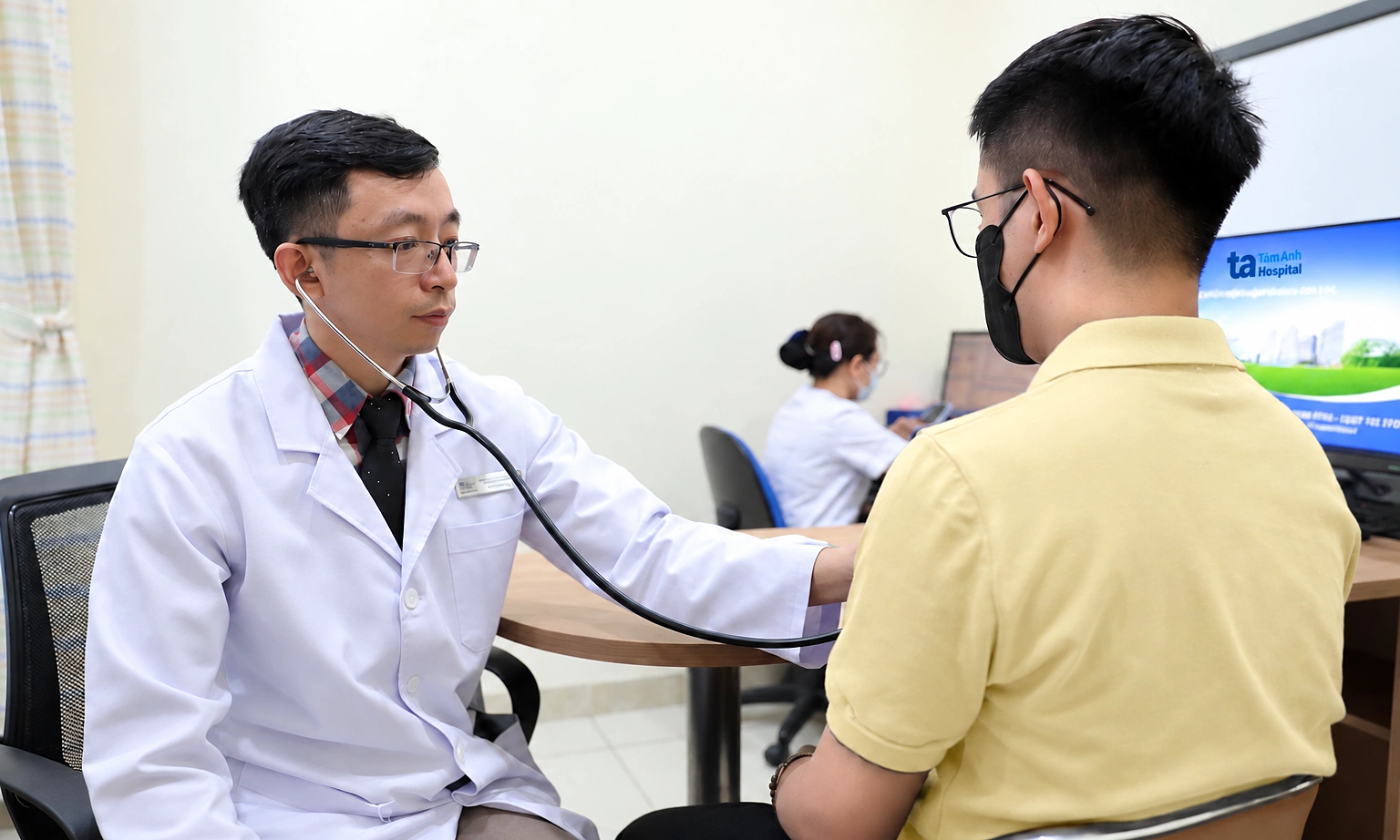
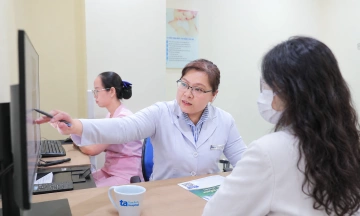
Doctor Tra Phuong, from the Nutrition Unit at Tam Anh Cau Giay General Clinic, emphasizes that breakfast provides children with daily energy and nutrients. Many families choose porridge because its ingredients are easily varied, and its consistency and texture can be adjusted for age. Here are the benefits of feeding babies porridge for breakfast.
Porridge provides energy and nutrients. Children need diverse foods to meet their nutritional needs and support growth. Children aged 6-23 months old should receive nutrient-rich foods including meat, fish, eggs, vegetables, and other food groups.
A nutritious bowl of porridge provides carbohydrates from rice, oats, or cereals; protein from meat, fish, eggs, shrimp, tofu, and legumes; and vitamins, minerals, and fiber from vegetables.
Parents should focus on the composition and nutritional density of the porridge rather than just the amount the child eats. Due to children's limited stomach capacity, ingredients must be balanced to provide enough nutrients in an appropriate food portion.
Porridge has a soft texture, easily adjustable to a child's eating ability. It is suitable for children beginning complementary feeding and developing chewing and swallowing skills because its consistency and texture can be easily adjusted by age. Around 6 months old, children start to get acquainted with pureed, soft, or semi-solid foods. As their eating abilities develop, parents should gradually increase the consistency and texture.
Doctor Tra Phuong advises parents not to maintain overly pureed or soft food when children are teething. Gradually introducing children to various food forms and increasing texture helps develop chewing skills. Around 12 months old, most children can eat foods similar to the family's, with adjustments in size and texture if needed.
Porridge also provides water for children. It has a relatively high water content and can contribute to a child's hydration. However, porridge does not replace plain water. Parents should prioritize appropriate nutritional density and consistency instead of preparing watery porridge.
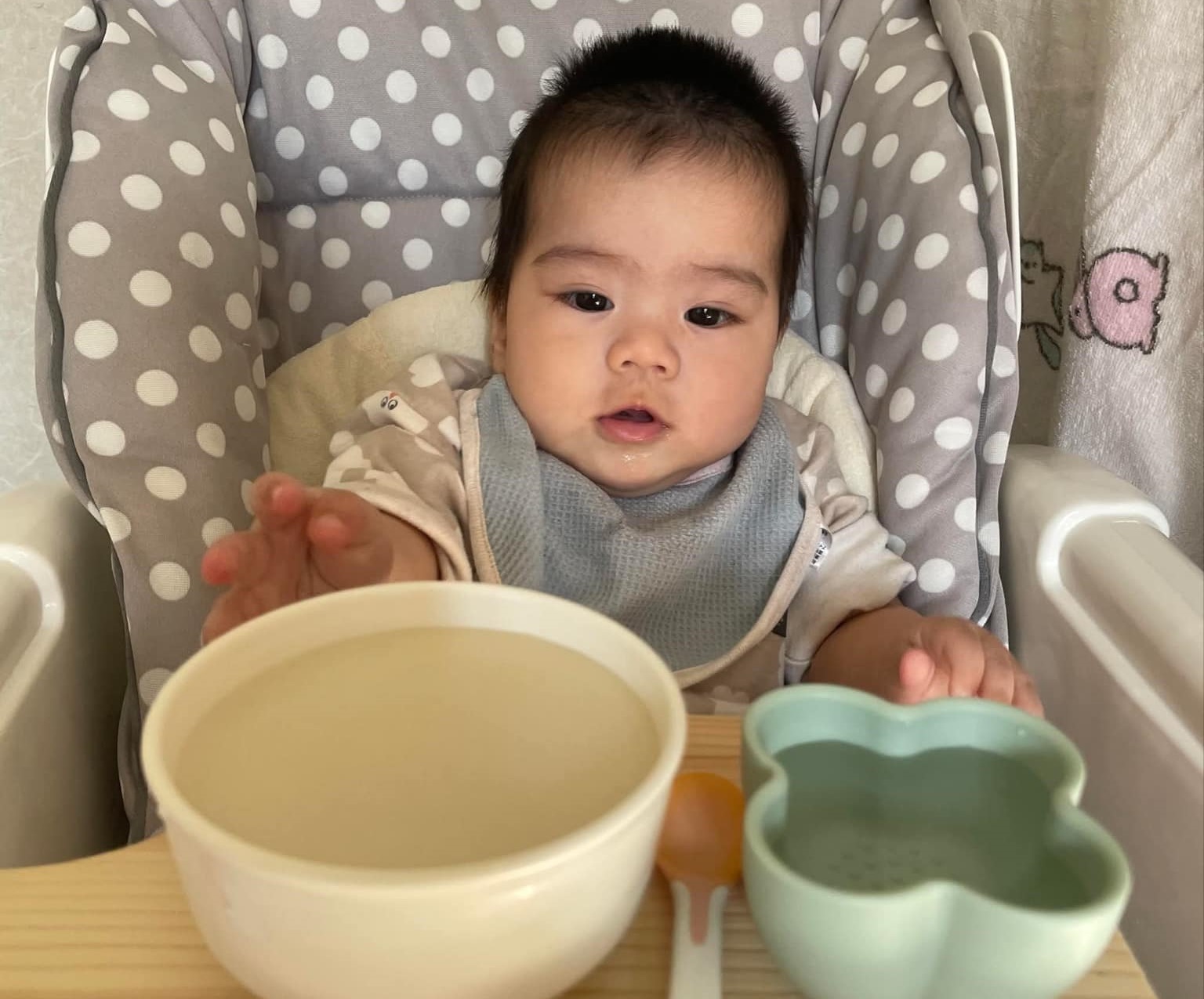 |
Porridge has a soft texture, suitable for children starting complementary feeding. Photo: *Trinh Chi* |
Porridge is easy to combine with many food groups. It is convenient for combining various food types in one meal. For example, porridge can combine carbohydrate-rich foods like rice, oats, and cereals with protein-rich foods such as meat, fish, eggs, shrimp, tofu, or legumes, along with vegetables rich in vitamins, minerals, and fiber.
According to Doctor Tra Phuong, parents should vary ingredients and food groups. Alternating meat, fish, eggs, shrimp, legumes, and vegetables helps children get exposed to diverse foods and flavors.
Additionally, porridge helps children become familiar with many flavors. It can be prepared with various ingredients and combinations, helping children become familiar with many flavors right from the complementary feeding stage. This helps babies develop diverse eating habits.
Despite its advantages, porridge is not the only option for children. Once children have good chewing ability, parents can alternate porridge with other breakfast dishes.
Doctor Tra Phuong notes that parents should not add excessive salt or sugar to children's meals. Food needs appropriate size, shape, and texture to prevent choking. Children should sit safely and be supervised while eating, and they should be encouraged to eat according to hunger and fullness cues rather than being forced by adults.
If a child frequently skips meals, eats very little, has difficulty chewing or swallowing, vomits during meals, loses weight, or does not grow appropriately, parents should take the child for an examination to assess the cause and nutritional status.
Trinh Mai
| Readers can ask nutrition questions here for a doctor to answer |