Myopia is increasingly prevalent among children and young adults. Beyond genetic factors, modern lifestyles, including the use of electronic devices, contribute to this trend. According to Master of Science, Doctor Le Thanh Huyen from the High-Tech Eye Center, Tam Anh General Hospital Hanoi, smartphones have become indispensable for studying, working, and entertainment. However, prolonged use forces the eyes to constantly adjust at close distances, increasing the risk of developing myopia or worsening existing conditions.
Using phones while in motion
Many people habitually use their phones while walking or riding in cars and buses. In constantly moving conditions, the distance between the eyes and the screen changes continuously. The eyes must frequently adjust to focus on images and text. This constant vibration and adjustment quickly fatigues the eyes, increasing strain and potentially accelerating myopia progression if maintained long-term.
Using phones in the dark
The habit of turning off lights in a dark room or watching a phone under a blanket also impacts myopia. When using electronic devices in inadequate lighting, the eyes work harder to adapt to the brightness difference, leading to eye strain, dryness, and reduced vision. If repeated frequently, this habit can cause vision damage and accelerate myopia progression.
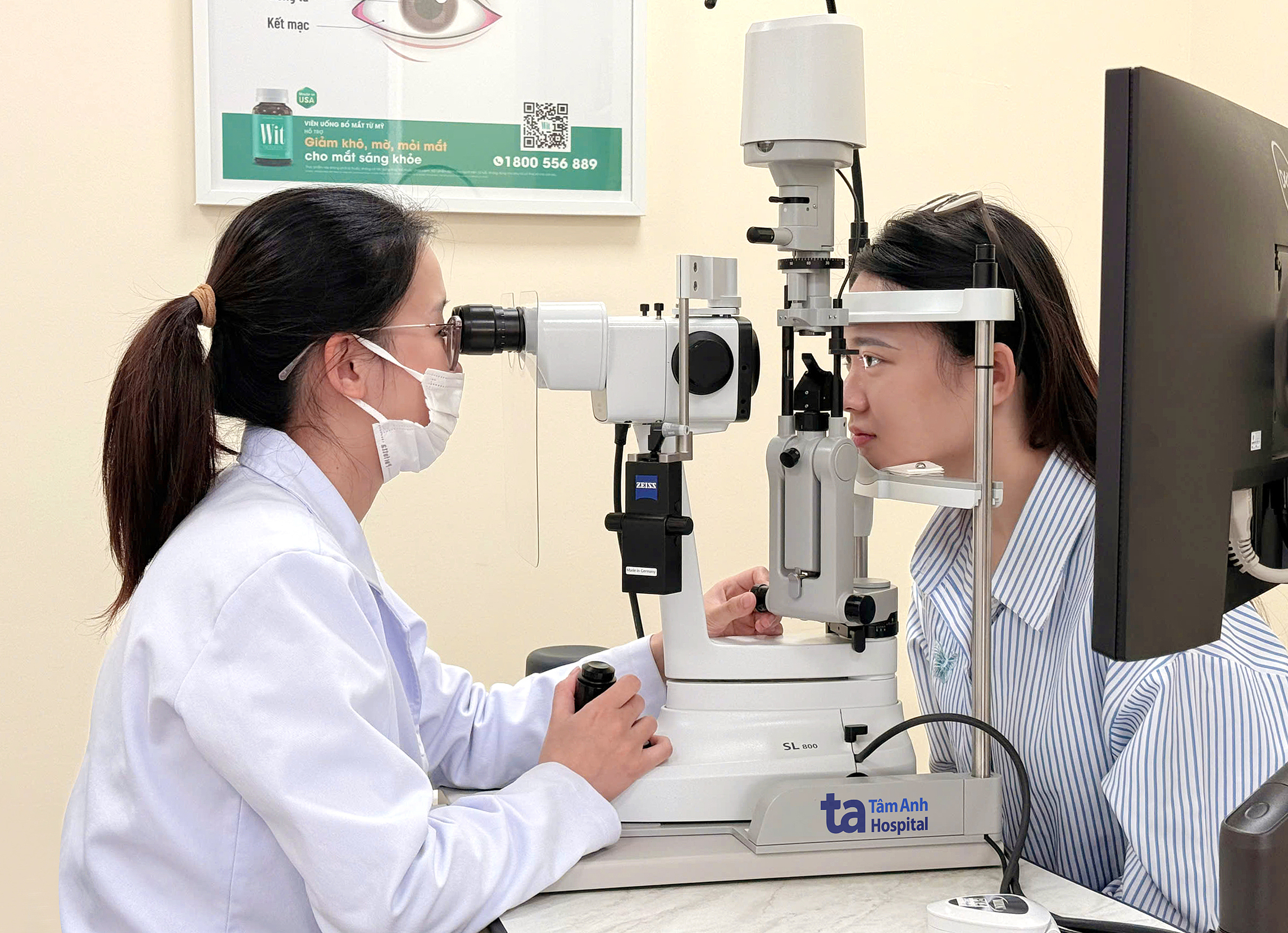 |
Doctor Huyen examines a woman's eyes. Illustration: Tam Anh General Hospital |
Viewing at too close a distance
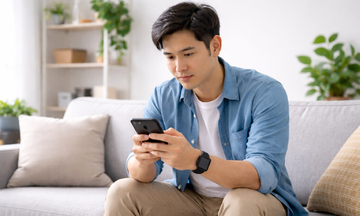
The recommended safe distance for phone use is about 30-40 cm from the eyes to the screen. However, many people, especially those with existing myopia, often hold their devices too close. Prolonged close viewing causes continuous eye adjustment, leading to rapid fatigue and an increased risk of myopia progression. Uncontrolled screen light at close range can also harm the eyes.
Continuous device use without breaks
Continuous phone use for extended periods without breaks overloads the eye's accommodative muscles. Many users also forget to blink while using their phones, resulting in dry and tired eyes. Experts recommend following the 20-20-20 rule: after every 20 minutes of screen time, rest your eyes for at least 20 seconds by looking at something 20 feet (approximately 6 meters) away, and blink frequently to reduce eye strain.
To mitigate the risk of myopia progression, Doctor Huyen advises individuals with myopia to adjust these habits, adopt a balanced diet rich in vitamins and minerals, and undergo regular eye examinations. Routine check-ups help monitor and manage the progression of refractive errors.
Thu Giang
| Readers can submit questions about ophthalmological conditions here for a doctor's response |