Urinary incontinence, or involuntary leakage of urine, can occur when a person coughs, sneezes, or laughs loudly. In women, incontinence often develops after multiple childbirths, menopause, or pelvic organ prolapse. Decreased estrogen levels weaken the urethra and pelvic floor muscles, making urine leakage more likely during physical activity.
In men, a common cause is an enlarged prostate, which obstructs urine flow and forces the bladder to contract excessively over time. Some cases emerge after surgery for prostate cancer or due to neurological conditions. The condition can also be linked to diabetes, stroke, Parkinson's disease, chronic constipation, urinary tract infections, obesity, or as a side effect of certain medications.
Doctor Le Phuc Lien, Head of the Female Urology Unit at the Urology - Nephrology - Andrology Center, Tam Anh General Hospital in Ho Chi Minh City, states that treatment is determined by the cause, severity, age, gender, and co-existing medical conditions. The following methods are commonly prescribed:
Conservative treatment
For patients with new or mild symptoms of urinary leakage, doctors typically prioritize conservative measures. Patients receive guidance on pelvic floor exercises (Kegel exercises) to strengthen the muscles supporting the bladder and urethra. They also undergo bladder training to extend the intervals between urinations and reduce feelings of urgency.
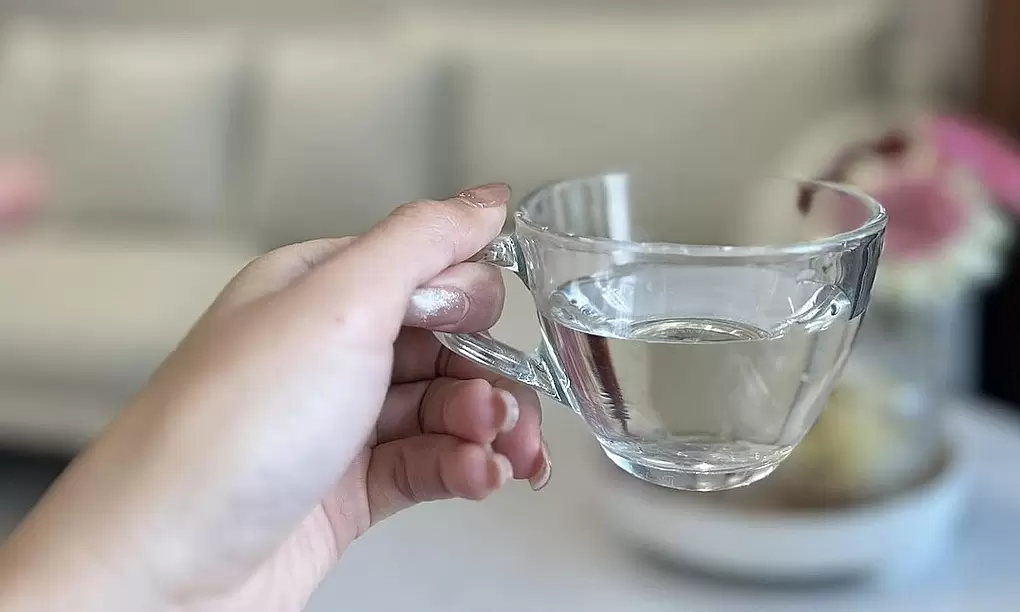
Alongside these practices, patients need to adjust their lifestyle. This includes losing weight (if overweight), treating constipation, and limiting bladder irritants such as coffee, strong tea, alcohol, and carbonated soft drinks. Patients are also advised to maintain a healthy fluid intake rather than restricting water consumption due to fear of leakage.
Medication
If conservative measures are ineffective or if the patient has an overactive bladder, medication may be prescribed. These drugs help reduce abnormal bladder contractions, increase bladder capacity, and decrease the frequency of urgent urination and leakage.
For postmenopausal women, local estrogen therapy may be considered in some cases to improve atrophy of the urethral and vaginal lining.
Minimally invasive procedures
For patients with moderate stress urinary incontinence or those who have not responded to conservative treatment, doctors may recommend minimally invasive techniques. These procedures aim to enhance urethral support and improve the closing mechanism of the urinary tract.
At Tam Anh General Hospital, common procedures include the placement of urethral slings (TOT/TVT) to limit urine leakage during coughing, sneezing, or physical activity. In certain situations, particularly for older adults or those unsuitable for surgery, doctors may inject bulking agents around the urethra to improve its closure, thereby reducing urinary leakage.
Women with bladder prolapse or pelvic organ prolapse accompanied by urinary incontinence may consider pelvic floor repair surgery or suspension of the prolapsed organs using autologous tissue or synthetic materials, when appropriate. The choice of method depends on the patient's age, the degree of prolapse, lifestyle desires, and overall health status.
Robotic surgery
Surgery becomes necessary for patients with moderate to severe urinary incontinence, those who cannot undergo minimally invasive procedures, or when the condition stems from structural abnormalities such as pelvic organ prolapse, enlarged prostate, urethral sphincter damage, or other underlying medical conditions.
Currently, many conditions causing urinary incontinence can be treated with minimally invasive surgeries, which help reduce pain, minimize blood loss, and shorten recovery time.
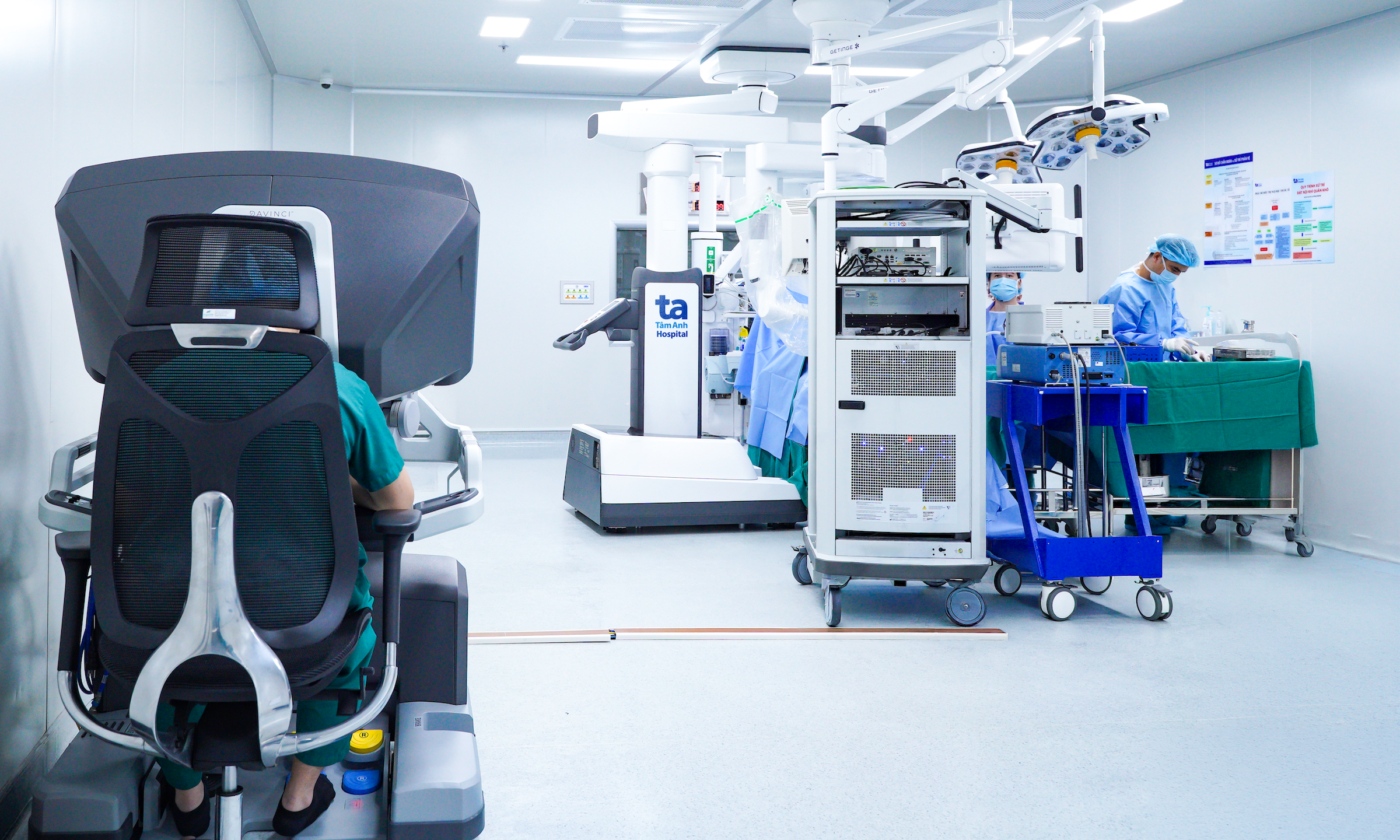 |
Doctor Lien (seated) operates the Da Vinci Xi robot to treat urinary incontinence in a patient. Photo: Tam Anh General Hospital |
In special cases, such as surgery for prostate cancer, pelvic organ prolapse, or urinary tract reconstruction—conditions that can lead to incontinence—doctors may opt for treatment using the Da Vinci Xi robot.
Thanks to 3D images magnified 10 to 15 times and robotic arms capable of flexible 540-degree rotation, similar to a human wrist, surgeons can perform precise maneuvers in the pelvic region. This area is dense with blood vessels, nerves, and urinary sphincters, allowing for maximum preservation of nerve structures and the urethral sphincter. Patients experience a reduced risk of postoperative incontinence and recover urinary control sooner than with traditional techniques.
Doctor Lien advises that individuals experiencing persistent urine leakage, frequent urgent urination throughout the day, continuous nighttime urination, difficulty urinating, blood in the urine, or incontinence that affects daily activities should seek early medical attention to identify the cause and receive appropriate treatment.
Dinh Lam